From $9,800 Goal to $271K: Pink Hawk Games | Emily Vincent | BGSS ep_037
Games in This Video
16 games are featured in this video — they unlock as you watch.







Transcript
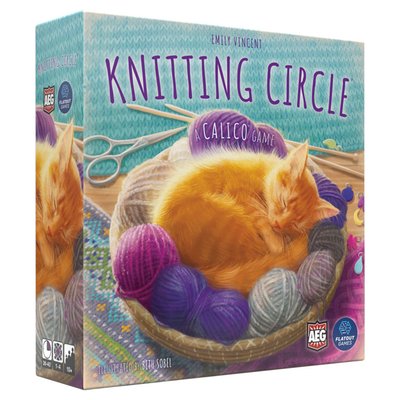
kicked he kicked my butt at Splender Duel and then I discovered it was never my fault to begin with. It was just badly designed software. Now I got cancer and I was like, "Well, I'm shaving it all off." So, uh I've always wanted a mohawk, right? Let's try that. I We funded in we funded in 9 minutes, so I'm on the floor in a closet in France, right? I think that that's generally a shortcut for someone saying, "I don't know how to sell this versus it can't be sold." Today, my guest is Emily Vincent. You might know her from Knitting Circle or her most recent self-published game, Pirate of the High TE's. Emily's company, Pink Games, also has Good Kitties and Super Chunk, on crowdfunding right this second. In this conversation, we go over all of those games, but we also go over what it's like to be a new publisher in the space, the struggles, the ups and downs, and ultimately the success that Emily is seeing right this second. This was a fascinating conversation and if you're at all interested in the plight of a small publisher, this is a really good conversation to listen into.
Without further ado, please welcome my guest Emily Vincent to the Board Game Secret Show.
So, forget games for a second, Emily.
Yeah.
I want you to introduce yourself um the way you would want a total stranger to meet you. like who is Emily Vincent?
Okay. All right. So, I'm Emily Vincent. I am uh I would say a lifelong creative. I have been a game player my whole life. I've been a dancer. I've been a singer. I've been a designer. Um and I currently live in the Boston area with my two cats and my wonderful partner. Um and I'm doing I'm doing the board game thing right now. I am publishing. I am designing. Um, and I am creating and bringing fun stuff into the world.
Like where So you you just said I'm doing the board game thing right now.
When did that ever become like an option in your head? Like go back like what was like the the the spark for you?
Yeah. So I started I started in software um and then I went to uh sort of user experience and user interface design because I really because I felt like I was bad at using software and so I was like if I learn how you make us useful software then I'll be better at using software and then I discovered it was never my fault to begin with. It was just badly designed software. Um and so so I was like I can design things that are super usable, super fun, right, to to do whatever you're trying to do. And um it wasn't until probably like 2022 when I started I mean that's when I started designing games, right? And so I think at that point it still wasn't a I could do this full-time. It was more of like this is a fun hobby, right? Because I am a I'm a person who picks up creative hobbies, right? I painted D&D minis for a while. I wrote songs for a while. I knitted for a while. I like I'm looking around my office which has like all the uh the remnants of previous
Are you a serial hobbyist that I did?
Oh, 100%. 100%. I have a I have a backsplash in my kitchen that I made that's made of pennies, like US pennies.
Yeah.
Um I I just I have all sorts of random things that I've picked up and done. Big DIY, right? And so, you know, I was looking for my next my next fun hobby in sort of 2022. And uh as a person who's played games for my entire life and as a person who goes to PAX East every year, I came back from PAX East and I was just kind of like, I don't I don't see the games that I want to play um coming out right now. Uh and I was like, I design user interfaces for software. I design software. Why couldn't I design a game, right? And so I sort of sit down with my my paper and my scissors and all my little bits and stuff and just started designing games. Um, and like any serial hobbyist, I threw myself in, right? 100% 150%. [clears throat]
Um, and it was probably about two years after that that I was like, you know what? I think I really want to try and like make a go of this full-time uh, and and see if I can make it all the things that I do. So, you you said you've been playing games your whole life. When was there ever a point where you kind of became a board game hobbyist or has it always been the case? Like, how did that happen?
I I think it's probably around that like 2004 time frame when I was introduced to Katon, right? That was for me my my gateway game to the hobby. Um, before that it had been Yeah, like many, especially of that era, right? Um, but yeah, before that it had been Monopoly and card games, uh, you know, classic card games, Spades and Hearts and and Bridge and stuff like that.
Um, I had a lot of board games growing up. My mom worked for like I think she did sales or distribution or something for like a a company that had like Discovery Toys and so I had a lot of little games. is I remember I had a uh X from outer space which was like a multiplication game uh that I think I still have kicking around cuz I loved the little um little plastic mini that was in it so much as a child. Played a lot of Clue, right? But yeah, I think I got into the hobby after college. I you know I learned Katon. Uh friend brought over Dominion at some point. we played a bunch of pandemic um and really sort of started getting into like what is you know the modern hobby of games and so that's sort of when I would when I would say I entered the hobby.
So I mean you you named kind of like all the big ones like where has your taste settled um from like a board game perspective outside of your own creations of course.
Yeah. So I love I love a couple things. So I love a cooperative game. Um, I I am a very competitive person and so I find it to be a much more pleasant night if I'm playing cooperatively with people, particularly with my partner. Uh, because like I said, very competitive. Uh, but like a really great cooperative game I am always here for. Um, I also really like sort of tile placement games and I would say I live in that. I mean, I kind of design what I like, but I I love
I do like a lot of sort of multiplayer solitire. Um uh I love that kind of stuff. I like a cozy game. However you want to define cozy, right? But I'm looking for games that are beautiful, like something that has a great table presence and components that I want to pick up and touch is really something that I'm drawn to and I want to try. Um, I I have moved away from uh sort of like intergalactic conquest and uh most high fantasy sort of stuff, although I'm here for all of the Lord of the Rings games that are happening. Um, but like I I think I I dipped my toe into heavy heavier games and into heavy Euros and I was like that's not that's not where I'm going to land. I think I I sort of go light to medium strategy. Uh but like Twilight Imperium is not for me.
Um but I will say every year at PAX East, Eric and I sit down and we play one heavy game. So we played Ark Nova one year. We played I can't remember but it's like a big game about like being a wood crafter. Um I think right
it might call Yeah, I think it's Woodcraft, right? Um we played Wondrous Creatures this past year. Yeah. So, I I don't and I don't know if that one counts as quite as heavy, but um yeah, I try to keep I like it. I keep a toe in, right? But I I don't I don't think I have quite the time to devote to like a three fourhour gaming experience on a regular basis.
That like that old adage like my eyes are larger than my stomach. Um works for board games. I I'm like surrounded with all these heavy games, but I always I fall into what's what can I get to the table. And I think that's what's really defined what I play the most. And it's with my wife Jessica, she loves like like when I see Pirates of the High TE's, I was like, "Oh my gosh, we have to try this." Because she loves that type of aesthetic. I do too. I love odd weird themes. And don't take that as a pjorative.
I don't I take it as a compliment.
Okay. Great. Right. Uh, so that like medium to lightweight game has really kind of we've settled into as the game I play the most. I still describe I think Barrage is my favorite game which is certainly a heavier Euro and I still love I'm like looking at Luier was another one that I've recently played. Galactic Cruise is another um great one. But I I wonder how many people like kind of dip their toe into those heavier games and then just go like it's just so much easier and like chill to play this like this medium space, you know?
Yeah. And I think you know I we played Galactic Cruise at PAX East. We played Distilled at PAX East. Right. And for me, that's the sort of space where I can play a big game, where I know I've dedicated this weekend to gaming. And if I'm going to cut, you know, three to five hours out of it to learn and play this game, that's great. But like, I can't I can't bring it home for my shelf. I think my shelf has Wonderland's War, which is entirely unopened. I haven't managed to play it yet because I'm like I'm like, I got it. It's big. It's great. I love the art, right? And then I'm like, oh, this is this is going to be a time investment. Well, I hear that one runs a little bit long. That has been that's been one that's kind of like been a uh
uh one in which I really really want it, but then I just keep hearing about it like it overstays its welcome a little bit and it's very expensive. So, I'm like, "Okay, um I'll find it at a convention someday." I think
I was say I have it. If we were near each other, we could go play it together, but I'm not gonna haul it to the next convention. Yeah.
Throw up my suitcase.
So, you mentioned Eric. Is Eric your partner? Yes, Eric's my partner.
What's How are the taste differences? And does Eric play a lot of games with you or are you guys like in the same um
game stratosphere?
Yeah, he does play a lot of games with me. And he is also uh I would say he's competitive in that he's very good at playing games. He's not as competitive in like I must win in the way that I am. Um, but it's great to play competitive games with him because I feel like we're fairly well matched. Um, he but he has I think maybe a better temperament uh if he loses than I do. So, uh,
are you are you better when you lose?
I we have a a set of games that we will never play again because I lost so badly in that first one and I we're just they're never they're never coming to the table again.
Let's Let's hear them. Which ones? What what do you what will you never play again?
Katon the card game is the one that's like burned into my mind. We played it once and I was like no I've never played.
It's so funny when I was like I didn't even know what the hobby was. I just heard this Katon game but I only had my wife to play with and this was years ago. So I was like, "What can I play at two players?" And Katon the card game came up and uh I started we played it one time and it never came back out. But I was like, "Whoa, I could really," she hated it. And we had no concept of what the hobby was at that at that point. But that one was like kind of like an eye openener for me. I never cited as like an early game because it was one play um and it is just like collecting dust somewhere. But I was like, "Oh my gosh, I could see the
I could see the um the possibilities of it." So, okay. So, Katon the card game. That's not really that hot of a take. Are there any like super
It's not that
popular games out there.
Yeah. That that you just hate.
No, I I mean, I think at the end of the day, I know when they go into this pile, it's not that they're a bad game, it's that I had a bad time.
Yeah.
So, like he kicked he kicked my butt at Splender Duel and I have feelings about that. I don't know if you've played that. It's got um no
a couple of special tokens. It's like a pearl or something like that and it's got some sort of take that sort of stuff. So like I spent a bunch of time working up to getting this very specific token and then he had either a card or a power or something that let him just take it from me and I just about flipped the table. I was like I'm so mad right now. And again, nothing nothing wrong with this game, right? It's a great game. Lots of people love it. I I can look at it and be like it is objectively good. Um, but I was just so mad when I when I had that token taken from me that like the rage lives on.
Does the So, okay. So, how does that translate to your designs? Do you like take that? Um, you know, Pirates of the High TE's I wouldn't say there's any take that, but there's, you know, there's space blocking and and there were definitely points in which I was like, "Oh, don't take my space." Um, like is that something you stay away from? those like unfair beats.
I do tend to stay away from Take That. I think um a friend of mine, Jason, uh says that there should always be something that's sacred um or that's untouchable, right? And so I think at some point if you spend a lot of time trying to get something in a game, the games I build, I want those to be safe, right? I don't want you to be able to spend half the game building up something just to have someone else knock it down. Um because that doesn't feel fun to me. It feels really frustrating. Um, I also I don't mind though, like, hey, you took my spot. Hey, you took the cards I wanted before I got there. Um, and I think another friend of mine, JC, has said that a sort of a what he tends to see in my games is you got a little bit screwed, right? And now you have to make do with what you have, but there's always a creative way out, right? So you can you can smash those cards together in Pirates of the High TE's to to get where you need to go, right? Or you can use a a cannon or a monkey or something like that. Um in knitting circle, you can make a plan to just make a different pattern, right?
You're like, "All right, I got to pivot, right? I got a bunch of stuff." Um so you're you're rarely lacking in stuff. Um you just might not be able to execute exactly the same plan.
Yeah. Um,
we're gonna get a little
where I think I'm going.
Yeah, we're gonna get a little further into into your designs, but before we get there, I want to understand and if you don't if you mind sharing and I think you have kind of publicly on on your blog
the mohawk and the pink hair.
The story behind this I thought was um really great and important to share.
Yeah. So, um, in 2013, I was diagnosed with breast cancer, um, which I was very young for. When you're under 40, they call it adolescent, uh, breast cancer, which is hilarious.
She kind of makes you feel a little bit good about it, right? You're like, well,
you're like, great, I'm still in my young. Um so um we did you know a full year of it was surgery, it was chemo, it was radiation um and then 10 years of hormone treatment as well um after that. So I was in treatment for like nearly 11 years um
and uh you know when I went through chemo I had I had this like long blonde hair that I'd always had. Um, and I' I'd been working in tech, but also um in some fairly conservative inventory or uh industries and and so I'd sort of had a a way that I felt I needed to present myself. Um, but you know, I got cancer and I was like, well, I'm shaving it all off. So, uh, I've always wanted a mohawk, right? Let's try that. And so, we both shaved mohawks for like the week before I started chemo. Um, and then just shaved it all off, right? Uh, but when I was growing my hair back, I was like, I really liked I I enjoyed that. That was fun. Um, and I've also always wanted to dye my hair different colors, but because I felt like even from, you know, college, right, I was interviewing for summer internships and stuff like that. I never felt like it was okay to be the person who showed up with [clears throat] purple hair or something like that, that it was going to get in the way of my career. Uh, but I kind of said,"Oh, well, screw that, right?
YOLO." Um, and so as I grew it back, I I started sort of very, you know, very subtly dying it. And then I was like, "Oh, just I just want to go a big color." So, I actually tried a bunch of different colors. We've done purple and blue and sort of a yellow and orange fire thing, but um pink was just the one that like for me felt right. And it I
feels like your natural color, right? It feels like my natural color and so it has been my natural color for over a decade at this point.
And you can't change it now because you named Pink Hawk after it, right?
I leaned into the brand, right? Um but I think, you know, on top of that, I started, you know, I started shaving the sides of my head. I dyed my hair pink and it didn't have any effect at work, right? It didn't actually set me back. And um in some ways I actually felt like I became even more successful um after I started doing that. After I just sort of let go of a bunch of things that I'd been carrying around of like this is the expectation, right? This is this is what professional looks like. This is what I don't know competent looks like. I I don't know, right? But I just sort of said, ah, forget it. I'm not going to put my energy into that. I'll put my energy into doing great stuff, right? um and fun hobbies and things like that.
Um [snorts] and uh it's been great.
So, do do you think that cancer has changed the way that you approach life and kind of like what you're you're pursuing?
I do. Um and I I you know, I don't want to sort of be like, oh, you know, changed everything, but like I do think that I one of the things I say is that I I am more impatient, right? I have a sense that I don't have time for this BS, right? Like I just I'm like
I I don't have time for that. Uh and so I choose not to engage with it, right? And I choose to just move forward and do what I want to do. Um, I think there was a lot of things that, you know, work life balance became was always important to me, but continued to sort of take a precedent of like I need to be moving my body and doing things that bring me joy. Um, and yeah, just a little bit of like I just can't I just can't be bothered to care about some of the things that I felt like were I really let take precedence and priority in my in my mind.
Um, and so yeah, I think it's mostly probably an attitude sort of thing. Um, and I don't I don't feel, you know, like a pressing urge of like, oh my gosh, life is short. I have to do it all now. Right? It's more of like a is this going to be worth my mental
time and space? And if not, I don't have time for that, right? Um
my in 2019, my mom kind of suddenly passed away. Not kind of, suddenly passed away of of lung cancer and she was way way way way too young obviously um to to kind of leave me. And that left me with a and it wasn't it wasn't this profound like you said like um I I guess it would say like a sense of urgency is was there but also a this perspective that all of the that I had been putting up with and I worked in it in for 23 years in in a you know the corporate world and and
it was just like it all of a sudden I felt like how silly everything was that I was dealing with from a day-to-day perspective and how literally and I started to say this and I was in a leadership role and and the people that work for me I think they appreciated it but it was also just like dude what's happened to David um it's like I I would say none of this matters literally none nothing that we do actually matters and certainly you could be in a in a in a company that it does matter but in reality I was at a at a retailer and it none of this stuff we actually matter and the stuff that we would be killing ourselves over nobody actually really cared about other than to like look good or move up and move on the up on the corporate ladder or whatever it might be. Like it reframed my perspective around what was important. Um and I think ultimately that led to my downfall which I'm dealing with right now. But honestly I I I don't care.
I really don't care that much. Are you still in the corporate world or are you doing full-time pinkock?
I am not. I have left the corporate world behind for now. I keep telling myself it's the sbatical, right?
Um but yeah.
Are you on a Do they think you're on a sabatical?
Oh, no, no, no, no. They they know that I have quit and I'm not coming back. Uh but you know, I I sort of have the like if I have to return to tech, right, I will figure out how to make that that happen. Um, but for right now, we're we're cruising along. Um,
is that something you wouldn't mind doing or you secretly dread in the back of your head?
I don't know if I secretly dread it. So, I I have always wanted to have my own business. Um, and just given the sort of direction my career went, um, I worked in usability, right? And so what I did was I took things that other people made and I made them better, right? I made them more accessible, more usable, but I never was the person who created the algorithm, right? Or built the new like came up with the new idea, right? I was like, "Someone come with me. Come to me with an idea. I can help you." But I didn't feel like I was the
idea person, right?
Um, but when I started making games, I realized, oh, I'm actually designing entire products here, right? and this is like I've got I've got something that's not just a service. I have an a product. Um and so so yeah, I think I I think the hardest part might be going back to like working in an organizational structure and not being not being the one running the business. Yeah.
Right. Um I miss working with people. Uh and you know I work with people here. I have co-designers and I have artists and and graphic designers. Right. But um I am the I am the sole owner of this company and so when there's a business decision to be made like I can run it by Eric and I can run it by my friends but like at the end of the day
I'm the decider. Um, so, so yeah, I think there's nothing that I've got that's sort of like, oh, I don't want to do tech, but there are some things of like large organizations have structural uh, things going on that like, man, it's I'm not sad to have left the HR department behind, right? And I'm not sad to have left the the internal politics
bureaucracy the meetings about the meetings to go have another meeting like that meme is so I don't know I don't know where you work but it was just so exhausting to me and it just got so
I don't know I just couldn't deal with it. I am I'm definitely afraid of having to go back to that world where it's like
I can't make change immediately
based upon what I think, right? Like that's that's the toughest thing is like moving forward any sort of perspectives in a corporation is so incredibly difficult and there's so many co cooks in that kitchen that has to be quite a draw for Pink and and and you being able to
to to run it on your own.
Yeah. Yeah. And I mean I think I probably it sounds like we had some similar experiences, right? Because I I was a firm believer that I could best make change from within an organization, right? To work my way up that ladder to become a person who has a seat at the table and and push for change. And I I did get myself in trouble a couple times with my sort of like yolo attitude to it and like a little bit of like
what are we talking about? Right. And I maybe I spoke truth to power. I'm not sure. Right. But it definitely uh I wasn't in quite powerful enough a seat to make the changes happen that I wanted to see. So
that is correct.
Yes, we we are we are on the same page.
Okay. So um you've now started Pink Hawk. You're the What's like the broad goal? Like if you were to say like I want to live the career of X publisher or Y designer like are there is there anyone out there where you're like that's kind of the path I would love Pink Hawk to go on or is it something totally different?
Um I think so man that's a great question. So uh let me narrow in a little bit like I don't think we're aiming to be
we're not aiming to be asthma. We're not aiming to be uh probably not aiming to be all play, right? All Play puts out a ton of games every year.
Um so looking maybe to hit into that middle
mid mid to small category. Um so like this is going to be silly because I work with them so much, but like I love the flatout uh sort of size and model, right? They're putting out three or four games a year um that come from sort of their internal development group. Um they're high quality games, right? and they have a a sort of, you know, people people know what they're doing and, you know, for the people who love it, they love it, right? Um, yeah, I think that's right now where I'm I'm aimed at, right? Uh, maybe things will change in the future, but I still want to be having a hand in a lot of the design and the development, right? Um, I'm not looking to get to where we're putting out 10 games a year. Uh, nothing wrong with putting out 10 games a year.
I just know I personally can't sort of have a a hand in that. Um I'd say another company that I like uh that I would love I mean Smirk and Dagger, right? Uh that would be a cool sort of size and uh space to be in.
Um and maybe like a like a floodgate. Um so I feel like
you want to continue to design like do you or or I maybe I'll rephrase this. Do you see yourself as a designer first or a publisher first? And will that continue to be the same as you kind of go through your career?
I think I'm always gonna I hope I'm always going to see myself as a designer first uh but also a strong second on the publisher. I am aiming with Pink Hawk to publish other people's games. And that was my next question.
We do we do have so in this upcoming Kickstarter, one of the games is a design of mine and another one is a game by a designer named Ben Jones. Um, and so we're publishing our first game that was not designed uh in-house. I did some development on the game. That's super chunk. Yep.
Um, so I did do some development on the game. Uh, but not the majority of the development. Tony Tran did that. Um, so yes, I am looking to be a publisher who publishes other people's games. Uh, I think the the personal identification is I'm also working on games that I'm signing to other companies, right? So, I do have, you know, a couple games coming out via FlatOut. I am working on some games that I'm going to pitch to some other publishers. Um, so I I don't know. I don't I don't want to have to choose. I want to be both.
So, do you think you'll continue designing games to pitch to other publishers? And I guess maybe we kind of dive into that decision. Is it because they don't fit the Pink Hawk ethos?
Okay,
that's exactly it. Right. So, Pink Hawk is trying to do whimsical strategy, right? Things where you've got these sort of fun or funny, lightweight themes that help people sort of stay light and and laughing around the table while also having some strategic crunch in there. Um, that because I just want enough that I can sink my teeth into. I think, you know, some of the games I've designed that are with Flatout now, they are they're cool and calm and pretty and right, but they don't maybe have that interesting little twist that makes it um a Pink Hawk game versus a flatout game. And uh Sean and Molly and I were just talking about that the other day of like we were working on some games together and we're like, "Oh, is you know, where does this does it fit with one of us? Does it fit with someone else?" Right? Um, but for me, I think it's going to be important that the games that come out through King Hawk really live up to the the vision of the company. And so, if I'm designing something else that doesn't fit there, great. I will I will find another publisher uh where it does fit. Um,
so if you you as a publisher are pitching to other designers to come and bring bring you their games, like what what's the DNA that they have to or they should kind of like hit on to to kind of be a prerequisite for you to be interested in, I guess. Yeah, if that's an awkward way of asking it, but
no, this is a great question and actually one that's been top of my mind because what I say when people email me is, "Are you accepting pitches?" And I say, "No, I'm not accepting pitches." Right? we we're a baby company, right? But if someone finds me at a convention and says, "What kinds of games are you interested in?" I'm able to have this conversation. And I've realized that people who come and find me and ask me a question during a convention are getting better information than the people who are just emailing me. And I was like, I got to fix that somehow. Uh because not everyone can get to a convention and not everyone has the, you know, the like, I'm going to go up and ask this person. I don't know, you know, what they're looking for. So, I'm glad we're having this conversation,
right?
Um, so all that to be said, I think there's there's two pieces of the DNA of a Pink Hawk game, and it's really it's the pink and it's the Hawk, right? And so, what is the sort of whimsical, interesting, uh, keeps it light, maybe turns it on its head sort of theme piece of the game, right? So, it's pirates and it's tea. I mean, cats are just cats are just I love cats, right? all cats, pocket dimension, blaming the dog. I think there's there's some fun things in there.
More than an hour, right? Yeah. Yeah. There's there's some fun stuff there. Um and so, so there has to be something that I and I will say at the end of the day, there has to be something that I find delightful in the theme, right? And that's a little bit hard and a little bit broad, right? And people will come up to me with themes that are probably perfectly delightful and I'll just be like, I don't know, doesn't speak to me, right? and that's unfortunately the way things are. But so yeah, what is the theme? And specifically, how does that theme inform the game design? Because I'm really big on some sort of thematic integration. Um I spent a lot of time on pirates trying to figure out how we could make it feel like a pirate game without having sort of take that stealing and stabbing and stuff like that. And you know, I think you can look at the geek.
It has some teeth. Yeah. Yeah. Some people feel it is more pirate than others, which is fine, right?
Um, but yeah, I want to see how that theme has informed the mechanics.
Um, I'd say the other then piece of it, the hawk, right, is is where are the teeth? Where is the strategy that I can sort of sink my teeth into? and maybe it gets a little bit challenging or it gets a little bit, you know, uh not up in your face, but there's there's I don't know, there needs to be enough strategy there um that I feel like it's a fun and interesting game or puzzle that um I can really spend some time with and I want to revisit. Um so for me, that's the sort of two pieces of what makes a Pink Hawk game. You mentioned theme first and I think I have a quote of you saying that you were a thematic first designer and mechanics kind of fall back in line. I basically every designer I've interviewed we've had this conversation and it seems to be 50/50 and there's been one in Danny Garcia that started with mechanics and now he starts with theme and works works backwards. um talk about the importance of from like a design perspective of how you use theme to then inform mechanics as your tools to create the game.
Yeah. So for me, theme is all about what story do I want to tell, right? And what experience do I want people to have at the table? So if I'm not delighted by a theme, I'm probably not going to be interested in engaging with the game as a designer. like not even as a player, but like what motivates me to keep on working on a game is often like the fact that I enjoy the theme. Um I also, you know, I I don't know what it is. I think I just there's very I'm not sure there's any mechanics that I'm like, "Oh, I just love that mechanic. I fall in love with the theme." And so for me, it's really what mechanics work best in service to this story, right? Um, and so I'm perfectly happy to go through as many mechanics as we can think of that'll that'll fit this theme, uh, until we find the right one. Um, and so so I really try to start from, okay, if this is the theme, then what mechanics might fit, right? Should we be trading with each other? Should we be stealing from each other? Should we be buying things? Should we be growing things?
Right? And and what does that look like? Right? there's growing growing things is probably not super random, right? And so like that sort of points me at like, you know, what types of mechanisms are going to fit, right? If there's a theme that feels like it has a lot of randomness, maybe we're talking about dice. If there's a theme that feels completely non-random, we're talking about drafts and tableaus or engines or, you know, things like that. And so,
[snorts]
um, that's where I sort of go. Um, I try to find my mechanics based on my theme.
Have you ever had like this you've been looking for a mechanic element to match up with a thematic element you really wanted to get in the game and you just couldn't figure it out?
Um, or I mean I think
Yeah, I mean there's lots of things that didn't work. Uh, I have I have been trying to design a game with dice for ages and I don't know what it is. I just don't know how to work with dice. I don't know how to use them well such that it doesn't just feel totally random.
Um, and so that one has been I I have this this game that I want to make about cakes and uh sort of how much attention you devote like can you multitask and like allocate your dice, but it just has never it just has never come together because it just ends up feeling a little too a little too random.
Well, that's what I noticed in the first two. So, I've played I've played both Good Kitties Now and Pirates of the High TE's. They aren't high luck games. They're there's there's definitely like elements that happen that are outside of your control, but for the most part, they're I would call them high agency games. Like, you're the likely the most skilled person is going to um win. Or I mean, in the co-op's perspective, like, you know, skill is what's going to really determine what happens. other than like the dog being able to get the jumping ability. I wonder if that's going to uh
you know that that coming out early changing the complexion of the game. Um so is that may maybe it's just like are you not comfortable with giving people luck because there are some designers that just like
hey you know it's it is a random uh roll of dice and it is what it is. Uh but I guess you could add a bunch of mitigation but
yeah I don't I don't know what it is. Um, I think because I know that there are games that I enjoy that have high randomness that involve dice, right? Um, there's a I think it might just be called Casino. I'm not sure. Uh, I played it earlier this year and it's a it's much older game, right? But you're rolling dice and you're then choosing where to which dice to allocate and and you know, trying to sort of outplay each other and it it's it's great. It's a wonderful game. And I'm like, I have no idea how they how they got there. Right.
Right.
Um and and I also think there's some amount of, you know, like I said, I'm I'm maybe sometimes a bad sport when I lose. And so if I feel like if I uh if the dice are against me, right, I'm not sure that that's the most enjoyable experience for me.
Yeah. I I will say like there's like this really fine balance, you know, there's I play a lot of like high skill games, perfect information, that type of stuff, but they lack a certain amount of excitement, like those those moments that are just like, oh gosh, I hit it or not. But it also that also lends to bad feelings, too. So, it's like one of those trade-offs. Do you want your player to have like this even keeled experience or do you want to have the have them have these ups and downs and they might rate your game a 10 if they got lucky or a two if they didn't?
Yeah. Well, so that's actually one of the things that I really love about um Super Chunk this game.
Clearly I love it enough to sign it. Um but the the big ups and downs come from a really direct interaction with the other players. So it's one of these, you know, I have cards one through three in my hand. you have cards one through three in your hand and if we play the same number to like the same bowl then we've bonked heads and like both of us remember that.
Oh no. Right. And so so the the those big moments come from like you me looking at you and being like what number do I think you're going to play? Where do I think you're going to play it? Right. And and but you still get those really big highs but it's all entirely it's not luck, right? It's a little bit of like it's a little bit of luck, right? But it's a little bit of like how well did I predict where they're what they're going to do. But it's also got that you know princess bride I know that you know that I know. So if you know that I know then you know
um that sort of thing. Um so that was sort of eye opening to me of like okay you can get those kind of really big fun the whole table goes moments uh but without just total randomness. Right. So, of everything that you've prototyped, what was the biggest failure that taught you or the the failure that taught you the most?
Oh, man. I'm looking over here. This is like my wall of uh
my wall of things that Yeah. that didn't that didn't work out.
Not yet.
Not yet. I mean, there are a couple that I'm I'm planning to come back to. Um I think, man, what taught me the most? That's a great question. Well, the the one with dice taught me that I didn't know what the heck I was doing with dice. Um, and to maybe just uh put those away.
But are you gonna keep trying on the dice?
I am. I'm doing a lot more work with co-designers now. So, I keep when I work with a new co-designer, I'm like, are you interested in dice? And so far, no one's bit. Uh, but we'll get there. We'll get there. Um, I would say it's actually an early version of Pirates that taught me the most. So, Pirates is one that I feel like, you know, it's like one of my first it's my first five designs because it's been through so many different so many different uh iterations. Uh but very early on you could uh you'd like you were getting ingredients and like trying to make a recipe and then you'd pull a random a random card off of that deck and I had them, you know, they could be plus 10 points or they could be like minus seven, right? And I thought that that was a really fun like oo what am I gonna get, right? I just I did the thing.
Let's see what I got. Um and and it was in my mind it was reminding me of um if we played Zelda um not Tears of the Kingdom, the the Breath of the Wild.
Breath of the Wild. uh Breath of the Wild where there's the cooking system in there and you'll throw a bunch of stuff in the pot and it like sings a little song at you and then it comes back and sometimes you got to great things and sometimes it's like inedible mess. Yeah. Right. And
and I have always really enjoyed that moment of like, oh, it's an inedible mess. Ah, whoops. Haha. Um, and so I basically was trying to recreate that moment in a game and like someone that I respect a lot was playing the game was like, "So that was a really big feel bad moment for me."
Yeah.
And I was like, "Oh,
it's like what are the stakes?" Like the edible Yeah. Right. Like the inedible mess isn't that big of a deal on Breath of the Wild, but negative seven points compared to plus 10. That's pretty big swing.
And and I just spent, you know, four rounds collecting all the ingredients to build that and I got a big negative seven. And so just sort of like starting to learn that, you know, okay, randomness has different feelings, right? And and how much effort you put into it and and how big the swing is and the context, right? All of these things matter. And so I think it sort of got me to step back a little bit bigger picture instead of designing for the the moments, right? designing the whole arc of the game, the whole experience, um, is probably part of it. It's
got to be hard to do like because I I don't know. I've thought of I've thought and and kind of mess with designs, never getting anything actually to a working prototype, but it's like always my mind goes to those moments like I want the the it's like the fine details that are like the the hooks, but then trying to kind of bring it all together. Um and and and you know look at it from like the 30,000 foot uh perspective is got to be um also humbling, right? Because you're like, "Oh, I had all these great little ideas and it's like, oh, they just don't really work together. That's got to be tough."
Yeah, it's it's I think I think early on in game design is one of the most I just learned so much in such a quick amount of time. But like that same play test, you know, we started playing the game, we played a couple rounds and uh one of the players uh cut it short and was like, I think I've seen enough to give feedback and I was like, but like and now and now that is a line that I have in my arsenal that I can deploy when needed, right? And it wasn't any sort of like, oh, your game is terrible. I don't want to play. It was like they they'd legitimately seen enough to give feedback and I was early enough in my journey that they had some really useful poignant things to say to me that could like change my entire view um that were high level, right? It wasn't in like this card is overpowered, right? It was like
let's talk about the entire arc of your game. Let's talk about how how that one big swing felt, right? Those kinds of things. Those have to hurt also like the you know the one card thing is like oh I messed up one card but it's like if somebody thinks the entire arc of the game or or you know big picture there's something broken in there that has to be tough because presumably at that point you'd already put tens if not hundreds of hours into a design.
Yes. And I will say I I play test with wonderful folks, right? So I started play testing with the Boston Game Makers Guild and they're all fabulous and kind and you know things like that. Um, but it still hurts to hear
feedback like that. Um, I will say I think I had a leg up coming in from software and then um, design because I'd spent 20 plus years getting critiquing other people's stuff, right?
Yeah, 100%. Right. uh we all you know but like I think I hope my feedback has gotten better more useful but also uh you know kind and thoughtful but I I came out of a a software sort of mindset where like it was not uncommon it was not common but it was not uncommon for someone to sit down and be like this just sucks like your code is bad right um and and I find that in design and now in game design that people are a lot more it's more critique and it's more thoughtful and It's more there's less people trying there are some people trying to say black and white it's good versus bad but a lot more who are saying here's how I felt
right when when this happened when I played it here's what I thought here's how I felt and then
I can take that and do with it what I will and they won't say
some will they won't say what I felt was bad or was wrong uh they'll just say this is what this is what happened right and as the designer I get to take that and use it to to shape the direction I want to go.
How do you parse out like I don't know feedback from somebody that isn't meant to love your game versus,
you know, actual feedback? Because, you know, your games aren't going to be for everyone for sure.
And you're going to definitely get feedback that might cross your wires a little bit and and like how do you keep your north star and not trying to appease everyone with every piece of feedback?
Yeah. And so this is where there's there's some stuff that's just sort of tacit because I have spent so long in a design field getting user feedback. Um but [snorts] getting the context on the person of you know hey what what types of games do you like right and um that helps so that I can sort of place some of this right why did you sit down to this game right um can help the other thing you know every piece of feedback that I receive is one person's experience and so I can kind of catalog right and so if one person says
this really didn't suit like I really didn't like this the thing the way it felt that was bad, right? And I can sort of go, okay, that's one person, right? And if I hear it again, I'm like, okay, maybe I should pay attention, right? And I'll look and see, were there similarities between those people, right? But it's a little bit of like when I play test enough, right? One time could be a fluke. More than once, you start to pay attention. If it's every time, you're like, "Oh, this is a real this is a real thing." that that is either a problem in the game or a problem in the promise that the game is making to the player, right? And so if someone is sitting down expecting one of my games to be something that it's not, they're going to be disappointed or they're going to be surprised or they're going to right, they're not going to have the experience they thought they would, right? And so sometimes it's not a problem of the game, but it's a problem of the messaging, right? Um, and so like with pirates, I have definitely had people be like, I am disappointed. I want to steal something from somebody, right? They're like, you said pirates.
The promise was
I was like the monkey to steal from my wife.
Yeah. Just random cards steal.
Yep.
I had for a long time. For a long time, I had swords that would let you actually fight your way back to the front of the line at the top there, right? Right. So you could be like I went last
mini expansion for the second print run campaign. Maybe
maybe the maybe the take that version right is what
yeah that would be too hard. I don't know how balanced it would be but okay. Anyways
it's it's not super balanced. And I think then for the people who the promise of the game is it's not take that. Right. Then suddenly that promise of the game is is uh no longer bet. Right. Right.
So um I don't know. I actually I had a good conversation with another publisher about this because I was talking about it. I was like, "Yeah, and maybe then I I released the Take That expansion and they're like, "Does that sort of go against the entirety of the game and all the people who love it because it doesn't have Take That might sit down and then the people they're playing with are like, "Oh, no." And then I steal all your tea. Right.
Um and so, so I got I got to mle that one over. Um
yeah,
but yes.
Uh Chris Couch Games, the Santa, what is it called? Holiday Hills, they have a naughty mode and a nice mode. Um, and I much prefer the naughty mode, but it's a it's crunchier decisions, but it definitely is not for not for everyone for sure. I think I think
well a nice mode version probably has more universal appeal and I think I think take that as more polarizing and so it just kind of just depends on [clears throat] do you want to
I guess appeal to a broader audience or not. But I do like the idea of like a a sword mini expansion or something like that. You don't have to play with it all the time and if it feels unbalanced, whatever. Um yeah, you know, I I think I think balance is is a
is given too much credit. I I think at the end of the day, like a a perfectly balanced game is a is a boring game. Like you need you need to find those
it's fun as a player to go find those avenues where you feel like you might have broken the game or you feel like you might have like gotten one up on on your um your opponent. That's what's fun that like that that power fantasy or whatever it might be. Yeah. Well, I think the trick there
that I I think was articulated really well by the folks at FlatOut to me is is it's the multiple paths to victory that let you sort of have a balanced game that also feels not unbalanced, right? But like if we're playing Calico, you can go all in on the the goals in the middle and I can be like, I'm just doing buttons, right? I'm over here playing button game,
right? And that can make me feel like, oh, I've got one up on you because you don't know what I'm over here trying to do, right? I am not even playing the same game you're playing, right? Uh but we can still be competitive because the different paths are balanced with each other, right?
Yeah.
Um
so if money, licensing, manufacturing was no no object, this is fantasy world, what's the game that you would love to publish? like a a game that is not yet designed that I would love to
Well, maybe something that's like it would never work or um you know wouldn't necessarily have the mass appeal. Is there anything that's sitting out there that it's like you know you personally might really love it but it's just not you know not going to make it across the finish line or maybe it will someday. Who knows?
Yeah. So there's there's two games and I I I'll hold these lightly because I think they they could exist, right? So, one is I I do imagine Good Kitty's the campaign legacy version, right? I want I want the cats to do a full campaign that ties into each other and then I want the cats to move to the White House, right? And we do it again, but on a global scale, right? And so,
super cool.
Um, yeah. So, there's there's that. I think that's going to be a long time in the making and we'll see how you know Good Kitties is received uh before we invest in that entire um thing. But I think that you know I've heard Jamie Stegmire or I've read Jamie Stegmire talking about working on Vantage in that way
uh of like it's been a years decades long project right and to me that feels like to really nail that would take a long time. Um, the other game that it's just stuck in my head and I just don't know if there's an audience for it. Um, is part of my problem. Um, but are you familiar with the sport of ultramarathoning?
Oh, yeah. 100%.
Okay. So, I want to make a game about ultramarathons and part of this Eric runs ultramarathons. So, I'm sort of like
Okay, cool.
living that vicarious life.
Um, so we went to um Wow, I'm not going to have any of the names. So, he's been trying to get into western states. He's done eastern states.
Um, we went to the one in Switzerland, UTMB.
UTMB. Oh, he ran.
He ran it last year. He did not actually finish. Um, so we're working on getting back there,
right?
Um, he just he just did Rothrock or he's about to do Roth Rock. I don't know. We're doing something here in September.
Um, but he started with the Midstate Massive, which is like it takes you through four states in New England. It's a 100 mileer. So, he's done a handful of 100 mileers. He's done some 100ks. He's done some uh 50ks, 60ks, something like that. Uh 50 mileers, that's what it is.
Um
so, is Western States his dream race?
I think I think that and it's a lot of people's
both of those. Yeah. Yeah. Yeah.
UTMB is
way more beautiful. Like that's got to have been awesome.
Gorgeous. Um, but also
a real butt kicker. And they were, it was pouring rain for like the first 8 to 10 hours of the race.
Uh, which is this just like slog up a sort of up a hill and you and because everyone's packed together in the
race up mountains.
Well, the first part is not is not quite as mountainous, but they they call it the conga line because everyone is coming off the start line all together and so then you're just stuck, right? And it's not getting drenched and and then you also have the promise of mountains in your future as well.
Yes.
Where that rain turns to snow at the top and
all that fun stuff.
So, you want to Okay, so it's interesting you say that. I think Zach from IB Studios, I believe I heard he wanted to also design an ultramarathon game. I don't know if he's in the middle of it. I may be totally like misremembering that, but what's your concept?
Um, so I want it to be a a heavier game and I think the the pieces of it that I'm really drawn to is I want you to be able to sort of like essentially set up your training, right? And so my idea is that you've got a couple races you're trying to do. And maybe this is you play over a couple different seasons where you're getting up to a a race.
Um, and so you get have to sort of build your tableau of what does your training look like? And you you can train your body, you can train your mental state. So are you familiar with the pain cave?
Um,
yeah. So the pain cave where you can just sort of like my idea is that's an actual space on the board where you can funnel like during a race you can funnel injuries or despair or stuff into your pain cave. So like it may benefit to build up the size of your pain cave versus like build up the strength in your legs or your fueling plan or something like that. Right? So it it feels very engine or tableau or something to me. Uh but that you're you're essentially you're training for the season and then in my mind it kind of goes into a bag like I think it's a bag builder. Um and out as you run the race
you don't know what's going to happen on that race. Are you going to bomb or
that day right? And so maybe you pull some despair but you can shove it into your pain cave and you pull like a really big you know
uh this uphill part. you manage to pull enough like uphill strength or you put you deplete yourself, but essentially you sort of run a race by pulling from your bag.
I think you need to be able to pull personal demons and actually f uh uh fuel yourself off of them. They're a positive, right? May if you pull too many maybe, you know, you go nuts on the and start start to hallucinate uh worse.
Yes. You see the
Yeah. He at one point he messaged me of something like he saw a shed that had the word dynamite written on it in the middle of the night in a race and we're like I'm still not sure if that shed was real or not, right?
Probably not. But definitely not.
But but at one of these races, sorry, side tangent, one of these races uh in the overnight stretches, they have people who will go and they like like one of them they put a bunch of like stuffed animals on the trail. So you're like running through the woods in the middle of the night with just
Are they doing that on purpose? I mean these all these people are tripping. Yeah, I think it's part of the like fun of it and so you're like,
yeah,
what
until you're tripping on the trail and you see that that's
maybe I made that story up entirely, but there's definitely like lots of like fun stuff and then you arrive at the aid station and it's like a party and there's, you [clears throat] know, big balloons.
Does he have any uh any um intent or does he want to run Barkley marathons by any chance? We have talked about that. Um, and I think I think I think with any ultramarathon runner, there's probably a deep down like I want to do that. I think what he said is he needs to work on his orientering and, you know, map reading and compass skills and stuff like that because that one's about much more than just the
Yeah, it's really it's the
a running race. I mean, yeah, you some people will run, but it's just you're just trying to survive. Uh, one of the best like just documentaries I've ever seen was the um
it was the Barkley Marathons where Oh, Gary, oh, I forget the his last name, but he was like he missed finishing and and if you all don't know what the Barkley Marathons are, there's a bunch of cool uh documentaries on it, but it's like this you there's no real way to like know how to actually apply uh to the race. I mean, I guess you can figure it out, but there's no like there's a really weird application. The guy that runs it is a very odd guy. Um, and anyways, so this this guy gets so close to um to finishing, but he comes from like the wrong direction or something like that at the very end. It's one of the most dramatic like endings and just like sad parts because
very few finish this race. In fact, there's many years where nobody finishes the race, especially if it's a bad weather year. So, um, you know, there's there's only a handful of people who have ever finished it. And in this documentary, this guy works so incredibly hard and just comes up short and you are just like tripping like hallucinating out there and you're you're going through um I was it called rat jaw or something where you're basically going through brambles and getting all all completely cut up. So, it's a it's a fascinating um little side
culture that that exists out there in the world that is just like even if you don't care anything about like ultramarathons or running or whatever, it's just it's crazy to see what people will do to themselves for
really nothing.
Yeah. Just to prove it to themselves.
Personal accomplishment, right? Yeah.
Yeah.
So,
yeah. And I think nothing will really capture some of the emotion that I feel around ultramarathon. So like if you've ever watched
Golden Hour of Western States, which is the last hour of this 100 mile race and it's all the people who are just trying to get there. It's their last chance to finish it. And you know they're coming, they're hobbling across the line, right? And um yeah, it's just I we'll just watch it every year and I just like sobb as they like tell these people's story. Right. Right. Um and they've been out there running for 30 or 40 hours, whatever it is, uh for the cutoff for Western States. It's um yeah, it's something.
One of the the the most u vaunted runners to have ever run Western States and run many times. Jim Jim Wamsley was interviewing and he said he had the most respect for the people in Golden Hour because they were out there so much longer than he he did. He just ran fast through it. He was in he was in and out like, you know, done very
14 hours, right? less than a day.
He's like, "I have the most respect for the slow people that are out there. They are really putting are put through it." Uh, which I always thought was like an interesting perspective like because you like want to, you know, um, celebrate the people that are the fastest, but in the Ultramarathon like the people that have the most grit might be the people in the back of the pack.
Yeah. Yeah. And so this is the thing that coming back to a game around this, right? Like I think there's an expectation that a game about running a race would be a race game, right? And I'm like I'm not quite sure what the win condition is, but I don't think it's about finishing it fastest because
Yeah, cuz the vast majority of people are not in the elites, right? They're not there to place, right? They are there to accomplish this incredibly challenging
thing that is like personal achievement. How do you capture that in a design? I mean, it could be some sort of personal goal,
right? That that has nothing is asymmetric to everybody else, you know, made up of your personal demons that you're defeating out there.
Yeah. So, I just Yeah. I think it could be cool. You know, there's lots of
Yeah. Yeah, there's lots of conventional wisdom that gamers don't like games about sports, right? This is also a fairly niche sport and maybe what I'm try what I'm trying to capture about it is not translate as well to someone who's not sort of experienced it or been next to someone experiencing it. So, I don't know. I just I think there's such I think it's such a wonderful community and a wonderful sport and and I've got this very specific idea for a game for it. Uh, but man, it's also a little bit heavier than most of what I design and so it's just going to take me a lot longer.
Probably not a Pink Hawk game, I'm guessing.
Probably not, right? Unless we open our sports side, which I am a big I am a big sports fan, right? So, uh, we could just have a sports imprint. I don't know.
Well, you know, I think a lot of people they they'll start a second um publisher to be able to kind of like be on brand.
Um, okay. Well, I think that would be pretty cool. That's a great answer. Uh I and I love the idea of the person finishing first is not the necessarily the winner and there's so much source material to like to to have like these inside nods to the sport. I don't know how many people would care about Ultra would get would get a lot of it. That's the tricky part, right?
Uh so
it's a little bit of a love letter, right?
Yes. Um, so now I want to I want to pivot off of our little side quest there to uh we talked a little bit about Pirates of the High TE's, but I'm interested in getting your your perspective on that campaign. You
and take us back to like when it started. You had a a goal of 9,800 bucks. I think did I think over 270,000.
Yep.
What was it like? Like what did it feel like at that moment when you knew this thing was a significantly more successful than maybe you had imagined or hoped or maybe you you expected it? Let me know.
Yeah, I mean the whole thing was like kind of surreal. So, it was mixed up in feelings of I had I had been planning to launch in fall of 24
and I realized sometime that summer that I just wasn't far enough along, right? I didn't have enough art assets. I didn't have a cover for the the game and I wasn't going to be able to get a content creator copy out in order to go in the fall. And so
the the interesting thing about crowdfunding is, you know, again, conventional wisdom says you don't want to be crowdfunding in sort of December or January. Um but December because everyone's spending their money on Christmas. Yeah.
Right. And if they can't get it this Christmas, why would they spend their money on it? And then theoretically January because people are paying off their bills from Christmas, right? Um, but so it has this thing of like if you can't start, at least how it felt to me is if I couldn't start crowdfunding by the beginning of November, I was going to have to push to, you know, February, March, right? And so it's got this like you slip by a day, which means you slip by three months. Um, and so I had a lot of feelings about that, which
I had set that deadline for myself. It's not like it's not like I couldn't move it, but it felt like failing.
Um, but I decided to push. Um, which was 100% the right decision. Like best decision I've made. Um, and spent a bunch of time, getting the game done, uh, getting the art done. Um, and even then it took us a year to, uh, deliver because there was some final things that, you know, as a first-time publisher, I had to learn. Um, so, so yeah. Going into it, I'd done a bunch of advertising and so it was a little scary because I had put a lot of money into online advertising, right? This wasn't like, you know, I threw a hundred bucks at it and called it good, right? There was a this was an investment in my company.
Um, and so there was a little bit of like expectation that it was going to go well because based on the numbers, there's usually some equations of like these are how many leads I have. have this how many emails I should expect this kind of conversion. So like my numbers were actually saying that the campaign was going to do you know in this range right maybe 200k. Um, and so, so then there's the expectation of like I know I said 9,800, but like if I don't cross 100K, like will I be crushed, right? And so it's all these other sort of like
uh, you know, there's there's what I need, right? And I was like, I'm pretty confident I'll get what I need, right? But then there's what I wanted to get to really launch the company, right? to make the game big enough that it caught attention and could help me, you know, help me get into to retail stores, you know, things like that. So, the whole thing is just a bundle of like I think it's going to do well, but what if it doesn't, right? I think it's going to be I think it's going to be fine. The numbers say it should be fine, but like catastrophe could strike. And also just the like last minute not sleeping, getting trying to get the page updated, trying to get all the the stuff that comes in from content creators like right before the campaign launches, you're getting links and you're trying to like put them in and stuff like that.
Yeah.
Um and then I I don't know if everyone knows this, but on the day that it launches, you have to go in and hit launch, right? You you can't you can't tell Kickstarter. I did. I did. Um, but but I think a lot of people think you could just be like, "Hey, we're going to launch at 10 a.m. on Tuesday and it'll just go." No, you have to go in, you have to hit the button, and then you have to hit the yes, I really mean it button.
Um, and so yeah, just sitting there and just sort of staring at it for, you know, the hour. Um, and it was it was
Was your heart beating fast when you when you clicked the button?
So fast.
Were you so nervous?
So fast.
Yeah. And well, like I have a friend who um was launching just recently, like this past Tuesday, and at, you know, 10:02, he sends like a high alert message to our Discord of like he's getting an error from Kickstarter. And so we then spent the next like five minutes trying to help him track down what it was and so that he could actually launch.
And there's no number to call Kickstarter at all. I I actually just saw, you know, everyone's like,
it's like, what do you do? Yeah, everyone's like, "Who's in your rolodex?" Right? Who do you know at Kickstarter that we can message
to be like, "Help." Uh, and so we we we got him back on track. Uh, he was up and rolling, I think, by like 10:06. But you know that that's sort of like the nightmare of like something goes wrong right as you're trying to launch and you've just spent all of this time and money getting everyone here eyeballs eyeballs on the page for 10 o'clock on Tuesday and it and it doesn't it doesn't go right. Um so so yeah there was some of it I would say was more relief than like excitement. It was more like, [sighs] okay, those investments are are paying off. It's working, right? It's it's doing
it's doing the thing, right? I can't be disappointed in it. I'm not disappointed in it, right? Um uh but like yeah, it was weird because rather than being like, oo, how's it going to do? I had I had sort of this like expectation based on how much I'd invested like, right,
I think this is and and will it meet that? And and it did meet that and it exceeded that. No, that was wonderful. Um, I think by that time I was also like so tired and so sort of like shell shocked that like most of my impressions of that day are just like it happened. I feel like I should feel feelings but right now I'm just feeling I feel numb.
Well, so out of the [clears throat] gates in that first day, was it meeting expectations for you? Okay. So So you knew I'm exceeding
it was it was going to be successful.
Yeah.
On the rip. I we funded in we funded in nine minutes and um I think we had close to 80k by the end of the first day. So like it was you know that was well exceeded what I needed to do to to fund the project. Uh but but those kind of big raises, right? So Kickstarter is such a platform, you know, obviously it's crowdfunding. We're raising money to do the project, but at this point it's also a marketing platform, right? And this is how we get attention in such a a crowded industry, right, of you know, I'm a brand new creator with their first game and I could have gone with the make a small game that has 50 cards, right, and just get experience. And instead I was like, I'm gonna try and make a splash. Let's go.
I think that's what you have to do though.
Right.
Yeah. Well, yeah. Was this your biggest personal risk of all time? Or is just like I'm betting on myself and just going after it?
Exactly.
Yeah.
Yep. Yeah. I mean, I started a company, right? I invested my own time and my own money in starting this company, creating this product, getting, you know, paying all the upfront art and samples and, you know, all of that, right? It's not I not you not everyone has to get into it the way I did, right? There are a million different paths industry and they're all different based on who you are and what you want to do, right? But for the path that I chose, there was a ton of upfront risk and and this was really the moment, right, where I was going to find out if that risk paid off.
And that's unique. When you start a company, it's usually there's not a watershed moment like that where it's like, right, I mean, that was a make or break for you. like 100% if that moment out of the gate, especially with Kickstarter because if it doesn't work well out of the gates, it's dead in the water. Maybe you could pull it down and bring it back at another time. Those usually don't work. Sometimes they do, but that was clearly your like if this doesn't work, your kind of like hopes and dreams around this was at least set back significantly.
Yeah, that was the uh you know, I gave myself a year from when I left. I was like, I'm taking a year sbatical.
We'll see how this goes. And I think if the Kickstarter had done just okay, right, I would have had to be like, all right, I need to make a different plan of how do I how do I do this publishing company part-time
as opposed to full-time. Um, and the Kickstarter doing so well was what enabled me to say, okay, I can give this another I can give this another year or another year and a half or another two years or whatever it, you know, um, that we're going on right now. So, um, yeah, it was, yeah, it was the moment where I could where I would know.
So, after the campaign ends, that's when the real the real work actually starts, right? Was there ever a moment where like imposttor syndrome started to kick in and you're like, "Oh gosh, I have I have this responsibility of $270,000 that people have given me and I actually have to now go and produce a product that's a year away."
Yeah. And I mean I think I there was also a little bit of like maybe I'll say hubris. Um
so you know I I said this project will take a year to deliver. And in my head I was like I'm going to get it done in six months. We're going to be I'm going to be so early on that delivery.
Under promise overd deliver. Yeah.
Gonna nail it. And as the time ticked by where I was like
oh the graphic design isn't quite as done as I thought it was. Right. like it's that last 10% that takes, you know, the same amount of time as the first 90%. Um, and so there were just a ton of really uncomfortable lessons to learn there about how done is done actually,
right? Um, and also just realities of the time it takes to get samples from a factory in China and the fact that people are traveling and people are there are holidays and there are conventions, right? you know, it's it's harder to get some attention sometimes while Gen Con while everyone's getting their production runs for Gen Con because those need to take priority because they need to be delivered by Gen Con, right? Um, and so, you know, I was like, "Yeah, we'll deliver our files in, you know, June or whatever." And we did, but then there were some changes. And I think the the sort of pinnacle of this was I was at UTMB with Eric. I'm in a a hotel in France in this like it's like an old rustic looking lodge and I realized that I had changed one of the shapes of the the pirate maples. Uh so there's like a there's a pirate that is like standing with a sword like kind of like a cane. Uh but he used to have his sword upwards and then he'd tip over uh direction of the sword. Um and so then he'd just end up on his hat the whole time. And so I changed the the shape of this mele.
And what I suddenly realized was that that mele was in it's on the player mats. It's on the rule book. It's in it's filtered. It's on the back cover, right? It's filtered through the entire game. And I had not actually updated any of the assets that had that. And so he's trying to sleep before this race, which means he's going to bed early. And I'm like, I have to go through half of my files and fix this stupid mele and then reexport and then upload in this hotel in France that has terrible Wi-Fi, right?
Uh because it's like an old log wood cabin wall, whatever. And so the only place I could get good Wi-Fi was right next to the door to the hallway sitting in the closet because there was nothing there. So, I'm on the floor in a closet in France, right, updating meeples and then like very slowly uploading them to the the server for the printer. And I was like, this is the
And is it this is ludicrous?
Like, if you don't hit particular deadlines, it could set projects back significantly, right, in these files going back and forth. And
yeah, I mean, there's just a you want to make sure you don't have any mistakes before it goes into mass production. And so there was a bunch of like download these huge files and then pour over them with a fine tooth comb.
Um and but then the the deadline is just, you know, time is ticking away and I wanted to get the games out. I wanted to get the games shipped
in by March because that's when I said I was going to do it. Uh but also that then would set me up for selling to retailers at Gamma Expo and being able to bring the game to Origins and Gen Con and stuff like that. And there's this big gap of Chinese New Year that happens sort of usually in the January, February, March time frame. I think it shifts around a little bit.
Um where like everyone in China goes on vacation and everything shuts down. So there's these big rushes right before Chinese New Year in order to get everything out. And so I just I wanted my stuff gone well before that so that I didn't get caught in that, didn't get caught in the increased shipping. And so, but you know, there's also then prior to that, there's people away for Christmas and you know, it's just there's always there's always things that will delay. So, it's just like get it out of my hands as soon as possible.
So, is there something that you're about to you know, launch your second campaign? Is there something that you're never going to do again or you've learned that is it is making its way into this next campaign from a a process perspective?
Yeah. So what I am really trying to do is really actually having those files done before the campaign launches. And we are there on Super Chunk. We are not yet there on GoodKitties. Uh but I am trying to do that entire proof process before the campaign ends. Um so that we really can hit print sort of right after. Um we'll see if I can manage to pull it off. Uh, it will, like I said, Super Chalk is done. Uh, but Good Kitties is is not there yet, but I've got a couple months. That's still plenty of time.
That evaporates so quickly.
I know. And now I have to actually like make the Kickstarter page and things like that. So, it's um and go to Gen Con.
Uh, so, but uh yeah, I'm just much further along in the process of the final product than I was. like the game design was done for Pirates, but all of the assets weren't. And I think we're in just much better shape. I've sort of pulled that that back. Um, so yeah, that's my big thing that I would not would not do again is sort of say and then I'll finish the files afterwards. Uh, because that just took a lot longer than I
What are your goals for Good Kitties in this in this campaign? Like you had mentioned you wanting wanting to deliver after six months on the first campaign. Is there anything that you're looking to accomplish?
I mean, I think right now, and you know, I'll I'll say this for forever on the air, even though I won't put it in writing on the campaign, right? I I really am hoping that we can cut the timeline down on this one and have this game, you know, to the backers in time that then we could debut it at Gen Con next year.
Um, that might not happen, right? That's the dream. It might it might have to be a PAX unplugged uh release, but really that is sort of the the piece I'm hoping to I'm just really hoping to be able to shorten the timeline by doing a bunch of this file work um ahead of time. Uh so that's that's the dream.
Uh give us a quick I mean by the time this is published there's already a playthrough that we did, but just for for the record, give us a pitch of Good Kitties uh really quickly.
Yeah. Yeah. So, Good Kitties is a cooperative strategy game where you are house cats uh trying to rule the house while your humans are asleep. Uh so, every night you get to perform a different mission. We have a bunch of different mission boxes in the game where you're taking over the water faucets or uh becoming internet famous or building pocket dimensions to hide in, right, as cats do. Uh so, you're going to get to play actions that make you feel like a cat. You move around the board and pick up supplies and work together to build your little kind of crazy contraptions. Uh, all while catching mice who are trying to win the game themselves by taking all your supplies and also making the humans believe you're good kitties by framing the dog for anything bad that you did.
And are we framing the dog every scenario?
Yeah, basically. Yeah.
Um,
I don't think you need to I think we had this discussion. I don't think you need to feel bad about it. Some people have bad dogs and would be would appreciate to do that.
Well, so the thing that the thing that is up for debate right now is how the pocket dimension mission ends because that's actually the last mission.
Um, and I what I really want to do or what I have been doing is you have to get the dog into the pocket dimension, but I don't want people to think you like killed the dog, right? It's more like you hid the dog and then the dog can come back out later. It would be cool if you had some sort of like cliffhanger that leads you into your ambition of a legacy or campaign game somehow. Yeah.
Like some, you know, to be continued or something like that because then then you you have the hopes that the dog might still be alive. Maybe you have to rescue the dog. Who knows?
Uh in in the in the next one
or maybe the next one we're playing in the pocket dimension and the dog has wrecked havoc inside our pocket dimension. So, well, I mean, that's kind of like what the Marvel thing did is like they made everything multi-dimensional. So, then you could basically have anything happen. So, if you put everyone in the pocket dimension, I mean, everything, you know, there's no thematic, you know, um, no nothing that's off off limits from a thematic perspective than if you live in a pocket dimension work.
Yeah.
Yeah. Yeah.
For those who don't have cats, the the pocket dimension joke is like cats will like disappear in your house and you're like, where are you, cat? like we're trying to hang out and they're nowhere. You search everywhere and I've had these moments where I'm like they must have gotten out, right? They must like they must like just not be here or they're like trapped in a crawl space or something like that and then you turn around and they're just standing in front of you.
I ran around my neighborhood. Where were you? Where are you? Like looking for my cats and they're just like standing at the door looking at me like what?
What on earth?
Like you're crazy.
Yeah. Our boycat yesterday it did the same thing where was like where the heck is he? And it's like all of a sudden they find this pocket dimension like you know they get into these little quirky habits. Then all of a sudden at night he's just gone. And where is he? We'd have no idea. We yell for him. He's hiding somewhere. He's probably under a bed but when we look he's not there. Who knows?
Yeah. Who [clears throat] knows, right?
Yeah.
Uh and so and this is this is co-op. You talked a little bit about co-op. Why make co-op your second game here? Um, well, so the reason I did Pirates first was it's a little bit smaller than Good Kitties and I wanted to and I think, you know, when I when I thought about what game did I want to launch the company with, I looked across and I felt like Pirates did the best job of sort of encapsulating that whimsical strategy um, while also being perhaps a slightly more manageable project um, than Good Kitties. and working the production on Good Kitties. I'm really glad I did something before it because there's a lot a lot more pieces and a lot more choices that I can make about how those how these components might come together. Um, and so but co-op because I mean this is Good Kitties is the first game I started to design. It's the it's the game when I sat down and was like, what game do I want to see in the world?
I was like, I want to play as my bad cats and I want to play with Eric, right? um because we're going to play our bad cats together. And so I like I said, I love a co-op game. Um and I would love to I'd love to continue to grow my skills in designing co-op games uh because I just think they're a ton of fun
uh when played with the right group of people.
If you could formula on a co-op game, it really is so good. And I don't think I think a lot of people or at least I'll speak for myself for a while. I was like I just co-op games I just play solo. But then when my wife and I had a couple of really great co-op experiences like, "Oh, this can be done really really well." And I think after playing uh one time with Good Kitties, I think I think you're going to to get there for sure.
Thanks. Yeah. I mean, I you know, I'm a big fan of like most things Matt Lecock does, right? I also really love Burgle Bros. Um we enjoyed Tesseract, right, as a co-op game. So yeah, I love a co-op. Before we end this, I want us to kind of zoom out a little bit. What
like 10 five or 10 years from now, what do you want people or what do you want your values and beliefs to have been around Pink Hawk? Like have you thought a little bit about that from like a broader perspective? Like what you want Pink Hawk to actually stand for?
Yeah, I have. And and part of what I want the company to stand for is bringing new voices to the table, right? I think there's a lot of conventional wisdom in the industry that says, you know, there are only certain types of games or only certain types of experiences that uh belong at the table but also can sell, right? And I think that that is
I think that that's generally a shortcut for someone saying I don't know how to sell this versus it can't be sold. Um and so what I'm interested in is bringing forward types of games that bring people joy, that bring new people into um the hobby who maybe haven't been in the hobby before or who maybe were in the hobby but were playing the games that were there and were, you know, maybe secretly wishing there was something else, right? So, I'd like to be working with designers who are newer in the industry, right? Who have a have a point of view and a perspective that they want to be bringing forward that lives within Pink Hawk, right? Like, there's tons of amazing games that I know by amazing designers that I'm like, I will buy the heck out of that game when it comes to market. It's just not something that fits within my brand right now. Um, I would love to I I have plans of sort of having, you know, we talked about another imprint, right? I I would love to have like an art house line, right, that I think are really more experimental games that are
challenging in different ways and like unexpected. Um, and I think that for right now, that's not where I am. I'm still at build a base, build a build a brand, build a reputation, a trusted reputation. Um, but there's so many cool, quirky experiences that I'd love to help bring into the world. And in particular, I think there's a lot of people who don't have access to going to shows like Gen Con and Pex Unplugged. You know, they don't have the time or the money, right? Um, or the the personal like, hey, I'm just going to walk up to people and, you know, the audacity, right, to sort of be like, I'm gonna walk up to you and pitch this thing. Uh, right. that's just not their their style. And I want to find people where they are because I think there's so much amazing stuff out there. Um, and folks who just don't have the same kind of access um to go travel around and and and get up the social energy and capital to to really get into the the trenches of trying to pitch uh pitch games to be signed. So, um yeah, I'd like to be known for bringing new and interesting voices to the table. Um,
that's the one thing that struck me in in meeting you at Origins was it looked like you were bringing a unique perspective and unique um, experiences uh, to the table that maybe I wouldn't find at an allplay or with asthma day or whatever it might be. And I actually s had that realization with a bunch of indie publishers that I met there. um where I felt like the most interesting interactions I had were with these these indie publishers that could go out on a limb and try to create something that maybe isn't, you know, part of the formula to success that All Play has set up or whatever it might be. Like I think that's uh there is to your point, I think there's a lot of really great ideas that probably aren't making it to the table. Um, and maybe maybe they just don't know how to get them there. And I think you you you mentioned like also there's just people that probably can't go and play that game um at these conventions and sell themselves and and all of that. So, it would be really interesting to um you know, have you build up your reputation and then have this art line that is um you know, a bunch of
odd ideas that might not be something that gets picked up by the big guys, but are just super interesting,
you know? So, I applaud that.
And and I think, you know, I'm not to say like I don't think there's anything wrong with like what AllPlay or Asmode or any of these companies are doing, right? They're doing we're all doing capitalism, right? And we all have our different tastes, right? There are folks, every game is somebody's favorite game, right? Um, and so I think what the power that small indie publishers have is that we can say this is a thing that I'm passionate about and this is a thing that I'm willing to put my risk in. Right? That's what publishers are. Publishers take on the risk of turning a game design into a product and trying to make it work in capitalism. Right? And and I think that having a small company where you can say no, this is this is my vision and it will sink or it will swim based on whether or not I can pull it off is so powerful. And I just feel like we're we're on the cusp of and we have been for a while of there are all these different things that people have just never really considered as games or in gaming because because right now you've had to go through a really big company, right? And you've had to convince someone at a really big company to take a risk on something that maybe they're just not as excited about, right? Um and now now we can take on that risk and I it's still a huge amount of risk, right?
Yeah.
Um but um I don't know. I just think it's a little bit more accessible now and I'd like to be a part of bringing that forward because I think you know the hobby the birth of the sort of the hobby space of games was such a big turning point for the industry. But I feel like we're on the cusp of a same sort of thing of like there's so much more that a game can be and a game can do. Um, and I I just I can't wait to see that explosion.
Yeah, I I I totally agree. And that's uh I'm excited to see what indie publishing can produce. I think, you know, while I I think you said it like I I'm happy to play tons of games from really big publishers. They've learned how to derisk and pick they have they have an an enormous number of designs to choose from. So, they're going to pick the thing that's relatively safe. And not all of them do it all the time. Of course, that's painting with broad strokes. But I think the, you know, these, like yourself, indie publishers are going to bring interesting ideas and are willing to put everything they have behind it, even though it might not be the most broadly um accepted trope in board gaming. Ultramarathon game to me sounds incredible as an example, right?
That might be even too risky for you, but you know, those are the those are the things we're going to get. There was a game called The Sheep that um I picked up. What is it from? Give a shout out. I'm gonna have them on Oh, Zero Strategy Games here. Right here. It's about mutinous sheep. It's a co-op game about mutinous sheep where you're trying to bring a caravan across the field and um you know at nighttime they'll take you out and you have um shepherds with asymmetric powers and you equip them with tools and stuff like that's something that I'm not going to get in a you know a traditional large publishing house and um those are the things I'm excited to discover and and hope that we as a community go and support on these crowdfunding platforms. forms the small first and foremost as opposed to the one that has the most marketing dollars behind it.
Um, so I don't know, that's kind of a new mission uh for me and
yeah,
and uh yeah, I think you're you're you're one of them leading the charge. So like
thanks.
Hats off.
Um,
thank you.
A couple closing questions. Um, what is your dream collaboration uh from any designer, artist, even publisher at this point? Matt Lecock, if you ever work on co-op design,
I know you don't need to work with me, but uh that that would be super cool.
Okay, awesome. Um, so one game that isn't yours that you wish you designed.
Oh. Um, well, if I say pandmic pandemic,
I can't say pandemic. Uh,
yeah. You use your one Matt Lecock uh reference on these questions.
Yeah. Uh, well, Burger Bros. or Sigrada. Um, I really love Sigraata.
Totally different uh genres, both of those, but
Okay. Very cool.
There's something about the puzzle of Sigrada as well as the um just the visual of it. Um the the dice. I just Yeah, I I really love that one.
Beautiful. All right. And where do people find you your games? Do do the plug thing here at the end.
Yes. So, you can find me on Instagram at pinkhawkgames or my website pinkhawkgames.com. Uh, you can find me pretty regularly on my podcast, Buildingthegame, uh, buildingthegamepodcast.com. But if you really want to reach me, you probably want to find me on Discord as Emily keeps kitties. Uh, because Discord is my my native uh, text messaging system at this point.
Emily, this has been an absolute pleasure. I've gotten to spend a bunch of time with you over the last week or so. Um, I wish you all the luck.
Thank you. This has been great. Thanks for having me.
Awesome. Bye.