How to Speak Like a Board Gamer Lessons 1-10 (Shorts Compilation)
Games in This Video
14 games are featured in this video — they unlock as you watch.










Transcript
How to speak like a board gamer? Orthogonal. Being in the same row or column. Adjacent. Be next to, possibly touching. Orthogonally adjacent. Next to with sides touching. Diagonally adjacent. Next to with corners touching. Game components can be orthogonal, diagonal, orthogonally adjacent, diagonally adjacent, but never orthogonally diagonal. Never. If it should ever come to pass, God help us all. And if a mathematician or statistician or physicist or computer programmer tell you that's not what orthogonal means, you tell them they need to start speaking like a board gamer.
How to speak like a board gamer. Draft. It's not a beer served from a cask or keg. It's not a descriptor for an old house that always feels like there's a window open somewhere. It's not an aerodynamic technique that is meant to reduce the effect of drag. It's a method of card selection that teaches you everything is fleeting. And nothing gold can stay. You'll be dealt a hand of cards, but don't get too attached. Choose one to keep. Will you ever see the rest again? Hard to say. Best to just forget about them. Pass your hand of cards to the player next to you and pick up the new hand of cards that's just been passed to you by the player on your other side. Choose another card to keep from this hand, then keep on passing. The timing for this will never line up, and you'll always be confused about when it's the right time to pass or pick up.
To sound like a board gamer, practice phrases like, "Did you just pass these to me? Have you not chosen yet? Wait, how many cards does everyone have right now?" Then enjoy a nice cold one. How to speak like a board gamer. Hate draft. The act of ignoring the choice that is best for you and instead choosing the one that is worst for your opponent. Does not necessarily involve card drafting. May also apply to worker placement, tile selection, refreshing the market, tile placement, I split you choose, or even game selection. May not be motivated by hate, may inspire it. How to speak like a board gamer? What is a D3? D means die.
Three is the number of sides. So, a D3 is a three-sided die. So, a D6 is a six-sided die, the cube. You've seen it before. A D8 has eight sides. A D20 20 sides and so on. But how can a die have three sides?
Isn't that just a triangle? Can triangles roll? No, they can't. The D3 is an enigma. Okay, they do make these weird things which have more than three sides, I think. But you don't need those. A D3 is really just a D6 that you roll, then divide the result by two, rounding up. You saved the day again, you overachiever. How to speak like a board gamer? Co-op games. Co-op is an abbreviation for the term cooperative. In cooperative games, all the players work together against the game instead of each other. You all win or you all lose. Wild, I know. Can be a great choice if you're playing games with young kids, a sore loser, or overly competitive romantic couple who makes everyone at the table feel awkward. Can be prone to alpha gamer syndrome. Bonus lesson. Alpha gamer, aka quarterbacking, aka being a bossy pants who is no fun to play with.
A person who, during a co-op game, takes over and tells everyone else what to do on their turn. Ends up being the only person actually getting to play the game. The ultimate expression of "If you want it done right, you've got to do it yourself." Even if these people are my friends and we're supposed to be having fun together. Don't be an alpha gamer. How to speak like a board gamer. Is there a difference between deduction and social deduction games? You better believe there is. Deduction games have hidden information players need to discover or deduce to earn points or win. These games might be competitive or cooperative, but they aren't usually about reading the intentions of your fellow players. For these games to work, players can't lie. If you lied about your cards in Clue or your person and guess who? Your opponent would never be able to figure out the game solution.
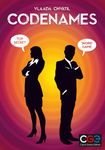
You won, but you cheated to do it, you cheater. Also, if you like those games, try Awkward Guests, Decrypto, Codenames, or The Search for Lost Species. If you like lying, social deduction is for you. Social deduction games are often played in teams. They're competitive and highly interactive. You'll need to read the intentions of your fellow players and determine who is a werewolf, chameleon, demon, a spy, a liar, or you'll need to convince your fellow players that you're one of them and they should definitely turn on Billy and vote him out because he's too quiet. But now he's talking an awful lot. And did you see how he blinked just then? Suspicious. So, remember, deduction, you're solving a mystery about the game mechanics. Social deduction, you're solving a mystery about the other players who are definitely lying to you.
How to speak like a board gamer. Lesson number seven. This symbol. Picture this. You're playing a board game with cards or a card game with cards and on one of said cards you see this symbol. 9.9 times out of 10, you're going to look this symbol up in the rulebook and find that it denotes an instant action. Instant actions vary from game to game, but typically they are something you can do or gain immediately, maybe even if it's not your turn. They can also be played to interrupt another player or react to what someone else is doing as a free or bonus action you normally wouldn't be able to take. Think of it as the gaming version of a relationship hall pass. Actually, no. That's a terrible analogy.
But why this symbol? How did this lightning bolt become such universal shorthand for this type of game action? I don't know. Again, the specifics of the instant action will vary from game to game, but if you see this symbol, you're probably about to get to do something out of turn or for free, shocking all the other players. Oh, maybe that's why. How to speak like a board gamer. Lesson number eight. I cut, you choose. This is a phrase used to describe a method for dividing up and selecting resources. One player divides the resources into groups and then the other player chooses which group they want. It's like when you tell your little brother they can break the cookie you're sharing in half, but then you get to choose who gets which half. The idea is that this will encourage the division to be made as equally and evenly as possible. Now, imagine that cookie is a game and the chocolate chips are cards you need to divide into two groups that will be up for grabs. Do you put everything you want in one pile and hope the other player doesn't pick it? Maybe they haven't figured out how desperately you want those three cards.
Maybe they hate chocolate and will just let you have exactly what you want. Or, do you try to bluff them into picking the pile they think you want to keep you from having it, but you actually don't want those cards. You're the one who hates chocolate.
But, they don't know that. Or, maybe you try to make the two piles of cards equally beneficial for both of you. The tension of how to choose is melting all over the place. Also, I think this metaphor has outstayed its welcome. Some games that feature I cut, you choose are Tussie Mussie, Taken Avenue, Castles of Mad King Ludwig, and Hanamikoji. Do you know any others? And now you know how to speak like a board gamer. Lesson nine, take that. Or, in non-gamer terms, how could you do that to me? What did I ever do to you? This friendship is over. If a game has take that mechanisms, it means players are encouraged to make choices that directly interfere with an opponent's plans and make it harder for them to win.
Think of it as friendly sabotage. The kind that involves stealing, forcing a discard, nullifying an action. I rolled a seven, so the robber activates, meaning I'm stealing one of your cards. I played the tax collection card, so you have to discard three coins. You're trying to do that with your turn? I cancel it by playing this card. You think you're about to be able to shout Uno? Draw two. Maybe it's not so friendly. Take that doesn't normally involve fully eliminating a player from a game. It's more about messing up their plans by taking those little mean actions to make it harder for them to win, but they're still in the game. Even if they feel like they're being ganged up on. Not everyone likes this style of player interaction. They don't want what they're working on to get ruined. That's not fun for them. So, before playing a game like Munchkin, Evolution, Catan, Villainous, or The Red Dragon Inn, make sure everyone knows this game might get a little mean, but it's all in good fun.
Right? And now you know how to speak like a board gamer. Lesson 10, friendly ties. Not to be confused with family ties, which is a joke for a very specific age demographic. Ties in a game can be friendly or unfriendly. You know, just like YouTube comments. Your neighborhood cat, Thanksgiving dinner. A friendly tie means the tied players all get the full rewards, rather than having to share or split them. So, if the player with the most blue diamonds at the end of the round gets six points, and two of you have the most with five blue diamonds each, you both get the full six points. Friendly. Unfriendly ties means there's some sort of penalty for not outright winning. This might mean that the tied players split the rewards. So, those tied first place blue diamonders have to share the six points, getting only three points each. Or sometimes a game will have tied players combine two sets of rewards and then split them. So, our two players with the most blue diamonds combine the first place and second place rewards, and then split that, leaving only the third place reward for the player with the next most blue diamonds, who you would otherwise think of as having second place, but now they're just getting the third place rewards, you know? And everyone else is just out of luck.
It's not very friendly. I recommend trying not to be the person with the third most who's now getting nothing. Just a little friendly advice. And now you know how to speak like a board gamer.
Do do do do do do do do do do do do do do do do do do do do do do do do do do do do do do do do do do do do do do do do do do do do do do do do do do do do do do do do do do do do do do do do do do do do do do do do do do do do do do do do do do do do do do do do do do do do do do do do do do do do do do do do do do do do do do do do do do do do do do do do do do do do do do do do do do do do do do do do do do do do do do do do do do do do do do do do do do do do do do do do do do do do do do do do do do do do do do do do do do do do do do do do do do do do do do do do do do do do do do do do do do do do do do do do do do do