





















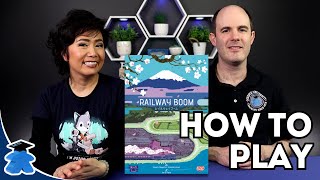

Railway Boom Deep Dive
What the Community Thinks About Railway Boom
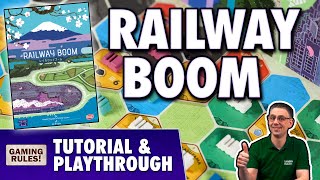
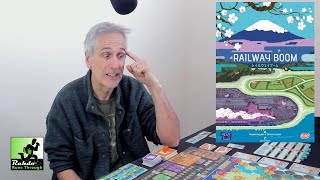
Railway Boom has captured the excitement of board gaming enthusiasts with its fresh approach to the train game genre. Reviewers praise it as a standout title that surprised many who initially expected a traditional train game experience. Despite the train theme, which typically appeals to a niche audience, the game has found broad appeal among euro game enthusiasts and auction mechanics fans alike. The game's arrival at conventions generated substantial buzz, with some reporting people queued for over an hour to purchase copies, indicating Railway Boom has tapped into something special that resonates with the board gaming community.
Core Mechanics That Define Railway Boom
Auction and Bidding Mechanics
The heart of Railway Boom lies in its auction system. The game features multiple auctions throughout each round, with turn order determined by bidding in different resources. What makes this system unique is that each auction uses a different resource, creating meaningful strategic tension. The payment structure is elegant: the highest bidder pays their full bid, the second-highest pays half (rounded up), the third pays a quarter, and subsequent players may pay nothing at all. This design ensures everyone always receives something even when losing an auction, which mitigates the frustration often associated with auction games. The mechanic also creates interesting decisions about when to bid aggressively and when to pass and conserve resources.
Network and Route Building
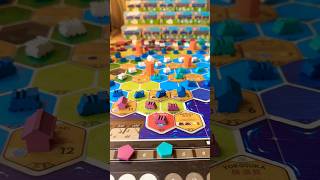
Railway Boom challenges players to build rail networks across a map, placing track pieces adjacent to existing stations and railways. Costs vary based on terrain and competing presence. The map elements include cities that provide income boosts and resource tiles. Building long contiguous routes yields substantial endgame points, making network extension a critical strategic consideration. This element ties together the financial and operational aspects of running a railway company, giving thematic weight to the economic systems underlying the game.
The Railway Boom Experience
Tight Resource Management
Railway Boom delivers a consistently challenging resource management puzzle. Players must balance acquisition and spending across four different resources that serve distinct purposes in different phases. The allocation of limited resources creates meaningful choices at nearly every turn, as overspending in one area directly constrains options elsewhere. This tightness generates satisfying moments when plans come together, but also honest moments of regret when resources run short. The escalating complexity of managing resources across the game's four rounds rewards careful planning and repeated play.
Strategic Depth with Multiple Paths to Victory
The game avoids forcing a single dominant strategy. While route building provides significant endgame points, multiple avenues exist for scoring during play. Technology cards grant passive and instant bonuses, income track development generates consistent resource flows, and auction-driven endgame objectives reward different specializations. This mechanical pluralism means players who specialize in certain resource areas still remain competitive, and the interaction between auction outcomes and map availability keeps each game feeling fresh.
What Makes Railway Boom Stand Out
Genre-Bending Train Game Design
Railway Boom distinguishes itself by being a train game that doesn't feel like traditional train games. The absence of stock mechanics or complex pickup-and-delivery systems makes it more accessible than many games in the category. Instead, the game leverages the train theme for aesthetic flavor while focusing on auction and resource management mechanics. This approach successfully introduces train enthusiasts and euro game fans to each other's spheres. Designer Hisashi Hayashi has created something that works thematically without the theme dominating mechanical design, allowing the elegant systems underneath to shine.
Elegant Auction System with Resource Synchronization
The synchronization between auction resources and the resources needed during each phase creates a brilliant design puzzle. Winning an auction requires spending the exact resource used in that phase, making each auction victory a double-edged sword. Bidding successfully for locomotives requires building materials, yet that same bidding depletes materials needed for expansion. This integration of thematic elements with mechanical purpose elevates the game beyond standard auction fare.
Potential Drawbacks
Station Randomness and Endgame Route Building
The availability of station locations during auctions significantly impacts endgame scoring potential. Since stations appear randomly from the deck, a player's ability to build the long contiguous route needed for substantial endgame points depends partly on fortune. Players lacking convenient location availability may find their routes scattered inefficiently, severely limiting their final score despite solid play. This element introduces variance that some view as integral to the tension, while others see it as undermining strategic control.
Extended Analysis Time and Playtime Scaling
Each auction decision carries substantial weight, as incorrect spending can cripple future options. This significance generates analysis paralysis, particularly among experienced players intent on optimization. Games can stretch to two and a half hours or beyond with four players, and the mental load during initial plays can be considerable. The game's structure, with its start-stop rhythm created by the multiple auction phases per round, demands careful attention rather than flowing seamlessly.
If You Enjoy Railway Boom
Players who gravitate toward Railway Boom should explore related titles that combine auction mechanics with economic depth. Power Grid shares the auction tension but with higher bidding values and longer playtime. Age of Steam offers deeper route-building complexity for serious train enthusiasts. Yokohama, also designed by Hisashi Hayashi, provides similar strategic depth with different mechanics. For those specifically enamored with the bidding system, Biblios and High Society offer lighter but equally elegant auction experiences. Trains, another Hayashi design, blends deck-building with map elements for players seeking a different synthesis of similar ideas.
What Reviewers Are Saying
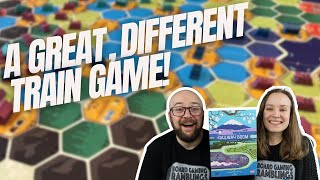
"I really enjoyed this game. It came as quite a surprise to me because when I hear train game, I go 'me'. But it hasn't got shares. So I'm very happy about that."
— Board Gaming Ramblings
"I like the tight resource management. I like the idea that you've got multiple resources that are all important, but they're auctioned at different times."
— The Broken Meeple
"There's so many interesting choices in this game and I really really do enjoy it. I'm going to give this an eight."
— Board Gaming Ramblings