My Board Game Guide To Asia | @CardboardEast | BGSS ep_015




Transcript
So, I want to move to a place where I could learn something every single day. So, I decided I'll move to a country where I can't speak the language and then I'm forced to learn something new every single day. To a gamer is also different because unlike every other convention, it's mostly just a vibe check. I get in trouble at Bezier Games because I I often say like the cover and the title of the game are more important than the gameplay. I talk to other marketing managers sometimes. I'm like, "So, what's who's who's your super fans?" Like, and they're like, "White male, 35, 45."
Yeah.
Bald kind of pudgy. I don't know. Like, it's
Hey, but the first thing the first page on here is uh is every day is the [ __ ] Super Bowl.
I have fooled everyone. I'm actually incredibly shy.
Today, I'm interviewing Jay Bernardo from Bezier Games and also Cardboard East. I fell in love with Cardboard East a couple years back. I was enthralled with Japanese tricktakers at the time and he really helped to shape where I should go because he deals with mostly Asian games, a lot of Japanese games and it just so happens that the Japanese are essentially the flag bearers for tricktaking. In this conversation, we go over Cardboard East, what are the plans for the future, the best ways to actually get Japanese or Asian games. We also go over a day in the life of Jay in his role as a marketing manager at Bezier Games. We also get into at the end what he disagrees with me on. So stick around. This was a wonderful conversation. And let's welcome Jay Bernardo to the board game secret show.
Mr. Jay, how are you doing?
Pretty good, man. How's it going?
Awesome. Thank you so much for being here.
No, it's it's my pleasure, man. I I'm glad I was able to make it on time. Do you go by Dave or David? I don't
Either one's totally fine. Mostly David.
Okay. Did you make that switch? Were you Davey when you were a kid?
Oh. Uh well, you know what's funny? I don't think I've ever told anyone about this. So, uh, my my mom did call me Davey, but she also called me vendor boy bec because my dad and I during a Super Bowl one time in San Diego, uh, were selling these like stickers on the side of the road. Uh, and and I just loved it. And we were like right next to an amm. I'd always go grab spicy hot dogs and just like I it was just like my my thing. So, I actually became vendor boy to my mom for a really long time. That was like that's a deep-seated memory that you just unlocked for me.
Congratulations.
Yeah,
I know how to interview. I'm just kidding. I'm kidding.
And you know what? If you want to call me vendor boy for the rest of the time, have at it.
But yeah, Dave David. Yeah, I used to be called DMac. Last name's McIntyre. You know, all all the above.
What are your alter egos, Jay?
Just Jay. When you're named after a letter of the alphabet, it's just kind of hard to be anything.
It's like there's nothing there's nothing else. JB.
No,
no, just
just J.
All right. Well,
just Ken, just J.
Yeah, I appreciate you taking time out of your busy schedule. Um, it's this is this is awesome. I've been watching your show or your channel I should say for I think a couple years. I I got like um obsessed with trick- taking games and obviously there seems to be something that around Asia and tricktaking uh more maybe more specifically Japan. So that's how I found your channel and ever since I've been a um a huge fan. I think you do a really great job uh in your presentation. It seems unforced and supernatural and almost kind of like um I don't know like a friend around a table. You know, sometimes it feels like including in my content I think like you know someone's speaking at you. For you it's like hey this is what I found in Japan. You've got to
find you've got to go play this thing. It's awesome for X Y and Z. So like I I commend you for um all of your content. I think it's wonderful.
Thanks man. Thanks so much. I really appreciate that. I have fooled everyone. I'm actually incredibly shy. So, it's
Well, you know what's so funny is I'm a a huge introvert like like pain and this this whole like interviewing thing is like this big personal growth project thing for myself,
you know? I I I recently I'm I'm I'm in in career transition. So, I'm like uh like have this opportunity to really spread my wings a little bit. And I've been painfully shy my entire life. And when people talk to me on this, they're like, "No, you're not. you're not you're not an introvert. I was like, well, it's just I maybe I'm a good actor. I don't know. But it is getting what better.
There's something magical about recording that allows you to kind of not be yourself. Talking to a camera is very different than talking to a room full of people. Like I've met I've met content creators who are really good at what they do, but they're just very painfully shy when they're in public. And I've met very charismatic people that
have no camera confidence whatsoever. I think they're just two different skill sets.
But I think good good on you, man, for doing something that's that's difficult, right? Like uh what's the saying? Smooth seas don't make skilled sailors, right?
That is that is very true. Well, it's funny you say that about the whole camera and introvert and shy thing. Well, I remember my very first time recording. My heart was pounding like literally. And there was nobody else in the room. I'm still I'm in the same little shed in my backyard. Nobody could hear me. And I don't know what it was. Maybe I just knew that, oh, I was going to try to do this thing and put it out and people were going to critique it, which they certainly did. Uh,
we've all been there, man. We've all been there. If
if you're brave enough to put stuff on the internet,
there you get some wild people in the comment section. It's just
Yeah. Yeah. You definitely you definitely do. But I think it has. I don't know. Has it for you helped with um I don't know confidence in public and not being so shy or is it at least an outlet for something that's in there that doesn't get to come out all the time?
I would say so. I think that confidence can be mean many things to different people. For me, part of it is just making a lot of mistakes. So when you're in a place
where you could potentially make mistakes, you realize, oh, I've been here before. I know what to say. I knew what not to say.
Uh and then you can be a little bit more confident that way. But it's um it's definitely helped me uh be comfortable enough with myself uh around people and doing things that I do. I I know it seems weird to to say that like I'm I'm making all this content. I'm I'm on screen a lot. I was in theater. I was a teacher. And people were like, "Why are you so shy?" I just I don't there are parts of me that I'm very very shy about. But there's like lots of weird little gossip things. Board games I could just talk or English grammar I could talk for hours on end about. But I think it's just a different sides of a of a personality that you have to contend with.
Do you think it's
I've gotten comments Oh, go ahead. Go again.
No, I was going to say, do you think it's it's stuff that you're just really interested in that where you're maybe not feeling like I don't know. Maybe I'm I'm I'm projecting when I don't feel like I'm faking something and and I'm like really excited about it, which is board games. It's like the love of my life other than my wife and my children and all that stuff. Um I guess maybe that is is part of it for me. I don't know.
Well, I think that in this day and age, man, like we're already 2026, my word, halfway through practically. Uh there's so much content out there. There's so much content on YouTube that and there's so much commercialism and corporate uh selling stuff and I I do that for a living too. But
yeah,
it's authenticity is kind of rare and it's so natural to talk about things that you're really interested in and be and passionate about that it it comes across as as genuine. And I think that for the most part uh people can really tell that when they're consuming content. they could tell that, oh, this is a genuine person with genuine opinions and and they really feel this way. And that's and that's something to me is really important with my channel. And I I know it's really important for Neon Gorilla as well.
100%. And that is um I've always tried to do that. But then, you know, you do I do get into the traps of like wanting to have a nice presentation and this that and the other and and also fall into the the YouTube trend traps and and all that. But that's why I like these long form conversations. It's tough to fake it for two hours. You know, you get to you get to know who somebody actually is. And I'm just trying to bring on as interesting people, people that I'm interested in. And hopefully just like the audience gets to know people on a deeper deeper level level instead of these like 10-minute, you know, clips that we put out that um you know, come off as authentic or inauthentic just depending on on who the person is. So, uh, with that said, a clumsy transition is to take you I want I want to take you back I think five years when Cardboard East started. Is it Is it five years old?
About nine about nine years old.
Nine years old. Oh, I sorted your videos about five years old, but I started off as a blog uh like about nine years ago.
Perfect. Well, okay. So, so who was Jay Bernardo at that time? Before YouTube, you were in Taiwan, right? Yeah, I was living the expat life in Taipei. Um, I moved there in 2006. So, I left America before the iPhone and then I came back in 26 20 years later or 2023 in a very very different America. Very, very different. Um,
yeah,
but at that time I I think I was I was listening to the Daar podcast on my way to work. Taipei is a very walkable city, kind of like New York. Uh, I took the subway uh to work all the time and I would listen to podcasts and I was listening to the Dice Tower podcast and I think uh Suzanne and Mandy were there at that time and they were talking about some uh a game called Mini Park uh which is from Taiwan and they were talking about how cool it was. I was thinking, "Wow, that's really interesting." Like there's a they're talking about a game from Taiwan that no one's heard about, but I just played that weekend.
Oh, really?
So, yeah, I thought I I should be doing this. I should be making content about stuff here um so that people can find out about it. And it was also that like moving to Taiwan was probably the best decision of my life or at least the most impactful decision of my life. And I wanted to do it as a way of saying thank you to Taiwan. And initially I just started off with just doing Taiwan games but that spread to other countries. But at that time you know I was I want to say well obviously I could do the math. I was in my I was in my 30s. I was kind of comfortable with my life. I had a job that I really enjoyed. It paid really well. Um I was in a country with great healthcare and uh just, you know, really enjoy my life, but I felt like there was something else I needed to do because as well, even though I really enjoyed my job, um it paid a full-time salary, but it worked. I worked kind of part-time.
It wasn't it wasn't fulfilling for you. Um, no. I just had I just wanted more. Like the job was fulfilling.
I I loved I love teaching English and I I I miss being in front of a classroom of kids and making jokes and they are forced to laugh
because they they don't want homework, right? So,
yeah.
Um, I I there are parts of that job that I do miss. Sometimes I do have nightmares and I'm teaching again. Um, but I felt very comfortable in the classroom and I just had more time to kill
and you can only play so much Doom before you wanted to make some more content.
Oh, Doom. Doom. Wolfenstein. I remember that. I go back and look at those now and I go, "How was I ever like freaked out by the gore or or or like titilated I should say?"
Yeah. Like D&D 80s scare like in the 80s. like you're summoning Satan and like
Yeah,
that was wild. Wild.
So, you said you went to Taiwan as uh I forgot how you said it, but why did Oh, well, let me put it this way. So, what brought you to Taiwan? Oh, well, I think it was that 20some midlife crisis, you know, where you maybe you finish your education, maybe you finish college, and then you wake up, you go to work, and you come home. And then you realize, wait, is this what the rest of my life is like? I just wake up, go to work, and come back home, and that's it for the rest of my days. And you realize that, oh yeah, school was the same way. I went to school, went home. And it kind of got uh I was a little depressed at that time. Just I was just really struggling with like what do I want to do with the rest of my life? And and I thought I was really happy in college because I was always learning something new every single day.
So I want to move to a place where I could learn something every single day. So I decided I'll move to a country where I can't speak the language and then I'm forced to learn something new every single day. and I ended up choosing Taiwan and I learned something new every day and I was much happier. I was challenged every single day from little things like uh getting a haircut to ordering food and I was just a lot I was significantly happier.
Right. It's like your brain is constantly on, right? Because it's everything's new.
There's stimulus everywhere.
Yeah. And it was I remember I I remember my first day in Taiwan where or I think it was technically my second day. I wake up and there's this disorientation where I'm looking at a new ceiling and I'm like I'm in a different country. I'm on the other side of the planet. Why am I here? How did I decide to do this? My roommates were like, "Dude, uh there's a typhoon coming. I have to go to work, but I'll be back later. We'll hang out. Just don't leave the apartment." Did you know a typhoon was a hurricane?
Uh, no. I didn't know that at the time. I later realized it depends on like which uh body of ocean
Yeah.
it comes out of. But I'm there. I'm walking around the city because I'm like I didn't fly across the planet just to stay inside my home. And I'm walking around and
and this all this rain comes and an ungodly amount of rain. I am soaked. And I see this taxi just pulls up and sees me because my umbrella broke. It just broke and just flew away like Mary Poppins. And I'm okay. Well, I'm I'm soaking wet now. And I thought, "Oh, this taxi cab driver is so cool." I ran into the taxi and the taxi cab driver says, "Oh, sure." And I'm like, "I have no idea what he said." And then I realized at that moment that I don't understand what he said. I don't know my address. And even if I knew my address, I don't even know how to tell him what my address is. And I remember looking at him and then looking out the car window at the rain. And I realized I had to get out of the cab and just walk back to the apartment in the rain.
And as soon as I got home, I took a shower and just found one of my roommates uh uh books on Chinese and started learning. So, how many how long were you in country before you started to try to learn?
Oh, uh immediately like two days. Okay. So,
I think it's just you just
So, this the typhoon hit a couple days uh in Taiwan that you're in Taiwan.
Typhoons happen all the time.
Oh, really? Yeah. It's there's a typhoon season. Um, like I would I would equate it to if you're from the Midwest in America and you have a snow day, then it's kind of like what Taiwan does. They have Taiwan they have typhoon days where just kids get off school. It's like, "Yay, typhoon's coming." They're super happy. Like everyone's super happy when a typhoon comes because they don't have to go to work. They don't have to go to school. And so it they just happen all the time there.
Hey you, this episode is sponsored by Cardboard. Cardboard is my community app. I built it all by myself. Nobody else is in the midst of this. So, technically it's actually not sponsored. Um, but I could use your help. If you want to support this channel, if you want to support this series, or if you want to support Cardboard, the best way to do that is to go to crdbrd.ap. There's lots of awesome stuff. You can become a member. And five bucks a month will not only support the development of the app, but it also supports what I'm doing right here, right now, having incredible conversations with people from around the industry. And now back to the show. Were you in the midst of the city or were you outskirts?
Oh, no. Smack dab middle of the city. Uh, you know, there's like I think there's about 28 million people in Taiwan. About a third of them a third of them live in greater Taipei area. So I went from I grew up in Houston, then I went to Austin, Texas, and then I went to Taipei. So I I grew up in the suburbs of Houston, which is like a four million uh people in the greater area, but in Taipei, it's like 10 million in the greater area. And it's just people everywhere. Everywhere. Most of them Asian. So or Taiwanese.
Did you move there before ever visiting or you visited and then decided to go?
I I had never been to Taiwan. I knew nothing about Taiwan before I moved there. I I was expecting
Well, that's not true. I did I did know one thing about Taiwan and that is um while I was in college I went through this phase of uh renting movies um a lot and I I discovered like uh '9s Hong Kong action films which are amazing amazing films to watch um and all I knew about Taiwan was that that's where all the gangsters in Hong Kong went when it got too hot.
Oh, really?
Based upon the movie. Yeah, they're a hideout in Taiwan. So, I was expecting, you know, Taipei to be like gangsters and guns and like just all everywhere. But that that was simply not the case.
Why did you move there? If you thought there was going to be gunfights in the street.
No, there citizens are not allowed to own guns in Taipei, which is so different um than uh than Texas or
Yeah, I was going to say of all places in the United States, Texas.
Um like it's wild. I would tell my students, they're like, "There are a lot of guns in America." And they're like, "How many guns?" ago, if you took all the registered guns uh not not not even military, I think in America and you gave them to every single person in Taiwan, including babies and grandmas and like little infants, then everyone would have about six or seven guns.
That's a lot of guns. I'm like, yeah, it's a lot of guns. It's a lot of guns. And that's even not all the guns in America. So,
wow. What's day-to-day life in like in Taipei?
Um, man, it's so Taipei is such a a moving living the expat life is something I think every American should do. Um, it's one thing to visit and travel, but it's another thing to live there to stay for a prolonged period of time. Um, because your view on the world just changes completely. Um, life for me, I guess, uh, when I had my teaching job, uh, I would have to get to the school at around 3 in the afternoon. So, I had all my mornings to do, whatever. I would kind of wake up whenever, I would, uh, exercise, then I would cook, go shopping, do some errands or whatever, maybe read a book in the in the park, you know, and there and it's the central park of Taipei. And then I would go to class and then I would teach a whole bunch of kids and then at night maybe I go have a drink because it was I was in my 20s and early 30s because that's what you do. Um I had uh several bars. I I invested in several bars and one of the bars was in between my school and my home. So I would just go to the bar after class, have a few drinks and then responsibly drive home drunk home which is something you shouldn't do. No, definitely not. Are So, are bars in Taipei big or small? I've been watching some some travel videos in Japan and they're all super tiny little like rooms essentially.
A bit of both. Like um like clubs are are big, wild, loud things. Uh there's some bars that are really tiny, kind of like Japanese style. Some bars are pretty spacious. It's a it's a mixture of both. Taipei is a great uh city like that. One of my favorite bars though was tiny. Um, it was like maybe like six or seven, eight seats and it was in it was by the main station and it was called Ginsspiration and they had like something like 50 different types of gin. Amazing.
Are you a big gin fan or have you had enough now?
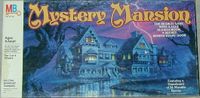
Oh, I don't think you ever can. Uh, yeah. No, I I'm a big gin. Jin and scotch. So, in the Day of the Life in Taipei, you didn't mention board games. Was this always a part of your your life or did this kind of start to creep in as you were over in Taiwan? Yeah, I think it's I've always been I guess for me my origin story would be it would I mean I grew up with all the mass market games like Risk and there was a game called Mystery Mansion um where you kind of put tiles down and like some tiles were raised at different heights and you had to build this mansion and find treasure chests. Um, my brother had lost the rules for the game, so I would just make up my own rules and play a game by myself. Um, and it was probably that and then most likely Magic the Gathering in the 90s kind of uh I dabbled into. Uh, but I think it was around the time I was in college, there was a a board game shop uh underneath my dorm. Uh, and they they uh had some imports from Germany. So like there was Katan and El Grande and Carcazone like eventually but those are the some some cool games that had come out. I was like oh these are really fun.
This I didn't know that games were were like this now. And then when I was in Taipei I discovered the Dice Tower. And that's when Tom was still in Korea creating content and go oh cool here's an expat just like me playing a whole bunch of games. and I saw that wall of games behind him and I like, "Oh, well, I didn't know there were that many cool board games coming out." And that's when I um discovered board games. And so I was in Taipei and I was like, "Oh, there's got to be some board game cafes or stores like uh here." And then I found this one place near my school, which was this really cool place. It was like this lesbian cafe and they had bras uh tied to the chairs just for some weird aesthetic. And like they had this deal to where if you could do more push-ups than uh one of the chefs in the back um you would get like a discount on your drinks. Uh but they sold like copies of Carcassone as well. So at
I know it's wild. It's wild. Um
I need to go to this place. This does not It seems like you're m literally like you're making this up as you go.
No, I think I think it was called it was something witches cafe or something like that. And that's that was the first board game cafe that was that was there. And I slowly started getting more and more uh into board games, but it was very
Go ahead. It was a very subtle thing where he kind of got a little bit more a little more maybe a few years go by another
and then now it kind of
yeah you have a problem. You have an insane problem and I I there might be more games coming out of uh Asia than there are in the United States now based upon the videos that I see of all these halls and these insane numbers of games that you have. But the good news is they're all small box or a lot of them are small box. So that's kind of a little bit of an excuse, right?
Well, it's weird, man, because like there's no really good solution for storing small box games.
There they're quite a few, but there's not one that's
because they're all different size boxes, too. That's the double.
Yeah, they're all different size boxes. But like these, like you put the game, if you're a horizontal or vertical person, and that's a whole debate in itself,
but you push it in like a TTR to get the ride box in, it kind of goes almost flush
and you could push it back even further back and maybe put a game up front and we've all had that experience. Um, but like with smallbox games, you can do that and then cram way too many games in there and then you might not see the game and then you forget that you own it. That's the tricky part is not being even like when you have that front-facing game which all of us really need to use in a lot of cases for storage. You just forget about everything that's behind there.
You know, you have to like constantly look.
So I I have a no I have a no game behind policy.
Everything has to be front and I could see it. If not for
Is everything in the same room or do you have them spread all out?
Oh no no no no. My wife is giving these very explicit instructions that everything must stay in the studio.
Oh, so I have them tucked all over the place and she and I just drive her insane. Especially the small box stuff. I just have those things everywhere, which is tough. I need I need like a library. I want those like sliding shelves, you know, like the um
you know, they're on rollers the in libraries. You can just jam them all.
One of mine has one of those.
Oh, really?
Amazing. Yeah, that was
Yeah, it was really cool. And then the earthquake happened and then he was like, uh, well, uh, I'll just make more shells again. So,
okay. Well,
yeah. Uh, yeah, you want you want some good quality ones there for sure. Uh, is there much of a design culture in Taiwan like there is in Japan?
Um, I would say like every I mean, no culture is a monolith, right? But um one thing that's really really cool that uh Taiwan does is in Taipei there's a weekly meetup uh where designers can just all meet up and just go to this one place and they can play each other's games and give each other feedback because it's very open. It's very very cool that way. And then once a month they have a a big gathering where more people in that place uh show up. And then like once a year they have a big event where the public can come in and everyone can see um those uh those games and try them out.
And it's I would say that uh Taiwanese designers
uh unfortunately do work in a bubble but they always they often interact with each other and they're very very open and uh they give really good feedback sometimes. And what's the best Taiwanese publisher?
Oh, I don't know, man. Like, uh, I don't know. Like, there I have some favorite designers.
Okay.
Uh, but there are a lot of good there are a lot of good publishers out there. I think Emperor S4 has obviously has Hanamakoji, which everyone loves to talk about. Their walking series is really good. Walking to Brano, I think is still probably the best one. Um, More Ideas has some really solid games under the belt like Juraku, Tulip Bubble, uh, Mini Express. Um, board game design or BGD um is the design house of uh Duguay and Dugwe is has come up some of the some really really fascinating games uh over the years like he did uh Yin-Yang or Inyang and then he also did uh Jangnan which is this weird area control uh worker placement game that's that's pretty wild.
And is Taiwan as obsessed with tricktakers as Japan is? No, no. Um, funny enough though, like this year, uh, two Taiwanese, three Taiwanese designers are releasing, uh, tricking games. Uh, but it's I think that they were later to the trick- taking trend from Japan. Um it and Japan wasn't always a trick- taking trend like it, you know, it it came that way I want to say somewhere in the 2010s where it just came and just kind of stuck,
right? In a big way, right?
In a big way. But it's um like people often ask me like, "What do you like about treating games?" Well, I usually say, "Well, it's probably I equate it a lot to 18xx where like 18xx players, they love 18xx. that's all they play. And you could tell like there's this bare bones uh strategy that kind of overlaps uh between all the games. Kind of like take to ride. If you play Ticket to Ride and you have all the different maps,
like there are some strategies that you can hold on to like through all the different map iterations. And trick taking is very much the same. Like a lot of the trick taking strategies like short suiting yourself, breaking in at Trump, um knowing when to slough and when not to. Uh those are uh those strategies you can carry from game to game to game and then learning all those little wrinkles uh makes it special.
100%. That's I I I I often wonder is there, you know, is there an end to the trick taking craze, but I continue just to be engaged? And I think part of it is like um I don't know, there's like this almost this above the table metag game that happens in my group where you are it becomes a little bit of a mental game around knowing the other player and what they like to do as well. like I it's I it's hard for me to explain because it's not like I don't know a lot of you know above the table dynamics that happen but there just becomes this this mental game that that starts to spur from those types of games and and the little wrinkles are what continue to keep it interesting and I think to your point it's really easy to uh introduce trick- takingaking players to basically any trick- taking game with any wrinkle you get those things to the table super easy you could play 10 in a night and people aren't feeling rules exhausted. Um,
yeah, and that's that's what's well depending there's a couple like tricktakers
that might might exhaust some a little heavier than others for sure.
So, five years ago you actually started the channel. Why doing the channel? Uh, presumably what you were like uh writing before in the first four years.
Yeah, I was just I was writing uh writing content, doing like written reviews, uh things like that. um because I guess I didn't really know anything about videography. I just wanted to keep it simple what I know and like I knew writing and then I thought, you know, I want to do a channel and just let's just go ahead and do it out there. And I think it was I think it was the advice that someone gave me is like the first time you do anything, you're going to suck at it. You're just going to suck at it. The first time you tried to walk, you just fell completely on your ass. That's just that's just it just happens. Um so just go into this new venture knowing that you're going to make mistakes and you're just if you keep at it, you're going to get better. And if you make sure that each video is better somehow someway, then after a 100 videos, you're going to have a better idea of knowing what to do and what not to do.
Yeah. And I think the good news is nobody's going to watch the first 20 videos. you know, they they might go back later on to see how awful you were, but in reality, like you kind of can get better um you know, in in private up to an extent with with very limited people criticizing. You don't you're not big enough where people want to kind of tear you down, right? So, you know, it's it's not as it's not as scary as I initially thought. Kind of just uh getting those videos out there.
Yeah. And what's really cool is that if you if you want to start like a YouTube channel or or a podcast uh when you begin like it's it's pretty exciting because maybe you are small that gives you uh more license to kind of do whatever you want and just try lots of different things, throw more spaghetti on the wall and see see what sticks. Mhm. One of your top videos, I think it was three years ago, where you taught people how to get games from Japan, and it seemed like that was like the number one request to you on like how to actually get all of these wonderful games you were talking about. Is that still is that video first of all, is that evergreen? Is that that method of the forwarding service and all of those websites that still hold true for today?
Um, I would say 80%. Yeah, I would say most of that is still true. Um, like if you want to know about the coolest games coming from Japan, you have to be on Twitter or Yeah. X.
So I guess that part's not true. Like it's not called Twitter anymore. It's called Right.
It's called X.
I was wondering, are they still on X? Did they move to Blue Sky or anything like that? X.
Absolutely.
Uh because they don't have the political associations that Americans do, right? Uh, in fact, like when you go if you ever get the Tokyo Game Market like magazine that they they have to kind of show you like all the cool games coming out u next to every publisher, you'll see their Twitter handle. That's just that's how deeply ingrained it is. I think uh in marketing they call it a penetration rate like
like what what percentage of the population use uh that social media platform and then Twitter is extremely high in in Japan. Does Twitter auto um translate?
Um if you click on a post, you can translate that post. There'll be an option to translate a post.
They're not communicated in English in general, right?
Uh as a rule of thumb, everyone in Asia uh writes and reads English.
Okay?
But not everyone speaks it. Uh some people do speak it uh but they're very shy about speaking uh English. Uh but I think that's true for most uh cultures in in Asia. I mean everyone everyone uses English for business English is the business language of the world. And so I've I've
yeah I've done I've written and well not written I've read lots of broken English emails uh with business uh throughout my career. So it's just it's just one of those things that happens.
UA just reached out to me to cover their new campaign. I said well I've kind of shifted to more interviews. I'd love to interview someone from the team. I don't think I'm going to she Elaine essentially said the a very similar thing. Not too comfortable um interviewing in English. Uh so that that makes sense. I only it's hard to find any sort of like interview content. There's some written interviews that I found um with Asian publishers or designers, but um you know I imagine the language barrier is is the tough part for sure.
Yeah, it's um Japanese is is really difficult. Uh, I would say more difficult than Chinese. Um, but languages are are just like anything else, man. It just takes time,
right? Do you know any Japanese?
Um, I know Japanese because I know Chinese. Um, I read and write and speak Chinese. Um, and [ __ ] in Japan. And Japanese has like three alphabets like the hiragana, katakana, and the kanji. The kanji are the characters based off Chinese characters. People always say kanji is the most difficult part of learning Japanese,
but you already knew it,
but I already know it, right? So, it's to me that's the easiest part.
The hardest part is the hiragana and katakana and like knowing when to use which and there are different symbols for the same sound and it's a little obnoxious and there's an honor system of like depending on whom you're talking to, you would speak a different way
which doesn't exist in Chinese.
Yeah. So, have you seen a really big trend in localization uh with a lot of these games coming from Asia kind of negating the need so much so to have to use the forwarding service to get the very best? Or are there still just incredible things over there that just are never going to get localized here in the United States or in the West, I should say? I I think the question really is is that like even though a game does really well in Japan or it's really cool, uh the question is is it really good for the American or European market, like that's that's something that I think um that publishers have to think about. Obviously, since I think Love Letter uh from AEG, when AG picked up Love Letter and released it, they were not expecting it to be as big of a hit.
um as it became right.
I didn't even realize Love Letter was localized. So that was a Japanese game originally.
It was a Japanese game.
What a home run.
But I think once AEG had that, it kind of forced publishers uh from the west to think, "Oh, wow. I could have a small card game do extremely well."
And that means that they they've uh it's not about throwing lots of chrome and lots of bells and whistles. It's just about making a really good game. And you could even do that with a small set of cards. And so it and made other publishers think, "Oh, what other gems are in Japan? Can we find something like a card game?" Because card games are great for uh they have a great markup.
Then I can do then I can pick up a light a card game and and sell it in the west and have my own love letter for example.
Um so that that definitely uh influenced other publishers there. But there's there are a lot of games like there's a game about uh called Natsu Memo where you're junior high school kids and it's your last month of summer vacation and you're trying to plan out your monthly activity. So every day someone will be like, "Okay, Monday and Tuesday of this week I'm going to go do this cool activity. Who's with me? One, two, three." And then you raise your hand and then you mark it on your calendar. Um, it's a really fun uh game, but one of the core mechanics is that uh you aren't playing as yourself, you're playing as an avatar as a character.
And then the game suggests that you have roughly an equal amount of boys and girls. And so if you're if you're, you know, associated as male, but for the game balance, you have to be a female uh in in the game. And that could be kind of problematic in the US, especially like right now. That might be something that publisher could be like, you know,
I don't want
I don't want to deal with it. Yeah,
I don't want to deal with it. Like it's it's just there's this shouldn't be a big deal
and but it is, you know, so it's like that's something that may not get licensed um you know in America,
right? Definitely seems like some there's some themes culturally that that wouldn't
uh transfer, but it also seems like some get rethemed, right?
Oh, yeah. Absolutely. Of course. like that that's just to do with with everything. But I think most uh Taiwan taught me the Taiwan board game industry taught me that uh as my friend as my friend uh who's a publisher there, he says like Jay, I spent two years and I sold 2,000 units. I was very proud of those 2,000 units. I worked really hard to sell those 2,000 units, but then I went to France and a weekend I sold 12,000 units. So, my business model has changed. I'm making games to naturally sell here in Taiwan, but I want to sell them to bigger publishers overseas because that's where all the real money is for me.
100%.
So, so if you're going to do that business model, that means that chances are your games are going to be uh language independent. It's not going to be any English text or Chinese text on them. Um, and that way you remove as much friction as possible from like, you know, asay or yellow or Robinsburgger to license your game. Like, oh, I don't have to translate uh any Chinese into German or whatever. I just redo the rule book and that's and then I'm done. It's like, yeah, that's pretty much it. So, they design their games that way. also like um like the size of the games is that like they're like that's true in Japan uh also true in Taiwan but like your average home doesn't have like this massive massive table uh unlike uh Americans Americans have
tables that are big enough to play Arkham Horror second edition on
because that's just that's just how we roll. Um Thanksgiving is a thing and we need more table space for for turkey and fixings. But um in in Asia and Southeast Asia, it's very different, right? So uh also your house is typically smaller. So it makes sense that the games are also smaller. And if you're a publisher and you're selling games overseas, if you're bringing them to Spiel, then you could create a big game, but then eventually you're just paying a lot of empty space to be shipped.
Yeah. So, if you have a smaller game, that means more units per pallet and you could sell more when you're overseas.
It's I was watching the Dice Tower vlog of Tokyo game market and those tables that they played on were so thin and tiny. I was wondering like what what's going on there? Do they not like table space at all? It's funny you say that.
Uh, it's a very it's a very different animal. I think when people go to Tokyo Game Market for the first time, they may not and who have gone to like Gen Con or maybe Packs Unplugged, they they're not used to that style of of convention because it's it's just very different. Um like for example like if if uh busy at games or at Origins next month if we sell out of all our games just on day one like miraculously just day one I did an amazing job as as marketing manager and we sold out of all our games we would still be there every single day of the camp of the of the convention and you might just demo games and be like yep here we are just here are the games right
but it took you market if you sell out you're just gone you just leave.
Is that the only goal is just like I need to get my 100 copies sold, 200 copies sold, whatever it is.
Well, sometimes like you might have that table spot for the morning and someone else has it in the afternoon.
Oh, okay.
And when you and when you're walking around, if you see a cool game, just pick it up and because they might not be there in the afternoon,
right? And it's only a two-day convention, but really it it's really a one-day convention because Sunday is usually more tabletop RPG than it is board games, card games. I mean, there are publishers who are there for both days, but a lot of publishers are just there for Saturday.
That's wild.
Yeah, it's it's very [clears throat] different. Um, and because of that, like there's they don't have demo spaces. Like it's just a table. Maybe the game is laid out. I might explain it to you. Maybe you play a demo, maybe not. But it's it's a very very very different uh feel. Also, like uh Japan's laws on photos are very different. Like it's um illegal, I think, to take photos and just like and not and have people's faces in them and like things like that. You should
Yeah, I think I don't know if it's 100% illegal, but there's there's definitely it's very impolite. Like you need to tell people like ask them like, "Can I take a photo of you at your booth?" And they say yes. Like it's and if if you ever go for a press press pass, they will tell you this at the Tokyo game market like website and uh Arite will tell you like you need to ask before you take photos.
Very interesting. I would imagine that everyone there would want their games to get as much you know. Uh
yes, games. Games. Yes. People know.
People know. Interesting. So I've always been kind of um I don't know. I guess lazily obsessed with Japan. I I remember in COVID just watching uh people with I don't know a first-person view of people just walking through Tokyo. So naturally as I got into board games, I've been obsessed with wanting to go to the Tokyo game market. So being an English speaker, is that doable? And you said a lot of business gets done in in English. Is am I going to have a hard time going around that market and figuring out um you know if the game is for me and just learning anything? like is it worthwhile for me that knows zero Japanese?
Um, the answer could be no. I mean,
yeah, I I guess I guess what I want to say is Japan has this reputation of being notoriously bad in English.
And so when you go to game market, do not expect anyone to speak English,
okay?
At all. Do not. Um, and they probably will not speak English at all. Um, but they'll probably speak and maybe be very broken to you and then you can kind of get the gist of it. Um, yeah. So, don't but you can get by with English. You can get by. No one will speak English to you, but you can definitely get by. Japanese people are extraordinarily friendly and polite. And if you do go, all I ask is that you return that same kindness and be extremely polite and not obnoxious. So it's
uh but that's I mean it's also took a gamer is also different because unlike every other convention where like if you go before Gen Con there's tons of tutorials and playthroughs and a posted rule book and you could see everything and get an idea for the game. Took a game market is not like that at all. Some publishers put up their rule books and you could kind of do it. Some publishers do have some videos out. It's a very recent trend though, but it's mostly just a vibe check. Like
I was gonna say that you said you buy on vibes and a little advice from you, right?
Yeah. Just you just buy on vibes. It's just vibes. And uh people always tell me like uh you know I want a curated list of like uh what are you going to do? And I just I just filmed my 50 games that I uh that I'm interested in at from Tokyo Gameark and and I'm going to be editing that this week and publishing that this week. But it's but I always encourage people to just just go and have fun. Make a list, make your route, get everything you want. But if there's something that catches your eye, just grab it because you you never know. You never know. And I am not you and you are not me. What speaks to you might not speak to me. So there's something out there that could just be really really funny. Like there's a game about I think ghosts getting drunk.
Love it.
One of the cards, one of the cards is the ghost vomiting rainbow.
I love it. I love the oddities of the Japanese thematic implementations and art and just like the sensibilities are are so different than what would sell in the US. Or maybe it would, I don't know, but uh you know, I love that stuff.
It's just a very it's a very larger indie scene. And I think that's I think that's what most people don't understand is that like game market is is is independent publishers. Some of them aren't full-time publishers. Some of them have a day job. some of them. Uh Shibu like uh has a grocery store, you know, so that's how he spends most of his time
uh in in the grocery store. But like and then like designing games is just is just a fun little hobby side hustle for them.
And so it's it's a very independent thing. Like these print runs might be like 200 copies, 500 copies and then gone. like you you might never see a copy
and then you come and talk to us about it and we salivate over it and we just can't find the game.
Well, it's you can always find the game, too. Like
there's if there's a will, there's a way. I think if you
just like if if you're really interested in someone, you know, you'll find a way to make it work,
right? Like uh it's there's there's no excuses. It's not like you don't have enough free time. It's if you're really interested, you'll find a way to make it work. Is anything pre-production there? It's It's Or is it all a market? Everything's for sale. It's all actual production copies in the Tokyo game market.
I don't know what you mean by like a like a
like Well, like uh like uh demos like or or trying to get the word out or whatever. Is or is everyone actually selling at their booth?
Everyone's selling at their booth. Yeah. Like there's no uh there might be a demo copy here or there, but for the most part it's just what you see is what you get and you could sell. I mean, there's there's also one booth that does these weird controllers for video games. Like I I don't know how to explain it. Like there is there's one that's like a Coke bottle and you have to shake and then like it'll explode like like you open it up and then you could see how far your Coke bottle rocket goes up into the sky. But they change every every year like they have it's just controllers. Really cool video game controllers. It's just just wild.
So there's board games and video game controllers.
Uh I mean there's a lot of stuff. There's like even the RPGs are are very very different uh than what we would consider like uh tables RPGs when we I mean we picture D and D like Critical Role like big epic campaigns that might last lifetimes or years with tons of miniatures. Uh but for Japan your average tabletop uh RPG um right now I mean call Cthud is really big over there but uh it's like the like there are like sessions like just one session.
It's a one shot just not going okay. Yeah. To just to go in and that's it.
Is it a relatively small portion of the gaming community is RPGs there? Because like a an RPG channel here in the United States is significantly larger uh or can be than the Dice Tower or whatever it might be, right? Like that is a huge market here.
Um I don't think it's as big as it is here obviously just because there's just more people here,
right? uh but uh RPGs are are are have grown in popularity and I would say that they are significant portion of Tokyo game market. I don't know what the exact numbers are, but if you go on Sunday, like it might be like a third uh of it might be there. And it's weird how to say like what's tabletop RPG and what's not because there's stuff like the DND adjacent uh market. Is that really D and D? Like dice and dice trays,
right?
And that is a little bit of an overlap there. What about Japanese games do you think is that you don't get from a western publisher? Like what what are like the the key attributes that really stand out to you? Um I would say that
I would say that uh most I would say art and products.
I think in the west uh most publishers don't make board games, they make products. These are things that are designed to sell, right? Um but obviously there wants to be a good game, but first and foremost is will it sell? Right? Uh there are some publishers out there. Um like Annabelle, she makes art. I would say like there are games, but they're art first. Like this is the game that she wants to make because she has to raise something important that she wants to say. And I think that's awesome.
But it's not a game that's going to sell like in Walmart for example, right? It's not a flip seven.
Like flip seven is more of a product than art
if you if you see that scale
100%.
And I think for and I think for Tokyo game market, it definitely leans more towards art. So, like anyone who's into the trick taking will tell you like, "I love all these Japanese trick- taking games. Some of them have really bad scoring systems." And that's really true because it's like, "Oh, they come up with this really cool hook and here's a scoring I just slapped on because I think that scoring works." Um, and so you get games that are a little bit more adventurous and try something new. Um, you have games that are uh like unapologetically silly like a ghost vomiting green like rainbow
right
out of it, right? Or like just weird things like that. So, I think that's something that um that you see in Japan. You see a little bit more experimentation of like trying new mechanics and trying new things. I'm not saying that the West like the American or US markets or European markets don't do that. They definitely do do that, but there's like this kind of like this innocent playground approach that Tokyo game market has that's just I don't know. It's just it's like you might you might play brass for like those big crunchy moments. You might play like um Arkham Horror or Cthulhu Death May Die like for these big epic like dice roll Chuckers or Nemesis because you you love the alien feels and the creeping of dread like these are all great experiences but there's something about like these cute little games like like these there's a game about a green zombie cats and you're throwing rings around them that that just kind of come out of nowhere and make you giggle. in a way that you weren't expecting,
you know, like uh like Nana or or Trio. Like it's a game that
it's just so good. Like it's so unexpectedly good and you're just laughing and having a great time and it's just a small deck of cards, but like
you don't realize when you're reading the rules how much bluffing is involved and how much of the players invest themselves into the game and like they they're not making eye contact or they're making eye contact, right?
Like to psych you out and that's And there are those little games like that that uh scratch a different itch I think that the western markets typically don't.
Yeah. I wonder if you have a perspective where you're trying to sell tens of thousands of copies compared to hundreds. Does that just naturally produce a different game where you are willing to take more more chances like you know I wonder what some of the games from the west would would have actually been if there isn't kind of pressures to I don't know put them more in a lane that was going to sell the most copies. So maybe that's part of it. I don't know. But it's also Japanese culture too, right? That's just so different.
Yeah, it's just different. the um but like also like there are independent games here in in America
um like there are some small conventions that are out there uh PAX unplugged uh Daniel Newman um
uh who you definitely have on interview he he's a huge cap so talk to him about movies
yeah I just heard you talk about that yesterday in a video I I wrote down his name
but uh but uh he runs the I mean he runs his own uh uh publisher where he publishes like these small games and helps indie publishers in in America or like independent designers publish their game. but he runs the indie game night markets in uh packs unplugged and there these little designers there who have created like these tiny little games and they might make four 500 200 copies and they just sell them and some of them are surprisingly really really good and some of them get picked up by bigger publishers and I think that's that kind of culture does exist here uh in America it's just not the dominant uh culture.
Yeah. And I think it, you know, crowdfunding doesn't help um because it doesn't really do what I think people would were originally envisioning uh when crowdfunding started.
I think that's
I know this is where we this is where we argue before because I mentioned like when you reached out it's like I don't always agree with your opinions.
Yeah.
But this is something that I used to feel the way you do but I've come to accept that
it's changed you know like every platform has its own life. Um, Kickstarter started off as a way for independent publishers to kind of get known like and for a long time it was just nothing but crap
and then like Alien Frontiers came out and people were like, "Oh, you can have a good game on Kickstarter that just came out of nowhere and people are like this is a really good game, you know, or like Zomicide comes out and people are like, whoa, what is this? This this is a really good game." So,
um, and then then it became more of a pre-order service, right? Yeah. Um, but I think platforms just have a life of their own and they just change. Like YouTube used to be a dating a dating service, right? That's what it's like the whole idea of you,
right? So it's and used to be YouTube used to be like America's funnest home videos or like weird stuff and cat videos are
are there and now it's pretty much modern day TV.
Yeah, definitely. I mean, there's some still great things that come out of crowdfunding. It's just changed, to your point, it's changed to an insane I the the stakes have it's gotten so popular that the stakes are high enough that a lot of marketing dollars go into it and that rises to the top. Um
Oh, yeah. Yeah. I mean, that's true for everything, right? Like Cyberpunk, they they spent millions of dollars in marketing
and and raised $27 million.
Highest grossing Kickstarter of all time.
Yeah. Uh but they spent like a million dollars in marketing. Um so it's it's and it's ridiculous when you saw that launch you're like that's it's a lot.
Yeah, definitely. Yeah. The one thing I wonder though is like and I was just talking to board game bulocks about this which is uh is it are we more infatuated with products and we kind of board gaming um you know culture here in the west that can go on our shelves or are we more about the game and and if you were to just you know have it you know show an alien game found in Kickstarter you would say these people want toys they want deluxification they want you know which I love by the way I love deluxification I love all this stuff I am the sucker to all of that, you know. But are is is like um is gameplay
uh you know
becoming derivative of uh previous games that are just rethemed or slightly changed, you know, slightly having mechanics um combined slightly different. And I actually don't know where I land on this. I think it's probably it's not black and white, but I think there is a lot of that. there's a lot of of um you know creating a product which I think you said rather than necessarily trying to create a game at least for Kickstarter and game found
um I think it's a it's I don't know it's a mixed bag but people were having these conversations like there's nothing new under the sun like 20 years ago
right
like 15 years ago and what what like Dominion and Pandemic came out roughly around the same time
gamechanging uh industry changing game. Yeah, right. Dominion came around, huge change to the industry. Pandemic came around, solo games are like a big thing now, right? So, it's there are there's always something new under the sun. And even in this podcast, we'd mentioned earlier about how there are always new trick taking games. Like I'm I'm also surprised like ah there's new trick game and it feels different and it this is fun and I'm liking it. But I think if if we're talking about the western audience, um my best example would be uh this game called uh Duel Boy.
Okay.
Now, Dualboy is I mean it's in a different box because it's it's just that's just how you know I roll.
But Dboy is like was is the convention game from Tokyo Game Market. Um what it is is that you just get like a small ticket cards and um like one of these cards um is like I'll use my finger. This pen here is like your discard pile. So everything here is the trash and everything here is yet to be played and you're pulling [snorts] these things out and you're playing a very very quick game. It's like maybe five minutes and the game comes kind of like in this little tearway pack. You tear it open then you have this deck of cards.
Very very simple. Um, and the cards, let's see if I if I have it here. The cards themselves look look really really cool. They're like this black and white art style.
Oh, very cool.
To the game. And you're meant to have like a a few handful of cards and you get a sticker that you put a sticker on your chest. So, if you're waiting in line and you see someone else has a dual boy sticker, you're like, "Hey, let's duel." And then you play a game. Um, everyone's deck is different. There's like a total of like I think I don't know like 300 200 something cards and everyone gets random cards in there. Just completely random.
Yeah.
And then you have no idea what's in your deck. And if you lose the match, you get a card of your choice from your opponent.
Oh my god, that's so cool.
And so the winner loses that and gains one of the one of the crappy cards.
Yeah.
And that's it. And that that's the game. And it's
so you're always you're essentially trading, but it's a if you win, you get to choose which crappy card you give and you get to take any card they have.
If you if you lose, you get the cool card.
Oh, so it's like a a self-balancing mechanism. That's interesting.
But and so and a publisher asked me once, uh, so are you familiar with Dual Boy? I go, yeah, I'm familiar with D. I play Dual Boy. have a whole bunch of cards and sometimes I have like a like in a little event and he's like oh do you think it'll sell in America? And I said absolutely not.
No.
And I was like really yeah absolutely not because I think the beauty of this game is not in the collection but just in the game play. It's all about just playing the game and having that experience right of like oh trading cards and this is my deck now I go to convention and I play it again right. Um, and you have to be comfortable with that. Maybe the market today is different. Maybe it could work this way.
How old is this game?
A couple years ago, there's a BBG entry.
But, um, I think your average American just wants to buy everything.
You're right.
They're a completionist. I want everything. I don't want to I don't want to give away my card. Are you mad? Like, that would not that would not fly at all. So, I think that that's something that's very different with the market,
but maybe it's different now. Maybe, you know, I don't like Breath of the Wild because I I hate crafting. I like just having my one weapon and that's it.
I hate the the weapons breaking. Oh, that drives me insane.
But, but some people love it. The majority of people love it. They just love crafting because they're they they've let that completionist in them die and they just, you know,
I don't need everything. I don't need to be perfect. And maybe maybe that younger generation, this could work for them.
Yeah. I think to answer your question, that's that's what it is. I think it's more about the collection than the game. Gaming is really important.
Um I get in trouble at Bezier Games because I I often say like the cover and the title of the game are more important than the gameplay. Uh because if you if someone doesn't like the cover, someone doesn't like the title, they're not going to pick up the game and they're not going to play it.
I still Yes. Go ahead. Keep going.
Just like a YouTube thumbnail, right?
If it's not good enough, they're not going to click on it. They're not going to watch the video. It doesn't matter how how awesome your video is. Your thumbnail and title suck. Nobody's watching.
I'm still surprised because that is totally true. how many new games come out with I mean bad art just bad art it's you know art is subjective but literally you could tell it's kind of low quality the the theming is not interesting or new and that like the the marketing pack package is not is not complete um you know as much as I'll I'll kind of on one hand say you know game found is full of uh marketing there's still plenty of games that are coming out where it's like that is almost like a the presentation is almost a second spot uh up to an extent.
Yeah.
Yeah. So that's that is a but you still have to have a good game but yeah it does sell it.
I think it's just it's I think people forget that as mature as the board gaming market is
it's still fairly nent. It's not fully fully matured. I would say um a buddy of mine once said that the board game industry today is kind of like where video games were in the 90s where it's we're still it's still maturing. It's becoming more of a thing, but it's not fully fully matured. So, I think in like a 30 years,
you'll see a fully matured uh board game industry
and where things like that will be the new normal like games will be super polished, very much a product and it's it hits on all cylinders.
Yeah. I mean we have we've we've since co we've seen kind right like um these huge shifts both in you know oversupplied uh well from under supplied to to to you know gluts in supply um tons of people throwing their hats in there tons of of of crowdfunding I think it is just a kind of a natural thing which is probably healthy right where uh you have this explosion in popularity a lot of people see that I mean the barrier to entry to designing a board game is is actually really low, you know, so a lot of people started to do it. It's not not low to have it published. Um, but I do think that we are in the midst of a correction and um it'll be interesting to see and and and a lot of uh publishers and you would probably know this more than anybody. It seems like small boxes have become invogue because of kind of economic worries, shipping worries, that type of stuff. I wonder if we'll kind of come back around to
big production. Yeah. Oh, yeah. Right.
That's just I was I was at Gamma when tariffs when it was announced that tariffs would go up to like 30%. Was it last year?
And people are like,
"Well, that's stupid." And then like it it got up to like 150%. Like it's just well that's just that's just an embargo at that point. Um because it just makes it impractical, right? So, it's terrace uh being how they are, it's just it makes life unpredictable, which is extremely difficult to do business in
and it it kind of sucks.
Do you think that's hampered some of the games that are uh have been designed or at least publishers are willing to kind of put out there this the the economic situation? Well, I think like the board game industry has has survived like economic turmoils. Like people still make games and recessions. That's just that's just, you know, you got to keep on keep on keep on keeping on.
And and like when the tariffs hit and there was like a mild recession like on the horizon. Um I mean people would ask you like what do you think is going to happen? I was like this the same thing that's always going to happen. It's gonna be more card games and more expansions
because expansions are very inexpensive to make and they help sell the bigger higher ticket items like this big box games and card games have a great market and they're they're less of a risk than a big box game right so
that's what's going to happen at Gamma this year I talked to a lot of retailers and I love going to Gamma to talk to retailers and um the consensus I felt was that you know those impulse buys 20 and still sell like flip seven sells flies off the shelf because it's like like seven bucks. Um, anything that's above $30, uh, instantly becomes I got to Google it. Let me see what's on like on BG. Let me do a little bit of research. So, that creates friction. So, it stops the impulse buy, right? So, 30 is like that magic number. Um, and the 30 to 80 is where this, you know, that kind of slows down. But oddly enough, once you get to those really high ticket items like Elder Scroll, like it'll still sell. They're like, "Yeah, like that's $200 a copy, Gloom Haven, Frost Haven."
They still sell because,
right,
they are these luxury items that people want and I don't care what the economy is going through. There's something that I love. I want it and I'm getting it. I deserve it.
Yeah. Well, and I think in that case, it's really clear the product you're getting and it's really clear the value that you're getting in that 30 to80 to $100 space. I think it's a really wide variety of value that depending and that's where that research really starts to come in. I recently um
have you played layers
from KTBG? I played layers. Yeah,
I I'm a huge fan of it. I like it. I like it a lot. I uh yeah, I saw the the your interview uh your last interview and and I was you had the I had the exact same uh feeling that you did. Like I felt it's very much a PC like like it's just proof of concept.
Yeah.
Um like you don't get many monsters, you don't get many traps. It just kind of works. It's very simple. And then now that if you if you really like this then and you want a better experience, well then you got to invest in all these expansions. So you get more monsters. you got more traffic more than the base game
levels to your layers. Yeah. And maybe that's maybe that's the actual ideal model.
Maybe it is. I don't know. It drives me nuts. But have you seen that or do you think that will be a model going forward? Because I didn't really think of it from an economic perspective too much until you're we're kind of having this conversation now and that's what what jumped up.
I think so. I think that's a really smart business model. I mean like it's just like it's $30 to $40. It's a It's not much of a risk. Like people will buy it and try it out and then be like, "Hey, I really enjoy this."
But you know, it would be better if there are more monsters. Like you can buy more monsters. I can. Here you go. Yay. And then you just fall down this rabbit hole of like I gota I gotta buy more. I gotta buy more. I gotta buy more. I got to get all these cool things for it.
Well,
so maybe it's not
So maybe like with um
maybe and maybe that's what it is. Maybe it's it's that instead of coming up with expansions, you're just tearing apart the base game and then you make a base game actually smaller than what it originally was and then they get hooked on the core system and then you piece meal out the rest of the game and that could be total maybe $120 but they entered in at $30. So I guess in a business plan it makes sense to me. Yeah, it it might very well. And I think a lot of people might argue that that's been happening for a while, but probably for much larger games. This is one of the first ones where I've seen such a I mean, this feels like a a pre-production preview that you would send to a content creator to do a um like a a preview video on because it is one trap, one monster, and it just leaves me wanting so much more. And maybe I've seen this before. or I just hadn't liked the game as much, but I just like was instantly craving more and then like, oh yeah, there's there's a bunch of uh expansions which aren't out at the same time, which is also kind of frustrating because, you know,
I think it's I think it's pretty smart though because it's like there's uh you create an introduction scenario and a lot of people just ignore it and they're like, "I made that introduction scenario so you could do this." And people are like, "No, no, no. Just throw everything in. I'll just I'll just just figure it out. Just figure it out. figure it out. Um, and they're that they're going to kind of forcing you to play it. And I think that's probably smoother for them because there are all these little finicky rules about layers that you may not notice like like when you take damage, when you can move, when you can't move, like if you move into if you run into a monster, what happens? And if if you don't kill them, what happens? And like all these little fiddly bits that happen there um that if there were multiple different types of traps, it could get confusing. So, I think like that's probably smarter to force them to play this introduction introductory scenario and then, you know, drip all the the cool stuff.
You're making a lot of sense, Jay. That does make a lot of sense. As much as I'm frustrated that I want to play it right now, I bought the game and I haven't gotten any. I don't have a relationship with KTVG. Um, I would love, by the way, if you want to send me those because I can't find them anywhere yet. Um, but yeah, it is it's it's created as long as the game's good. Like if the game's trash, this this is a really crappy
It looks great. It looks great and it plays great, right? I think the system that they created is is really top-notch. It's a nice watered down D&D experience,
right? Yeah.
It's and it's good. It's a solid solid game and experience and it's very Instagrammable, which is definitely something you need for the 2020s and 2030s.
That is true. It shoots well. Um so let's pivot a little bit now um to your role in Bezier. uh you moved back to the United States to work with Bezier. Is that true?
That is 100% correct. Yes, I moved back because of this job in 23. Yeah. The um I left my job in cyber security and then I was kind of wondering what do I want to do next? And then I applied. I think Mike Deisu was like, "Hey, busy is hiring. Just throw your hat in the ring. See what happens." And I threw my hat into the ring and they I got offered the job. And um and then I decided to move back to the empire and here I am. I had to call my name.
Is that where I remember you saying you went to or No.
Yeah, it's Tennessee. It's um It's weird. It's not Texas. It's Tennessee.
A different South.
They have an Southern accent, but it's not the same southern accent. There's a UT, but it's not my UT.
It's the University of Tennessee. My my UT is white and burnt orange. This UT is white and an ungodly loud orange that's just ridiculously loud.
There are some parallels there.
No one should wear that orange. And that's the power of sports is that I will wear this god-awful horrendous color because my team that I love, it's their color. That's what And so, but it's Yeah, it's interesting. I I like the differences. Tennessee's has four seasons. I've never lived in a place that had four seasons. Uh fall here is absolutely gorgeous, but yeah, I moved back um for the Vizier job and it's the best job I've ever had.
Okay, cool. So, it you obviously when you signed on on for the job or was hired, you thought it was going to be one thing. Has it turned out to be that thing or there's been big surprises on what your role actually turned out to be and and uh and how um
how you're operating today? No, I I think your average person might say yes. I knew that kind of what to expect. Um I I've worked for small companies before, so I know that when you work for a small company, you're going to wear a lot of hats. And that's just the nature of small companies, right?
Um like you see all these Tik Toks about stuff like don't do more than what you're asked for at your job because just milking you for money. That's true for giant companies. That's absolutely true for giant companies. But if you work for a small company, you cannot have that attitude. You'll be fired and let go because they need team players because there's only like five people on the team,
right?
And you needed to survive too, to keep your job. And you if there's five people, you are 20% of its success.
Yeah. So, I knew that I would go into that job and have uh I'll be wearing a lot of hats and I'm wearing a lot of hats. I do a lot of things for Bizier Games. Um, I guess one thing I wasn't expecting was I knew that I would be attending board game conventions. I just
didn't understand how many board game conventions I'd be going to and how much it would be a part of my life,
right?
If that makes sense.
How [clears throat] do you like board game conventions as much now?
I love board game conventions. They're my favorite part of my job.
Okay, cool.
Hands down.
Like setting up the booth is probably my least favorite part of the job. That's just physical labor at that point. And I work out. Uh I mean to I'm on the I don't know about about you, David, but my wife has me on the you must die after I do diet.
Like that's that's the diet that I'm on. Um so I I work out regularly to make sure that u I know I'm healthy and because I want to be able to walk when I'm older.
Yep. 100%. That's that's typically a pretty good thing. And so like um but also like I need to do squats and stuff because I'm doing a lot of physical stuff for setting up the booth and I don't want to pull a muscle because like I mean you're you're around my age like when you get injured yourself like it sucks. You're out for like a month.
It takes a long time. Not like it used to.
Yeah. It's uh there's the my friend old buddy of mine in Taiwan you would have the when you work out it's the old man rule. It's like because when you're in your 20s, you're pushing. You're going to push your bench till till till break, right? And your muscles are like in pain. I can't do that anymore. Like the moment my muscle like
I'm done. I stopped because
I just had that experience because I learned my lesson from a few months ago. I was bench pressing. I felt a little twinge in the shoulder. Like, okay, I'm done. Which I I pushed through it a few months ago and that was not good.
Yeah, that was a bad idea. It's the old man rule. It's old manual. like soon as I feel anything, I'm done.
Yeah. Right.
I don't want to I don't want to injure myself. I could just if I just the most important thing is that if I could just be regular and stay on top of it, then I could grow, get better, right?
But like the for the job like
I do a lot of things for busy and it's it's a lot. It's a lot of things and I'm but I love doing doing this. It's the best job I've ever had.
How many um conventions do you go to? I travel maybe like every other month I think. Um uh because now I I mean I go to Yeah. About every other month I'm I'm traveling. I'm on the road.
And you're probably spending your time preparing for going the next time, right?
Yeah. Yeah. There's a lot of preparing and making sure that you have meetings there, you meet with people, you meet with content creators, you talk about stuff. Yeah.
What's the What's the typical day? I mean, I'm sure a lot of people you're working their dream job. What's a typical day of the marketing manager for Bezier?
Um, well, I'm lucky because I have a hybrid uh job. Um, some board game companies are all fully remote. Some of them are fully in office. It just depends. Everyone's
everyone everyone's different.
Um, I'm hybrid and I have four day work weeks.
U, but when you're in charge of social media, you kind of
work seven days a week, right? It's just
right,
someone makes a really weird comment. You gotta respond somehow. Um, and so it's I guess my average day when I go to the office, I might wake up at 6, I'm out the door at 6:30, I get to the office around 7, and I leave at 5:30. Um, when I'm in the office, I'll have tons of meetings. Um, being in the office is the only time we could do face-to-face play testing with games. So, there's a lot of play testing that's involved. Usually, I'm in meetings through until lunch and then I'm running the gauntlet of trying to get as much stuff done as I possibly can. I've inbox zero is a daily battle um that I have proven victorious on a few occasions.
Very good.
Um, I am emailing content creators, keeping in touch with them, making sure we're sending review copies. There's monthly newsletters. Uh there's uh working on like Amazon campaigns that I need to do. Making sure that doing stuff there. Uh like social media is like at the very very very bottom of my list like making our ad spend on Amazon is is doing really well. Um working on the Shopify page, updating a whole bunch of stuff and most of it is just best practices like are there updated photos on Amazon? There's the A+ content like up to date is like can we update any photos to make things look more present and new and fresh. Uh updating the Amazon page. There's uh let's see I I don't know. There's I can look at my to-do list. There's I need to make like art assets and stuff for uh like Gen Con. We're doing like some big spectacle stuff for our booth and I have to make sure that's all done. I have to talk to suppliers and order the things that need to get done done. I'm talking to our trade show manager and making sure that all our trade show stuff is done. Making, hey, do we need any art assets? Do we need any signage around the booth? Things like that. How can we improve the booth? Okay, we're going to improve the booth by doing A, B, and C.
Well, then let's implement A, B, and C. And then A needs X, Y, and Z. B needs, you know, def. Like there all these steps that need to get involved and making sure that we're always on track. Hey, we're going to release a digital version of a game. What's the marketing campaign going to be like? I got to that out, plan that out, reach out to third parties when when I can. Uh, like I get I get so many emails about marketing, about people like, "Hey, if you could pay me $3,000 and I'll give you a report about how to be a better marketer." I'm like, "No thanks, bro. I got it. It's fine." like uh but like there are there are tons of like thirdparty companies that are helping business uh board game publishers out like um uh things like that. Uh, also quality control, looking at the products that we have, make sure everything's exactly the same way it could. I mean, can our rulebook is better? Did we do we catch all the grammar mistakes? Is anything misspelled? You know, things things like that that are just and it's people say it's it's easy to write rule books and like no, it's not like
no,
when you edit something like a hundred times, it's so easy to glaze over the pages that
Yeah. your brain will automatically make those word skips and
and uh and also the way you're reading it is totally different than the way somebody else will, you know, eventually read it and point it out. That doesn't make sense.
Yeah.
And like making sure every game that we have like are do we have art assets for so we can give to content creators so they could do cool things. Do we have like cell sheets for all of them? Do we need uh product uh images so that we could have stuff out? Do we have copy to do it? What are the slogans for the game? What are the unique selling points of the game? How do we get that on BGT? We need to write the entry for that. Oh, there's an Origins preview list. We have to get our game on the Origins preview list. There's like just a lot of stuff that's just I need to do and somehow try and get it done four days a week.
Yeah. Is
is there anyone else helping in marketing or are you the only individual that is
Are you the marketing team?
Yeah, Busy doesn't have a marketing team. They have a G.
Yeah. Yeah. Okay.
That's what I assume.
And so like there's there's that and there's some hard things. We have discussions about stuff and the in the company. I'm like, well, we could do that. Obviously, that's the right thing to do. But the optics of that dictate that we need to do this instead because it doesn't matter how we feel. It matters how the public sees us. And your brand isn't your logo. Your brand is your community. And so you need to make sure that is the most important thing and you make sure those people are happy and stay loyal and happy with you. So there's
Go ahead. Go ahead.
No, no, no. There's there's just Yeah, the I love and hate marketing for the exact same reason is that marketing is everything.
Everything you're so involved in play testing and the rule book. Like how do you have time to do all of that? You just if you care about something, you you find a time.
Yeah. Well, I mean that's but that's that's so cool though. You know, I worked for 23 years in a company that I frankly, you know, they were good to me until they weren't. Um but I didn't care about anything that they produced, per se. It's got to be so refreshing being in an environment where you're just in love with the product. You're in love with the atmosphere and the hobby and all of that. That's got to be
like a dream, right? My my last job was in cyber security, right? So like if if your company has a problem with my product, that's a million-dollar problem,
right?
That's a huge problem. But David, if you don't like my board game, I I don't care. Like,
oh well.
Oh well, someone else will. It's okay. It's a luxury item
I don't find. Um, but I guess like my secret to making sure I get everything done uh is to because I wanted to touch back on that is like I have um I have like this little book that I keep here of like uh little sayings to kind of refresh myself and energize myself and keep myself focused
and then I just powerhouse do it. And the first thing the first page on here is uh is every day is the [ __ ] Super Bowl because that's just that's I I have to treat it that way and because I have a lot of stuff to get done and I need to get it done and there's just and it's when you're working with a small team or if you're the owner of a company or you run like your own podcast or YouTube channel, if there's a fire, there's no cavalary. No,
it's just you. you got to get it done.
You mentioned that content is at the bottom of your list. Has that been hard considering that's kind of like where you came from is creating creation of content? Is that something you would like to get to more?
Um I say it's the bottom of my list, but there I I always have to make it. But it's
Yeah,
it's something that's there. It's like the spine, you know? So like everything
it's just one part of the marketing, right? It's it's important. It's really important, but it's just one of the many things that I have to do.
Yeah.
And I think that's probably something that most people may not realize. They think, "Oh, marketing manager, you just doing social media and just doing whatever is cool." It's like, "No, there's more to it than that."
Um, like we had a we had a fun I had a fun marketing meeting like a few weeks ago where I sat the team down and go, "All right, so who's our superfan according to our Amazon sales? Who do you think the persona is?" And we could we could play this together too. Like who do you think your uh not the average the mean uh the most common um buyer on Amazon is of Bezier Games? Is it like what age are they? What's their what's their gender? What's their income? Well, I would say based upon looking at my analytics, the avatar for board games is the 40-year-old guy, but I don't know how Bezier would skew relative to the general population.
No, no, that's that's I mean it's you're not wrong. Like when I talk to other marketing managers sometimes, I'm like, "So, what's who's your super fans?" like and they're like white male 35 to 45.
Yeah.
Bald kind of pudgy. I don't know. Like it's
Hey,
but
but when you go to baring conventions and you look around, you're like yeah
but um so like it was interesting to see the rest of the team say that and I go okay well let's meet our super fan. This is Jessica. The main customer of Bezier Games is a 35 to 45 year old college educated woman. Household income 75 to 100. She buys our games as entertainment for her family. This is the meme. This doesn't mean that college educated dudes aren't buying our games. There's just more Jessica's than they are those Davids.
Right.
Right. It's just that's just how they are. It doesn't mean like uncolucated uh Jessica are are buying our games. There are there just more Jessica's who went to college who are buying our games. And so like that brought this highlight to this uh our team like oh I didn't realize that. It's like yeah is that Jessica Alba? I was like yeah it's Jessica. Like but I just
I just chose Jessica because it was the most common name for women like 35 to 40.
That's my wife's name.
BOOM.
THAT IS SO INTERESTING.
You're married to Jessica Alba. That's amazing.
Yeah. Yeah. Exactly. Yeah. Jessica Alba. Yeah. That's my wife's name. I know. Mine's way more beautiful than Jessica Alba. Um Ding. Uh so that's interesting. So, knowing that Jessica is your your your company's avatar that you're trying to sell to or at least that you are selling to, that has to change the way you look at things like YouTube because Jessica's not on YouTube, I would imagine, watching how to plays and um you know uh my content. She's probably on Instagram looking at somebody like Board Game Buzz as an example. Um right. Like is that is is that something does that change the type of creator you're looking for by seeing that that is your customer or do you look at
well I would say
how do I get a different customer as well? I would say that I'm sure every board game publisher feels the exact same way. Like the content creators that you reach out to are number one those you have a good relationship with and two are a good match for your product,
right? They're just that's just you just have to do that. Like I would never send Roado uh a take that multiplayer game. Yeah.
Right. Because
that's not that's not Roto's forte. Like he doesn't like the style of games. He likes two-player uh like uh Care Bear games. There's nothing wrong with that. Those are cool games. I like those games, too. So, like that's but but that's his forte. So, I would send those games to him, you know? Um like there are like if we ever had like a huge miniature dice cool box game, I might send to Alex Redcliff, right? Because that might be something that's more his speed, right? I wouldn't I wouldn't send Taylor Reiner uh anything but a card game,
right?
Shedding trick taking, you know.
Yeah. I would send all him.
Yeah.
But like anything else like I would I don't think I would send like so there's it's you would go with, you know, content creators that you you know and you trust and then two like uh like do they fit what you're what you're going for? And that just depends on the game. And so every game that we have, we ask ourselves like I ask myself like who's the superhero of this game? Who do we need to target in our marketing? Who are going to be the best content creators for that? And then reach out to them and and hopefully a campaign take shape,
right? Does does Bezier try to uh have a wide variety of games or is there a niche that you all feel you're kind of like in and you want to stay in that lane? H um I would say that Bez uh there our our slogan is the new classics, right? So our goal is to come out with fewer titles every year, but make sure each one of those titles uh hits really well and does really well. And so uh like Haunted Mouse, I think is a really solid game. It looks great. The side art looks fantastic. Uh Zombie Princess I think looks great. Alfredo Casser's art is just gorgeous to look at. It's the perfect tile of art for this AI anti-AI art craze with the early adopters in the board game industry. Even though I would argue that most people in the market do not care like your people in Walmart and Target, they do not care if it's a art or not. Do not
and they are the most of the people who are buying those games. Like your people on BG, your early adopters who who are on YouTube, listen to podcasts, they will care and they will talk loudly. But they are a small percentage of the total market and like you need to be aware of those things.
Yeah. I wonder
Yeah. Well, I No, no, that's fine. I wonder if we do or if publishers do put too much uh kind of value on the the YouTube kind of like loud crowd, right? where where it it doesn't necessarily seem like um it can a problem or a perspective could seem significantly more exaggerated based upon you know commenters on YouTube rather than what is the true population like Jessica.
Yeah, you it's it's funny like uh like Awaken Realms, right? Like they got a lot of flack for the AI arts in the
in the Concordia one, right? um
didn't change what they're going to do. Still millions of dollars made.
Like you could see all these comments and I'm just thinking to myself, they do not care.
No.
Millions. They raised millions. Thousands of backers. They don't care about the few complaints. Like that's fine. You're upset, but thousands of people don't care and we're still going to make our money.
So I think I mean maybe they had different internal discussions. I don't know. But I mean, if that's a situation that they're in, you know, I and I personally loved the the Concordia uh forums on BG like the different boxes.
Hilarious. Hilarious. That to me that that to me is like oh that's what BG is supposed to be you know like um like Goa like a long time ago someone took the cover of Goa and made a Dune back cover of it and said the spice must flow with the theme of treat. So when the new Goa came out with new artwork, I was like, "Oh, I want to do an homage to the old one." And I changed the artwork to have a sandworm in the background, and it looks better because it kind of looks like Chie on the cover of this new Dune Goa.
What you
Go ahead.
But I think to me that's what I fell in love with BG4, like like all those different re resins and rethemes and all the fun community artwork stuff that people do.
Oh, yeah. Very cool stuff. Well, and now with AI, they could do pretty much anything. Uh, what's Bezier Bezier's stance on AI in the design process, art process?
We don't want it.
I mean, we don't want it like it's just it's we we don't want it. I mean, when we do a prototype in-house, like we might do some AI art just to
placeholder stuff. Yeah.
Yeah. Just like placeholder stuff and most publishers I know do something like that, but um like on as terms of a finished project, yeah, we don't do that. And do you use it in testing or mechanism design or anything like that? Running iterations?
No. No. That's I talked to uh Austin about that from um IV Studio
and they they did like a computer simulation of like Moonraers to try to make it all more balanced and stuff. And I go, "Was that really useful?" And he's like, "Yeah, it was absolutely useful. We learned some things and we balanced our game because of that." I go, "Would you ever do that again for another game?" And you're like absolutely not.
No. Just like
really how long ago was that?
A couple years ago. But like Jeff uh Engelstein of uh Ludology podcast uh in his book he he he came up with a really interesting point. It was like when you design a board game, how many times are you designing for players to play the game? Are you designing it for them to play it 30 times, 50 times,
100 times? A a computer will simulate your game a million times, but do you expect someone to play your game a million times?
I would say no. Right. Like I Tom Vassel tells this story of like someone coming up to him was like, "Hey, you recommended a game. I played it and then I got bored of it and it sucks." And he's like, "Well, how many times did you play?" I played it like 80 times. I'm like, "I think you got your money's worth, man."
Yeah.
80 times.
You need an expansion, buddy. and now you think it sucks. I mean, like you were entertained 80 times. That's more than enough value for you, right? That's much cheaper than a movie ticket,
right?
Right. So, I think that
to me that's what I when I when I look at the value of a board game, that's what I ask myself. Like, is the cost enjoyment ratio worth it? You know,
right? Yeah. Yeah, for me if I get uh you know five or six plays out of the gates and then am happy enough to revisit it yearly um I think that's that's probably like a really big win at this point. Um if it's a small box game, you know, I I'll be able like Rebel Princess when it first came out, our family played it
20 30 times. We took it to Hawaii with us and just like played it at night and um so I I think it it depends on the game like you know Rebel Princess I would expect ironically out of the small box cheaper game way more play than I would out of Gaia project you know which is is it's interesting when when you think about like the value proposition on a small box game relative to a large box game. Yeah, and that's and that's something I think you as a consumer have to think about and I think publishers uh think about that too. But I think most publishers that I talk to uh all have the same kind of philosophy is that we design our games to be successful on game one.
Uh all of these except for like those big Lertia big Lerta games, right? Like when you're playing a a game that heavy, you have to go into expecting that your first game is a learning game, right? Yeah, like I just played I just played the the newest Rosal League game. Uh
okay.
A year or two ago.
Yeah, I really enjoyed it. But the first game was a learning game and I went into that my wife and I went into that knowing that it's it's a learning game.
But like games today like you when you design them, I think they need to be bangers on that first play because it's so fierce. There's so much competition out there. You need to stand out
and it Yeah. People People love games where they feel clever. And if you can make them feel clever on that first game play, they'll come back for more. And if you make them unsatisfied in this way of like you didn't do everything you could have done, and at the end of the game they realize, oh, I done this and this and this, then they'll want to play again.
Yeah, that's the exciting part. Yeah.
Yeah. That's what you want. Um, but I guess go back to your original question of like, does Bizzy have certain sty games? Yeah, we do smallbox games for our card line, uh, which are we try to make easy to learn, hard to master. And I would argue that that's what I would say Jessica kind of lives, but we also have like evergreen like big box titles, uh, like Suburbia and like and castles and game makers now, which we might tailor to not Jessica and to the older crowd or at least at least that's what the data tells me tells me, right? These older gamers like these heavier strategy games and younger gamers like werewolf. So like all our werewolf line, anytime you introduce a new product to that, it's going to be portable. It's going to be uh more in the lower price point because that's who consumes werewolf. So we want to make sure that werewolf stays uh in that realm. And then card games are like Bridget Point and then heavier card games are more for that mature market.
Yeah. So you are trying to get a wide variety of of of player avatars as I call them. Um not just a narrow
Jessica. Yeah.
Yeah. I guess in the marketing industry would call them customer personas which is
customer personas. Yeah. YouTube it's your avatar. You know who's your avatar that you're trying to speak to? So I guess I have that. I'm no marketing genius. Um so I do want to talk about your this year's releases uh
for Bezier. Um, and I don't have I don't have experience with any of them, but I will start with Zombie Princess, which is the closest to the experience that I have. Um, and Rebel Princess, which I absolutely loved. I love, you know, trick avoidance. I think it's brilliant. I love asymmetry. Anytime there's asymmetry in a game, I absolutely love it. But it does sound like zombie princess is a different gimmick that I might love. Do you want to give kind of like the elevator pitch to if anyone's still listening? The 5-second pitch is more of a uh Rebel Princess is Ticket to Ride. Zombie Princess is Ticket to Ride Europe. So, just like a little bit more oomph going on there. Um Rebel Princess is hearts, zombie princess is spades. So, it's all about bidding on how many zombie hordes you're going to kill, say take, tricks you're going to take.
Um and it can also be a team game. So you can play spades uh with six people 2v2 v2 and you have you still have the you still have the things that make robo princess uh rebel princess. You have the princess line of all the princesses have unique player powers that they could use once per hand. Um and then you have round powers that kind of change the game up a little bit so it feels like a different chick taking game every hand. The the powers are very different though. Like in Rebel Princess, it's all about shot and fraud, throwing another princess under the bus because that's what Hearts like thrives on, right? That's what makes it work. But for a bidding game, you you can't do that at all because it's bidding is so difficult in itself. You don't want to be too chaotic. So all the princess powers are more about uh information, sharing information, and gaining information. So that way you can make more accurate bids. Or maybe they're make your bid a little bit more flexible. Maybe like before the fourth trick, you can change your bid entirely. Or like before a trick, you can rem remove your bid by one. So instead of bidding three, you're bidding two. Or maybe your ability is about, oh, you won a trick, you didn't want to, you could do something to that trick and it disappears. So it's all about like mitigating your bid and sharing information. So that's where the princess powers live there and it makes it a a different feel, but I like it a lot more than Ripple Princess.
I didn't know if you were going to say that or not. Okay. So, what makes it why do you like it more?
Did you learn something in the original game that you've kind of transferred into the powers and and the round um modifiers?
Um to a certain extent. Uh I mean, I like Ticket to Ride Europe more than Ticket to Ride, right? Okay. I just like a little bit more oomph going on. I love the team play because if we do well, um, it's because I did a good job. If we did badly, it's your fault.
Yeah.
I do love I do love the team aspects. Like we play bacon all the time and I always love playing our in-laws in teams. It's just it's more exciting, I guess. You know, that shared experience.
Fun. Yeah, it's a fun shared experience that you get to have and you have these great like great table talk with teams. And I think that's why I like spades more than hearts. Um, well that we learned was that the if you don't use your princess power in zombie princess, you get uh you get points. You get something.
Okay.
Whereas like like a royal prince, if you don't use your ability, oh well, you don't use it.
Yeah. My in-laws always forgot to use their princess powers. So that would have benefited them significantly.
Yeah. I usually tell people, don't look for a good time to use your princess power
like the first time.
Just look for a time.
It looks Oh, it's a decent time to use it. Go ahead and use it.
Yeah.
You probably forget. Yeah, you probably forget it. And just just do it now.
Are the round modifiers as impactful as in Rebel Princess?
Oh, yeah. They're not as mean, but they're definitely impactful. And there's only four rounds instead of five
because we found that with bidding it makes the rounds longer. And then five was just just a little too long. And four seemed to be the sweet spot because you wanted to keep it under an hour.
And who's your super fan for uh Zombie Princess?
Is this Jessica or is this me?
I think it's a Jessica. Yeah, absolutely. Art, man. Like Alfredo Casser's art in Rebel Princess is just amazing.
So cool.
You look at it.
The princesses are awesome.
Yeah, they're so awesome looking. And then in Zombie Princess, it's just it's just more of that. So, if you're Jessica, you were in around in the 90s, you might have really liked Buffy the Vampire Slayer, and you might still like Buffy the Vampire Slayers despite um all the anti-Joss and stuff that went along with that that you see now. But if you're that type of person who can separate artist versus art, then maybe you're all in. And this kind of does it. Like, it's we wanted all the princesses to have weapons. And that is still my favorite day that I've ever worked for Bez was our pitch meeting where like I think Cinderella should have pumpkin bombs. I think um Red Riding Hood should have opened up her hood and have like a whole bunch of weapons underneath all Resident Evil 4,
you know, what are you buying?
Yeah. And so like we um and like we were just throwing ideas of what these princesses could look like because like one of the tenants of Rebel Princess was uh was the messaging, right? That was one of the bestselling things about the game was the messaging of it. And then we wanted to make sure that the princesses are strong uh and role models that they are strong, tough women and they could kick butt and kill zombies and they have cool weapons to kind of do that with. Like um the ice princess has a giant polar bear that she rides. A little mermaid has an orca and a and a trident. So like there's lots of cool stuff. Like Thumbelina is on a tomato pin cushion with a little button shield.
Yeah. And a little sword. So it's it's very very adorable.
So are you bidding on the number of zombies that you're collecting that are printed on the cards?
Uh tricks. The tricks. The trick.
So specific tricks. Okay. I saw tokens like there's little zombie tokens. Is that like uh representing uh the trick?
Uh that's kind of like what we're that's what we're doing with bags in a way. So like how the gameplay works is like if you bid three and you don't and two tricks, well then you'll get zero points.
Got it.
But if you win, you bid three and you get three, well then you'll get your bid. So one, two, three, three points. So if even if you get four tricks, you'll still get three points because you bid three. But if you get like five tricks compared to the three you bid, then for each trick you're over, you're going to lose skulls. Uh what are skulls? Well, skulls are really cool because let's say you bid three and you only got two tricks. Well, now you know your score is going to be zero. But you could spend skulls to kind of buy a trick and then now you'll get three points.
Interesting. So it gives you a little leeway. It's not as punishing. And the skulls uh at the end of the game, every two skulls uh gives you one point. So let's say maybe three skulls to buy a trick. So you're spending a point and a half to get three points in that previous example, right? So you're trying to make sure that you have skulls to kind of mitigate your bid as you play the game, right?
And if you go null, uh you'll get a ton of skulls as a reward. So,
right,
I mean like that spades strategy is very common. Like David, you get take spades, I go null, I'll feed you stuff. So, I'll get a lot of skulls and zombie princess and you'll get a lot of points and then we'll have enough points at the end of the game.
Very cool. Let's pivot to the next one because we are running out of time here. Game Maker Game Makers. I saw this I believe PAXU. Is that where I saw the first uh coverage on this? Yeah, we've been we've been taking it to demos for quite a while now, but it'll be
at Gen Con this year and it's it's our big our big game or Bizier's first big game in in a while.
What's been the response taking it to conventions?
People love it. It's um Bizier Games. I think one of our hallmarks is that like you you're not sure how you feel about the game, then when you play it, you're like, "Oh,
I like this game. I want this game. I might." And people will hear about Game Makers, they're like, I don't know how I feel about it. And then you see it on the table and then you play it and you're like, oh, this is really, really cool. And I I'm happy Gamemakers is on BGA, but I'm also unhappy that it's on BGA because the digital version of the game is so different
uh really from the physical copy because there's so much tactical experience in the game. Like when you're collecting wood, you're collecting like these little mele pieces. When you're collecting plastic, you're collecting these plastic buildings. And when you're um collecting dice, you're collecting like real dice. Like it's and there's so many of these components and this giant warehouse wheel. There's this huge table presence to the game. And it's it's it kind of takes you back when you first see it.
Is it a euro at heart? You're talking about a lot of resources. Okay.
It's contract fulfillment through and through. and the contracts are creating the games or designing the different games.
Yeah, you are a board game manufacturer. So, we one of the one of the hardest parts about developing this game was that uh we had to look up each individual game because each card is a game and a contract, right? And like so to build uh Zombie Prince, you might need five cards, some metal, and some punch board, right? So um we had to make sure that the components to build the the game were actually components in the real game. Right.
Right.
So like if um because like if you're building just one and there are dice that are required, people will be like there are no dice in just one. What are you what are you doing? Mhm.
So, we had to look up every single game like of the 400 games and find out their uh components and then try to estimate roughly like abstract that out to something that makes sense. And I will tell you that not every publisher lists components in their rule books, right?
You have to go over the pictures and that is
that is not fun.
You there's 400 different games that you can construct in this.
Yeah, roughly. Roughly.
How did you get permission from all these publishers?
We didn't ask. Problem.
I'm just kidding. It's uh Yeah, we asked. We asked. Of course, we asked. I just like to sell that to people like how
you caught me off guard, but I was immediately going to go. I remember Farms Race tried to do something with Stonemire and that didn't end well.
No, you uh Yeah, of course we asked. And it it was kind of hard at first because it's
the uh
I think Renee our our product manager at the time and she she would tell you it's like it it was hard for her to kind of pitch the idea at first because some people are like no no I'm not going to give you my RSS no absolutely not. And then some of them are like oh wait
oh oh yeah sure let's do it. And then as you know after enough penguins jump into the water, the other penguins are like
me too, me too.
Right. Right.
So it it kind of steamrolled there. But it's still according to Rene's quote, like still over 2,000 emails
to make that game. So
wow, that is that is nuts. I would imagine there's a marketing angle, right? Like they're getting some exposure. People might get curious about what that game is that they're building and
Yeah. Yeah. I mean, like we're saying, you get to build the greatest games of all time and
new games included in that. And that's that's really cool. And some publishers were all in, some publishers were all out for like multiple different reasons. Some games that we wanted to get uh but just couldn't be in there. Like anything with an IP like uh reached out to Aries Game was like, "Dude, we want War of the Ring." And they're like, "Dude, you got to talk to uh you got to talk to Middle Earth Enterprises." And we're like, "Dude, that's a long conversation for just one car." It's like, yeah, dude, I know. and they're like, "Dude,
I don't know if it's worth it."
Right.
Any Disney game, any like any Star Wars game, that's a long talk with Disney.
Yeah. Anything with real IP.
Yeah. Anything with an IP that's larger than the board game industry,
right? Good luck.
Probably not. Yeah. Not
What would you say the hook is in game makers? Like what's the thing that like gets you super excited as you're playing it? I think that it's I think it's the the meta aspect of the game, right? Um when I demoed the game, I would always hear certain phrases again and again and again. I would I would hear people go they would hold up a game and be like, "You see this game? This game sucks.
I'm not building it."
I'm like, "I don't even know that information, but you felt passionate about that game to tell me." and they're like, "Oh, this is my favorite game."
Yeah.
And it does nothing for my current strategy, but I don't care. I'm gonna build it. I want to I want this game on my shelf. Like, there's those those weird meta aspects uh of it where people love a game so much that they want to include it no matter what, even if it doesn't do anything for their strategy. And it's it's funny because like um what was it? um how I roll said it like uh how he said he said um you know I play a lot of farm simulating games. I played a lot of citybuilding games. I played a lot of like uh ghost hunting, Cthulu, shotgun to the face games, but I don't do any of those things in real life. I actually do board games in real life. So this is something that I actually care about and it makes the game hit differently.
Yeah. I was wondering if it was too close to home, right? It's like, you know, we we put ourselves into the into the uh the shoes of kind of these fantasies of being a farmer. I guess not everyone's a a game designer, but I wondered how that would uh work out. And that's why I asked about what the response has been uh specifically on the theme. I I I think it's really cool, but usually it's um sometimes they're like, "What's this game?" People don't know what the game is. Or like, "Why would you include this game?" And you explain it to them. like Kingdom Death Monster is just a giant black box and like some UV spotting for the main logo.
And people are like, "Is this an error?" And they showed me the card and they're like, and other people the tail's like, "No, no, no. That's King of Death Monster, bro." And you're like, "Oh,
they never [snorts] seen that.
If if you know, you know." So, like they're it's it's pretty neat to see how people respond uh to that. And it's just like when you draw cards, it's like seeing all these old friends again. And sometimes when you're playing the game, you're like, "Oh yeah, you know, I haven't played Tuah in a long time,
right?
I really need to play that game again."
Bringing back good memories, nostalgia,
you know, it's game discovery. Everyone loves top 10 lists. This is the top 400 list for you for game discovery. If you don't know what this is, go look it up.
Yeah, I like it.
Yeah. And that's the the cool thing about seeing that. And I think it's something that
no matter how I marketed the game, I I can never do it justice. like you really need to to play it to really really get why it's special,
right? And is there a a lazy Susan that's spinning in the table?
Yeah. Yeah. And that was the biggest engineering hurdle. And I'm so happy
to report that it it's flawless.
Cool.
Like it took a lot of iterations uh with us working with Panda to make sure that that lazy Susan at that warehouse worked perfectly. And yeah, it was a lot of engineering just to get it just right.
Sweet. Well, I look forward to playing that one. One that I had on a list of excited games at PAXU. I believe that Haunted Mouse was on there. Give me the quick uh 30 second pitch on that one.
It's designed by Jonathan Cox of John Gets Games or now getting games and the art is done by Saiu and you are mice trying to fight through your nightmares to get cheese. And we can all relate with that.
Yeah. Perfect. So, it's a card shedddter, right?
And that's And how does the What's the hook?
Uh, there are several hooks. One hook is like that scout hook where you can't uh arrange the cards in your hand. So, there's a little bit of friction there involved.
The other hook is that uh you have two hands. You have a a private hand and then you have a public hand. And let's say you could play a 68 from your hand and then you could take the seven from your public hand and then slide it in between. So it creates a little bit of flexibility for you. The next hook about that is that the public hand, which we call bait, you can use anyone's bait cards and anyone can use yours. So there's like this weird card economy that happens where like maybe you play a one two and then I have a one and I could use Betty's two and Jessica's three and then I could pay a one two three and then beat your meld.
And there's this kind of like collusion that happens of like, oh, David just dropped like this five card thing. How do we beat it? Well, I'm going to play this two. I'm gonna drop this three and then maybe Jay can do something to beat David.
I love collusion. this that that is that is controversial. I think that would be that's a little divisive. Some people hate that. But I love kind of like going against the you know king making or at least tearing down the king. Uh I don't know what the term is there.
That's that's your quote for the day. I love collusion. That's
in games. I love collusion in games. Oh, I had so much the the above the and that that's what I think I don't think enough people give um uh kind of credence to in trick takers and um you know card shters and ladder climbing like there is plenty of above the table talk especially the team aspect but anytime that's part of the design I'm in. I love it. I'm excited about it.
Yeah, I'm I'm really really happy with uh with with Haunted Mouse. The production was just fantastic when I opened up. I think we just got it last week into the into headquarters and it looks great.
Yeah, the art looks wonderful.
And there are hidden there are uh hidden uh secrets inside the game. If you lift up the inserts of both games, there's a surprise waiting for you.
I wonder sometimes how many games are out there that I might have something hiding underneath that. But I did start checking every once in a while and and kind of disappointed when there's nothing underneath there. Well, you just never know, right? It's just right.
You never know. And I think the gamer in all of us just just does that. That's I think that was the one problem I had with the Ready Player One movie
where the trick for the first race was to drive backwards and I'm like there's no way that no one ever thought of doing that because gamers gamers will try and game the game and break the game.
They would have just done it just to play around and mess around. Yeah.
But Ready Player One is so good.
I'm just going to reverse backwards and see what happens.
Yeah. Of course, someone's gonna do that. Like on day one, that's totally gonna happen.
So, uh, the one I have no idea. I couldn't even find a rule book. Maybe I was looking in the wrong place. Warp 99.
Tell me about that.
99 is a reimplementation of 99. So, when
uh someone reaches 99 points. Um, so it's kind of like this nice chill table kind of talking game. Like the game that you could talk at the table and still play. Mhm.
So on your turn, you'll charge your FTL drive, you charge your engine,
and then you'll play this card like to your tableau, and then you'll play a card, the rest of your hand into these two discards. And there are rules that dictate that, like has to be one card higher, has to be the same color, has to be the same suit, or has to be the sum of this or that. And there's, I think, with the expansion there are, I don't know, like 20 30 different rule cards, and there's only ever three on the table at a given time. And if uh but the fun is like in those combos, like can you
charge your engine and then empty out your hand? And if you empty out your hand, you could have a second turn. And if you empty out your little private deck of 15 cards, you get 15 points. Uh at one point, uh you might not be able to charge your engine because when you charge your engine, it has to go up sequentially and have to have different numbers and different suits. So you can't double and then eventually you'll just have to uh I guess activate your FTL drive. So that way you'll just empty out your your tableau and it goes exponential. So if you have five cards in there, it's 25 points. Six cards in there, 36 points.
If you have eight cards in there, that's 64 points and you're that much closer to 99 points.
Is it a pretty fast game?
Yeah, it's pretty fast, especially at two players. It's like lightning fast at two players. And with the expansion, which we call hyperdrive, it makes the game even faster where you're just doing all these fun combos. And like the dopamine hits of that game are pretty fun. It's like, "Oh, I can do this and this and this and this and this." So it's
Yeah.
Comboastic.
Yeah, comboastic is what I
I love comboastic games. Just keep hitting me with as much dopamine as possible. That's great. We've been uh really uh getting into filler games for, you know, I I've had more time at home, so I have more time just to kind of uh uh jump out and play a game. And we just started playing Fight Five from uh what is it? Neon. It's Chip Theory or whatever it might be. I don't know if you've you've played it, but it is kind of a fast kind of uh game like that where it feels really good and quick. So, I have I have a better appreciation for stuff like Warp 99 recently. So, I'm excited about that as well.
Yeah. Like it's um like the David from Man Versus Mele. He carries Nana in his backpack.
Yeah.
Every convention. So if you ever see him, you're like, "David, let's play a kick hand of Nana." He be like, "Yeah, dope. Let's do it."
Yeah. Nana's great.
That's like our our um our coffee uh uh like a cafe game or something like that. We bring that all the time.
Oh, yeah. It's great. And I think there's I I I I love filler games, but I hate that they're called filler games because I think they're just games that serve a different purpose, right?
Yeah. I never play a filler game as a filler. I play it five times in a row or whatever it might be. So it turns out to be a similar experience.
Yeah. I I mean I love like these big box uh experiences. Like I love Great Western Trail, but I can't
I'm not going to
take that with me on a road trip,
right? and play that, you know, or play that on a plane, you know, like there there are games that I I can do that with and some games that I I just can't.
Mhm. Which one of these is going to be the biggest hit?
I mean, Game Makers for sure, but second to Game Makers, I probably say Zombie Princess.
Yeah.
You say art. The art like so many conventions, people just show up and they'll just point at the Rebel Princess art sign and be like, "What is that game?"
And they won't know anything about it. They're like, "I want that game."
Right? And that's like uh the power of art. And like like Ted, like my boss, the CEO, he's like, "Oh, it's good. Our games are sound." I was like, "No, no, no." The lesson from that is that art sells games.
Yeah.
If it's good enough art, people will just buy it for the art. So that means we should heavily invest in good art for our games. And I think you could see that.
I agree with that
with Zombie Princess and Haunted Mouse. Like because they both look
spectacular. Like I've seen haunted mouse like
um at Gamma I remember where we had it on the table and like there were just people walking by just going oh it's so cute
right was I was
I was at Dice Tower West playing um Silver Frost Everdell Silver Frost and I can't tell you how many people we were on the front row
literally interrupted every two minutes what is that is this oh and I had to like sell I love I'm a big fan of it you know I think it's a it's a better uh Everddale. But um but yeah, I was selling it to a point where people like, "Do you work for them?" Like, "No, but I could use a job." So, you know, let me know.
I do I do like Everddale a little more, but I would go Silver Frost because I have a huge weakness for snow maps.
Yeah. Okay. Yeah.
And I hate snow.
You You hate snow and you love snow maps. Okay. Real quick, the best snow map of every ever of all time. Uh, Carcazone winter edition.
Okay, cool.
I I'll have to check that out.
It's a map that grows with you.
Yeah,
it's it's just Carazone, but it's snow.
Okay. When are all these out?
No. No. Zombie Princess, Game Makers, Haunted Mouse, Warp 99.
Zombie Princess, Haunted Mouse will be released in Origin, so June. Um, and then Warren Night and Game Makers are Gen Con, so early August.
Very cool. Jay, I had had a a whole segment of asking you what you disagree with me on. I don't know if you want to slip any in in there at the end. We got
We can do We can do a rapid fire like boom boom boom boom boom.
You can give a hot take and I'll give you a hot take back and it's great. We don't even have to react to it.
Let's go.
Go ahead. What's your hot take?
I I don't know. I don't have any right now. Um,
okay.
I think my hot take is that uh board game publishers should spend more time on Tik Tok because 25 and 35 year old 25 year olds are on Tik Tok and in 10 years they're still going to be on Tik Tok just like 25 year olds were on Facebook and they never left.
That's a good point. I agree with that. I think Tik Tok is is the present and the future in a really big way. I can't get any traction on it because I don't know my
uh my super fan is not there. Um oddly I get I get thousands of short views on YouTube and hundreds um on uh on Tik Tok, but it is it's where I spend a lot of time and I'm a you know a boomerish.
I would say uh another one is that I think your art and your cover are more important than the actual game mechanics.
I you have to deliver on the mechanics. They are more important if you want to sell copies. If you want to establish.
I think the art and the cover is more important
than than actually having a good game.
Yeah.
Because Okay.
If if your art is crappy, no one's going to buy the game anyway. It doesn't matter how good it is. And you could argue that Splatter is a thing. And I like, yes, that's true. But in terms of Target and Walmart, it's not going to move. It won't even get on that shelf.
Yeah. Yeah, [sighs and gasps] I guess so. I think there's I think you could lose credibility really quickly by just selling uh you know putting lipstick on a pig.
Um that's true. I mean if you want a second reprint, if you want a second reprint and a third reprint, then yeah, you got to have some game there.
And are we in the
in the uh are many publishers looking for those second and third reprints or quick hitters?
Of course. Of course they are. Of course.
For sure. Yeah, of course you like Werewolf is one night has I think it's approaching 30 print runs,
right?
If not already. Right. So, it's
it's a lot. So, yeah, you definitely want more more copies sold, but I think initially you need you need just like a thumbnail and a title on a YouTube uh video. It you need that needs to be really good. You need to spend more time on that than you think. You can't just make a game and throw art on it and then call it a day.
Yeah, I do agree with that. Uh, what else? What else you got for me?
Uh, hot takes. Hot takes. Um, I think that some games get overdeveloped and you could do a lot more with less.
Are you talking Well, yeah, you have that definitely have that perspective because you've been shaped by the Asian game market, right? Which does a lot more with less, right?
Yeah. And I think that's um I think that's that's something I would say is that's I mean look at look at Flip 7, right? Did a lot more with less. I mean granted it had millions of dollars of marketing thrown behind it but um I hot take oddly enough is that Flip 7 is a great game. And people are like no it's a terrible game. Like no it's a great game. I could teach you the game in five seconds. It's blackjack with superpowers. What are the super You'll know when you see it. Oh, I just lost my camera. Just overheated. Hold on.
I see that you're just too hot. Too hot, dude.
I gotta here at the end. Uh, here I go. We'll have to go do this one here at the very end. Um, what was I going to say? Oh, flip seven is a fun activity and is not a game.
I I'd say I'd say you're wrong. I'd say it's a game. Do you have to what makes a game?
Um, I mean, I would say that there's a spectrum, right? Like where it could be more of a game than and more of an activity and it's somewhere there, but I mean I can't say it's not a it's not a game. Is werewolf a game? I mean, it's just a whole bunch of people talking in a circle.
Yeah. But you have some agency over, right? like you're like the hit.
Yeah.
I mean, you would find it in the game section. It's sold on the game section in Amazon. Um there are I mean these are loose definitions and I don't think that you need hardcore definitions because that's just that's how just life works. Like Memo 44 is a war game despite how you feel about
hex hex's,
right?
That's that's just how
So you're you're a flip seven fan then. you it's what what would you give it one to 10?
I don't know. I think Flip 7 is a great game. If I had a chance to publish it, I absolutely would publish it. It's a great game.
Yeah,
definitely.
It's a really good product, right? Because it sells. Like, uh, Taco Cat Go Cheese Pizza I think is a good game. I think it's a I think Monopoly is a good game. I'm grateful for Monopoly. I think Monopoly is a good game for the 20th century. We're no longer in the 20th century. So, there are some hang-ups with that design that don't work well compared to modern games. But, I'm so happy that Monopoly exists and that so many people have played it because now people know what a board game is. They know that there's this concept of a board game that exists and now hopefully they'll find out some more modern board games that were are much better than Monopoly. Like, Katon is a great game. I've played it to death, but it's a great game and I'm so glad that there are people entering this hobby and there's more people entering and you need uh different entry points for this industry. So like Flip 7 is a great entry point. Taco Cat Go Cheese Pizza is a great entry point. Monopoly is a great entry point. Katana is a great entry point. And I think that saying that these are bad games or not games in a way like you're we're putting a gate where you don't really need one because at ultimately at the end of the day we want more gamers. We want more people in this board game cafes. We want more people showing up to game nights.
We want to because we want more people to game with.
You know, I definitely see that. I I think that I think you are 100% right there. I think um well, it just doesn't have enough agency and is too high luck for me to really enjoy other than what it does to bring people around the table, which I do enjoy. And I do enjoy the the the loud laughs and um similar to Magical Athlete, it's the same same idea where I think it's a it's a fun activity to to do with my family, but I won't ever I don't feel like I'm sitting down and playing a game, but it's that's all personal preference. That's all just just me. When those dopamine hits for those games, they hit they hit hard, right? Like Katana with like some good dopamine hits. Like Monopoly
has some good dopamine hits. Like when you get the house, you get all the money for free parking. Who doesn't love that, right? Like those are
some great moments that you might remember. And I think that's uh that's that's something that can translate and and into a really good experience for that person and then could drive them to have even better experiences with games that you know of a caliber that we both enjoy.
Right. No, I I I will seed that point to you. Um, leave us with one uh, Asian game that we need to have on our radar that's coming up here that's releasing soon or has recently released that you're super excited about. Ah, man. I just played my first game of Rosalie this weekend and I got to say I I really enjoy it. It is lighter than Sweetlands um, but more complicated than Oia.
Okay.
Um, so it lives somewhere there. There's a lot of player interaction uh in this one. It can be quite brutal in the two-player uh version and it might ease up a little bit more in the three player count. Might be the highlight.
Meaning when you say brutal,
no, it's there are seven rounds and some rounds you're competing like whoever has the most American flowers, who has the most British flowers, whoever has the most robots or whoever has the most gardens and green houses or whatever. Uh, the first place gets victory points. Awesome. The last place gets a whole bunch of debt, which is negative victory points. Uh, which is brutal in a two-player game because it's either you win or you lose, right? Uh, but in a three-player game, it's just, you know, one winner and then one loser and then you could be that dude in the middle who didn't get either and still be okay, right? But in a two-player game, it's rough because there's a winner and there's a loser and losing kind of hurts. So, you need to be prepared about that and you really need to pay attention to what your opponent's doing.
And is the art crazy? Is it really good?
It's gorgeous. It's gorgeous. Like, there are games where you open up and you're like, did I really get my money's worth? It's hard to see the value, the ROI. Am I getting that return on investment? But when you open up a new game, like
dude, there's no there's no doubt.
You just see it. You're like, "Yeah, I got my money's worth. This game is gorgeous." And
and the robot meeples look cool.
Yeah, they look really good. They look really good. And putting them out there in my garden was awesome. I was unprepared for how much love I would have for these robots. And I don't even
like gardening.
My wife likes gardening. So, I think this is going to be a hit for us.
Yeah. The the cool thing about Uchcoakoya I thought is the main the main action system which is something I've never seen before and I thought it was really really fascinating. So everyone has like this little action board with like these little check marks and you take a little check mark and you stick it in that little recessed area. So you took one of these seven actions, right? That seems normal, right? But then you're going to pass that around the table and then someone to your left will give you theirs and then you'll take another action. But you can't take the action that they took.
Wow, that's cool.
You'll have to take another action. You do take the action that they took, but you have to pay them money to do it.
Oh, that is so good.
So, what's really interesting though is that like, well, I want to build on this turn, but uh this is already taken. So, I need to pay that person $20. Or I could wait and take another action because that clipboard over there that that person didn't take that build action. So, I can just wait and then do my action later,
right? And there's tension, right, where you're looking, you're like, "Oh, please don't take that next action. I really need that action coming up." I love that. I love that.
And you and I can tell like, "Oh, my wife wants to do this. I'm going to do that now." Because what I really want to do, I can wait and do later. So, I'm going to do this now. THEN SHE'S LIKE, "OH, NO. WHY DID YOU DO THAT?" It's like,
you can do it, too. I just, you know,
Yeah.
Papa needs some cheddar.
Yeah. So,
that is so good. I mean it is it's it's essentially worker placement, right? But it's but it's like intra round.
Yeah, it's very
interesting dynamic between especially three players or more.
Yeah, because you're each you each have a board that you're passing around the table. So it's
Do when do they ever get reset
the actions? They every round.
Okay. How many actions are there?
It's really fascinating. Um seven.
Seven. And there's seven rounds and each of the seven rounds has seven phases. Um, one I mean it's really one phase and then the other phases are a very long systematic upkeep,
right?
But it's it's fun. It's really good and it's uh difficult. Like I
I saw all these things of what I should be doing uh during this first game. So, the second time we play it, it'll be a much different game and I can play with a different character who has a different uh power. So, that's that's going to be fun.
I'm glad you say it's a little lighter than Sweetlands. The aesthetic was right for my wife, but it was just a little too heavy, a little too involved. So, I'll be interested to play this one.
It's Sweetlands is rough because like [sighs] playing the game is not difficult.
Playing the game well is very difficult.
Yeah. Uh because you you really have it's so tight those first three rounds like you really have to set that you have to hit the ground for running and make sure you do everything you need to do so that way rounds four and five
you can have these big explosive turns and get the bulk of the points that that
you deserve,
right? uh royally has uh the same way where you need to set yourself up for some stuff, but there's a little bit more feedback into the loop so that way you can feel yourself getting rewarded as time goes. And there are these cool little uh competitions like every other round or so to give you some agency of like how to build and to keep it competitive. Beautiful. Jay, thank you very much for being here. Uh, this was a blast. You know, I every time I end these and I go, you know what? I I don't think the next one could be any better. Like, I just have such a such a good time. And And you were an awesome guest. Thank you.
It won't be. This is the best interview you'll ever have.
This is This is THE BEST ONE. I
EVERYONE ELSE,
I GET IT. AND I know when they're at two hours and 30 minutes, it it had to be good. So, I don't think anyone's still watching, but I liked it.
It's a podcast, too, right? They were listening.
Yeah, exactly. Hopefully. We'll see.
Yeah, dude. I had a blast. I had an absolute blast. Thank you for having me on here. Um, anytime you want me on here, I'm I am here.
Beautiful. I would love to have you back and uh especially to talk about Asian Games. I'm I'm You are my source. So, I'd love to have you back on.
Oh,
thank you, Neo.
Yeah,
I am.
Bye, Jay. Take it easy, dude.