AYCB Podcast: Episode #7 - Strategy vs Tactics
Games in This Video
15 games are featured in this video — they unlock as you watch.





Transcript
Hello and welcome to episode 7 of the All You Can Board podcast. I'm Carlo. And I'm Dylan. On today's episode, our main course will be strategy versus tactics. So, we'll be talking about what these often misused terms really mean, especially in the context of board gaming, of course. And, you know, how do we determine if a game is more strategic or tactical or an equal amount of both? Do we prefer games that are more of one than the other? There's plenty to dig into here. Uh, normally we'd be jumping right into our appetizers before the main course, but um, as it is a special time of year in the world of board games, we just have a quick announcement to make. uh that the Golden Geek Awards are happening and the nominations are open and as we just launched our podcast a few months ago, this is the first time that we are technically eligible to be nominated um for best podcast. So, if you are interested, if you've been enjoying the podcast and if you, you know, would want to consider nominating us, if you think we, you know, are one of the best podcasts around, of course, only vote for us if you truly feel that way. But, uh, if you do want to go nominate us, you can go to boardgamegeeek.com and just look for the, uh, Goldenge Geek Awards, um, link there. It'll give you all the info. Uh, the main thing to note is just that, um, nominations end Sunday, April 19th at 11:59 p.m. Central time. So, have until then, you can nominate up to 10 different uh, podcasts. And basically, once those nominations close, they will present the official nominees, and then there'll be another phase for actual voting uh, at that point. So, um, just read through the instructions there. there. There's a couple requirements that you might need to meet uh in terms of either being a
supporter of Boardame Geek or needing Geek Gold to vote or anything like that. If there's anything if if you genuinely want to vote and there's anything holding you back, like you don't have the Geek Gold on your account, you know, shoot us an email, send us a message on Discord or whatnot and let us know and we can hook you up with some Geek Gold uh if you if you need some to vote. All right, so then why don't we jump into our first appetizer and uh tell us what you got.
Yeah. So, for my appetizer, uh this week, um I have uh I wanted to talk about a game. It's been I've done a few in a row of just like topics, and I thought, um it'd be nice to just kind of focus on a little bit of talk about one play that I've been uh that I've had recently, and that's because I've been playing The Queen's Dilemma, which is a game that's actually not releasing until I think it's May 24th that it comes uh to retail. Um and by then, they're I guess they're hoping that a lot of people have gotten their backed copies. I think it's like it was originally on crowdfunding like three years ago or something like that. So, there's been a lot of work put into the game. Um, and Horrible Guild was nice enough to send us a preview copy. And so, uh, we've started a group. Um, Carlos and I in this group cuz Carlo hasn't played King's DMA yet, but he does have a copy of King's Dilemma to play uh, one day as well. Um, but I've got a group of five together and so we had our first session just a couple days ago. Um, and uh, yeah, I want to just talk about it a little bit because this is the first time I I I'm a big fan of King's Dilemma. I I really loved it. It grew on me more and more every single game uh, that I played of it. Mostly because it's I kind of it's a weird comparison to make, but I'm going to compare it to the mind a little bit where the mind is a game that really changes based on the group that you're playing it with, and you'll have a very different experience with that game depending who's at the table. And King's Dilemma is one that I think felt the same way to me in the sense that I had a very good experience with it because I had people that were getting sort of not necessarily into the
role playing but into well I guess yeah like into the role playing aspect of like playing their house in a way that was um true to to the narrative, true to the the background and stuff like that. And it just led to really cool twists in the story lines, really cool discussions and debates at the table. And even after one game of Queen's Dilemma, unless something drastically changes over the course of this game or or they just, you know, don't stick the landing, um, this first play of Queen's Dilemma is already feeling like some of this like was as good, if not better, than some of the strongest plays of King's Dilemma. A lot of that has to do with the group of people that I'm playing with. We have people doing accents and embodying their characters at the table. we have uh some really funny and ridiculous results that have happened based on the fact that now in this version compared to King's Dilemma. Uh you're not uh you're not in charge of a house. You are an actual individual person, but you have regions as as a member of the council, you have regions that you're responsible for. And so things can come up in like a like a dilemma can come up that will specifically allude to the fact that you know like in Torque we're hearing there's this rebellion. I'm making this up by the way. This isn't a spoiler, but like in Torque, we're hearing that there's this rebellion or whatever, and someone at the table might be responsible for Torque. And so now they're more invested in that voting.
And it's funny, we had a conversation at the table because I I kind of voted against my own what I should be voting for given my character, but I did that because of my ties to the location that we were voting around and the way I thought the narrative and the story was going to go. And it's just it's been interesting to see how different it is. It's still amazing, but just how different it is playing with my kings dilemma group to the queen's dilemma group. I just I think this is very much a game that um is sort of stands on its own. Like I just don't like king I'm I'm saying king and queen together like they stand on their own. Like I just I have not personally played another game like this. And I don't mean that like negotiation games. I just mean the games that are just rooted in like really capturing the essence of a Game of Thrones council session. Like that's basically what it feels like we're doing. And yeah, having a blast. I just wanted to talk about it a little bit and kind of tease it because I I'm assuming that there's also some other people out there that are really excited, maybe waiting for their copy and they want to hear a little bit more about it. Um, and also just uh uh give you even more incentive to play King's Dilemma as soon as you're able to to get a group together and start doing it because I'm really curious uh to see what you think too just because as much as I love it, I could also see someone playing King's Dilemma, Queen Slemma, and being like, "Wow, this is just absolutely not for me." I'm not saying that's what I think is going to happen with you, but I'm just curious like how everyone we know is going to respond to these games. So yeah, having a blast and we're meeting
again on Sunday, uh, as of recording, today's Tuesday, so um, yeah, really excited to get going on it. Okay, that's great to hear cuz obviously this first came up in your most anticipated games of I can't remember if it was like 2023 or 2024 when we did that. So it was a game we've been obviously expecting to come out for a while. So a couple questions for you real quick. What would you say is the ratio of how much of the game is like discussion versus how much of it is like I don't want to say like actual gameplay or like mechanics but like cuz cuz it is a pretty like unconventional style of game, right? Like is it is it purely discussion based or like how much is there in terms of stuff that's not just talking with the other people around the table? Uh, it honestly it feels like I I I won't I won't even talk King's Dilemma. Just this first session of Queen's Dilemma, it it honestly felt like it was like 90% discussion, 10% gameplay. Um, and and that that might make you think like it's not a game, but I I don't mean that there's no game in the 90%. It just like we spent a lot of time discussing. We spent a lot of time like we all embodied our characters. even if everyone wasn't doing accents and like role playing heavily, they were making decisions and arguing their points based on the characters perspective. And so the discussion took a lot longer than I was expecting, but like in a good way. Um, and the game elements I if I remember correctly in Kings like as you go on more game elements sort of introduce nothing that ever like I say more get introduced. It's not like the game gets
more and more systems. It's just that like all of a sudden there's this twist or all of a sudden there's this gameplay thing here. Like I think Queens will probably have that, but I don't think it'll ever really like I I think the lowest you'll ever get on that scale is probably like 75% discussion, 25% gameplay. Like it very much is uh negotiate, bargain, bribe, backstab, and just like you see how it affects the story and how it unfolds and what you're responsible for.
That's great. Yeah. And just to be clear, I didn't mean that as like a negative. like some of our, you know, we've talked about how much we love games like Zuvatus
where like the game stop like a lot of the time there's nothing happening in terms of like someone's not actually moving pieces around the board and we're just sitting there talking for a few minutes at a time. So, um, and can you can it be replayed or is it a one-time play and then it can be replayed if you get the recharge kit? because this one has stickers that you basically the one one big complaint I had with King's LMA is that the board was overly big and was kind of boring and it just was like it didn't make sense that at a council t in a council chamber and they fixed that with Queens Lemon. Now, instead of a board, you just have a gigantic map of the world in front of you. And so, everyone is sort of like strategically looking at the map at all times as different regions of reference, but you stick your house stickers onto the regions that you own. And then you eventually get um and this isn't a spoiler, this is like main mechanics, but like you will unlock buildings that you can build in your regions and they'll get you more resources at the start of future sessions. You're able to do more bargaining, more negotiating, and stuff like that. So, your map is going to like you can't I'm pretty sure the recharge kit is probably to give you a new map and then to give you more a new uh sheets of stickers essentially so that you can just like start fresh with a new map.
Okay, makes sense. Last thing is just to follow up on what you mentioned about the votes. When the votes are revealed, are they just counted um like anonymously or do you reveal like is it revealed who voted for what?
Oh, yeah. No, there's no there's no secret secrecy like when it goes around uh clockwise from the leader and you you say you cast your vote and and vote isn't just like it's not like we have five people. It's not going to be like 3 to2 like you vote based on how much power you contribute to your vote. So if I vote I instead of nay um I can vote I with five power and now it's currently 5 nothing. And so it it's like and then someone else could vote but only vote one. It's 5-1. And so, and the best part of the game really quickly, and this was in Kings, is whenever someone votes with an amount of power that is the highest at the table currently, regardless of which side you voted for, you become leader. And when you become leader, it changes um when the the round will end cuz the round will always end if it gets back to the person to the right of the leader. But because that leader token's constantly moving, some people are getting chances to raise their votes, some people aren't. And you can strategically say, I'm going to put this much power to not take leader so that this person doesn't get another chance to up their vote. And so that becomes this like thing at the table that you're constantly considering. You're like, how much power do I give so they don't get another opportunity? But I but maybe you want to have the most because the leader is the one who's responsible for the outcomes and getting certain stickers and skills. So maybe you do want more.
So, like it's just it's crazy to me a little bit until you're actually in it. It's hard to describe, but there's a lot of gameplay dynamics that come out of just talking and voting. And I think that's the coolest thing about it.
Yeah. Okay. That's Yeah, it sounds like there's a lot more going on than I than I expected, but uh that does sound like a really interesting voting system. And just to go back to you said, I don't know if I'm I don't know if and when I'm going to get around to that copy of Kings dilemma. I I that's you know me normally when I get games like I I open them up, I punch out everything, whatever. Like that's the only game I currently have on my shelf that's still in shrink wrap because I know there's a chance that because of the, you know, difficulty of getting the same group together for a campaign game. If it doesn't get played within like probably two or three years from now, I'll probably just give up and and sell it. So,
we'll see. We'll see. Um, yeah.
But yeah, cool.
All right. So, my appetizer for this week is, and I'm going to say right now, it's about Rhiner Kitsia. And I can already anticipate people being like, man, another Kinesia thing. that that's exactly why I'm bringing this up is uh just the topic of we've had a couple people in the like whether it's recent or a long time ago, whatever. Like sometimes people give us a hard time um about how many like Cania games we cover on the channel and how much we we love Ryan or Kitia. And I just wanted to take a few minutes to discuss this because it's something that like I've thought about as well. Like we I think we both agree and Braden would agree as well. Like we do take pride in the fact that our YouTube channel and and our podcast now and just us as gamers that we do have fairly like varying tastes in games. We cover anything from like party games, campaign games, you know, like heavy strategy games, light like we cover lots of different stuff. We try to branch out and cover lots of different designers and stuff, but we also approach like our YouTube channel and our podcast and stuff like that like not that differently than if we were engaging in the hobby without having a a podcast or YouTube channel, right? Like we're not we're trying to be true to ourselves and the games that we're actually interested in playing and that kind of thing. So when we are leaning heavily into him, part of it is just like that's authentically us, like that we're interested in playing a lot of his games, but more importantly, um, the guy is just like incredibly prolific. There's I I I mean it's it's
hard to do the, you know, when you look on Board Game Geek and there's all the entries for him, like some of them are reprints, some of them are expand. Like it's kind of hard to pinpoint exactly how many games each designer in the history of gaming has designed. But from what I can tell, it seems like he is the most prolific in terms of like the most unique number of board games designed and like by a by a big margin by like hundreds ahead of the next most prolific designer from what I gather. And the guy is still releasing like five to 10 new games every year while he's in his 60s, right? So, I mean, I feel like it would be almost unfair to him and to the hobby as a whole to like try to not cover as many kinesi games. Be like, "Well, we have to be fair to other designers and start covering more of this person. This person's like, "Well, yeah, but if other designers have like five games or 10 games and this guy has like 700, like he just has a large share of the games that have been designed in the industry." And even when I look like I was trying to figure out like who are the next most prolific in terms of number of games designed and from what I could find like some of the designers that also have probably at least a hundred or more uh design credits their name are like Wolf Gang Kramer who's like best known for like you know El Grande Challica Princess of Florence etc. There's Alex Randolph. Um, any I'm not going to name the games they designed. Alex Randolph, Steve Jackson, Klaus Toyber, known best known for Katan, Michael Shock, Sid Saxon, Alanar Moon, Richard Garfield, etc. These are all very prolific designers as well. But for most of them, the average person could name maybe at most like five or 10 games designed like
even us who are like pretty into this hobby. You know, some of these designers, we might be able to name 10, 15, 20 other games. Whereas like for Kit, we could probably name at least like 50 or 60 if we just sat here for 5 minutes. So, like it's it's the the comparison that comes to mind. And this isn't the first time I'm going to bring up uh or this won't be the last time I'm going to bring up soccer in this particular episode here. Um but I'm going to bring up the comparison to Lionel Messi, the soccer player who like in his prime like people just called him an alien. Like he cannot be from this planet. Like there's no one I mean I guess you have to imagine there was no Cristiano Ronaldo cuz he's kind of an alien in his own right. But like the the gap between those two players and everyone else in the world for like 10 15 years was like just unheard of ever.
And that's kind of how it feels like. It feels to me like Kenitia must be an alien because how is it possible to design that many games and still be going this strong at his age? So yeah, I mean we're going to continue. You know, at this point we've played like a a large percentage of the games of his that we want to play, but there are still ones out there. So, I guess for the people who have maybe watched our channel, might not be as into Kitia or might be, you know, new to our channel being like, man, these guys like half of what they're covering lately, you know, we're we're still getting caught up with some of his stuff. And again, he's releasing more games per year than almost any any designer right now. So, it's just um kind of a byproduct of like how prolific he really is. It's not it's not us trying to be like, "Oh, we're going to be a Cania channel." It's just he's that good.
Yeah. I think it's also um this is kind of well it's it's on the topic but like it's an side point of it but like I I think anything that is popular or like quote unquote like un overdone or becomes like you start seeing the same thing like people um tend to get not tired of it but like yeah in a way they get tired of it and the interesting thing with board games is the board games are so niche that even the thing that is most popular in board games it takes longer for people to get tired of it or just be like, "Oh, this is all I'm hearing about." Um, and so like even like it becomes fashionable to sort of like hate on Wingspan because you everyone's like, "Oh, yeah, like Wingspan." And and became fashionable for a while to hate on a bunch of other gateway games, the games that you hear people talk about a lot, even like Ticket to Ride and stuff. And I think like in a way RER Canadian is the only designer that you could ever have that happen with because of how niche board games is that where people because to be honest I think that like the general board game fan that isn't like really into the hobby and knows board game geek. I bet you like seven out of 10 of them eight out of 10 they don't even know who the designer is of a game that they're playing. Like if they were asked to name it, right? Like it's it's more about like the game they're playing. And so a lot of people have probably played Kitia games and not realize that they've played as many as they have. Like I know that even when Kelsey and I sit down to play games, there's times where we've finished a game and she looks at the box and she's like, "Oh, that was another Kitza game." And I was like like she had no idea, right? And she didn't even recognize it from playing it. And I
think that like people hear us say kinesia a lot and and I we only get like I think jokingly we get comments sometimes about like we we talk about a lot but like the times that people actually are like seem not annoyed by like oh my god this is a lot of kinesia are are pretty few and far between. But if board games was as popular as video games I by now we would have had way more comments because people would have heard way more about reritia than than they have. So, it's just it's interesting that we can I was going to say get away with it, but like in some ways get away with talking about it as much as we we do. Um, but I think the other side of it is what you said. It's just that like also his games there's so many of them and so many good ones that it would almost be a shame not to talk about them, right?
Yeah. Exactly. I I'll just say one quick analogy too. I'm no I know nowhere near as much about like movies as I do about board games, but it's like if someone was like getting tired of hearing us talk about like Stephen Spielberg movies or Stanley Kubri movies or or whoever, right? Like it's just like I'm sorry, but they're like they're they're a pillar of of this industry. Like it's you you can't really like be involved in something having a podcast and a YouTube channel, all this stuff and like avoiding people who are like, you know, again such crucial parts of that uh of that hobby. So anyway, [sighs] all right. I think it's time we take a little break uh to hear from our wonderful sponsor before we jump into our main course.
All you can board is proudly sponsored by Victory Pints, our local game store of choice here in Winnipeg, Canada. We strongly believe that Victory Pints is the gold standard of board game stores, not just here in Winnipeg. Their main priority is having a wide selection of games, many of which you won't find elsewhere. They ship Canadawide, $15 flat rate or free shipping for orders over $200, and even take requests to try and order in specific games. They also have a used game section where you can trade in games for store credit and maybe even find some hidden gems that others have traded in. Note that the used game section is only available for in-person purchases and trades.
Again, located in Winnipeg at the corner of Henderson and Hespler. Check them out at victoryypines.ca. A massive thank you to victory pintines for all their support over the years. Okay, we are back and it's time for our main course, strategy versus tactics. So, this is something we've been talking about even long before we launched the podcast. it was going to be a podcast topic or thought about doing even a series on the YouTube channel and whatnot. So, we're going to break this uh main course down into sort of three sections. We're going to start by kind of like defining the terms, strategy, and tactics and kind of making sure that uh it's clear what we mean by those. Then the second section, we're going to be talking about uh some different topics and questions that'll just kind of prompt some interesting discussion, I think. And then the final third section, uh, we're just going to be rattling off games and we're going to go it like we've each kind of picked, um, what we think are perceived ratios, like is a game, you know, 8020, you know, strategy, tactics or or whatnot. So, um, yeah. So, let's start by defining. And the reason I thought this was important is that I find that like tactics is usually, I think, a little more clear.
Um, like the the term tactics, I think not everyone still can define it. And even if you'd asked me like a few years ago, I would have probably not been able to give a proper definition. Um, but also people often use the term strategy to just mean like something that is like complex or that takes a lot of thought or that kind of thing. And we've seen before like lots of online board game stores have sections where you like if you go into the games and it's like sorted by genre or whatever, like they have sections called strategy games, but you never really see sections for tactical games. But a lot of the time the games that are in the strategy games section are actually games that are much more tactical than strategic. But it's just one of those things like if you are going to make a a section on your website as a retailer like are you the one deciding if a game is more tactical or strategic? So like I get why these things are kind of conflated sometimes.
Um but I think it's important especially not only important but I find it interesting just to kind of like look at games through this lens. So, I want to start by saying the the main thing I think to keep in mind that we're probably going to return to is that ultimately, if you think about it in in the in the grand scheme of things, the big picture is kind of like tactics win battles and strategies win wars, right? So, strategy is kind of like a more highlevel long-term plan and tactics are more short-term actions, right? Right? So, strategy is long-term, tactics short-term. Strategy is more plans, tactics are more actions that you take. Um, the strategy, having a strategy is more of the what and the why, like what are your goals and that kind of thing. And tactics are more of the how. So, how are you actually going to accomplish the strategy that you've set out to achieve? How are you going to follow through on that plan? Does that all make sense to you, Dylan?
Yeah, totally. The only thing I the only really thing I was going to add and you kind of touched on a little bit is that um in the way that these terms get conflated is and like and I use the exa you use the example of um you know like in a in a board game store that if there was a section it would say strategy or whatever. I think that in some ways like regardless of definition if we're talking about just how like language gets sort of like altered or evolved or like you know how we've talked about like mechanics versus mechanisms and stuff like that. I think that at some point like in a weird way strategy and tactics are each their own thing but they've fallen under the umbrella of strategy which is a weird thing to say but it's like strategy kind of refers to especially with games like especially even I it's not just board games like video games if you go to like the Steam page and you search like strategy games a lot of those strategy games are are like I you could argue are more tactical but it's just like it has become sort of a blanket term where you to just like know the nuance that when depending how someone uses it, they might mean like strategy as in like everything that requires thinking and decision making in board games or in this game and then when you start to get into the more minutia and then nuance of it, then it becomes this split term where it's like strategy again, but it means something different and then tactics.
Yeah. No, that's interesting. And and you even like the term strategy guide, there's no tactics guide as as far as I know. And a strategy guide can be as simple as like where do you find this power up? Like that's not a strategy. It's not a plan. It's like I need to find this thing that is hidden and it a strategy guide will tell me where. So yeah, it's I'm glad you pointed that out with video games. That's a that's a good one. Um so this will this is the other soccer analogy. And now this will be the last one. But um so bearing with me for a minute here, but basically I'm going to compare this to uh the Pep Guardiola uh days of coaching Barcelona while Jose Mourinho was coaching Real Madrid. It was an intense rivalry mostly from I would say like 2010 to 2013 kind of thing. And the teams were known sort of for like Barcelona and Pep Guardiola's kind of coaching style was known to be like we're going to play our way no matter which opponent we're against.
We're going to play this possessionbased style where we just like keep the ball as much as possible. Like the more we have the ball the other team can't touch it. Wait for the right opportunity. Don't just kind of waste chances kind of thing. And they just played the same way kind of regardless. and their I I imagine most of their training time was spent perfecting their own sort of techniques and and plans whereas Jose Mourinho's Real Madrid squad was and especially when they would go up against Pep Guardiola's Barcelona I thought was very much um tactical like he the their starting lineups would change more depending which like players were on the other team they would maybe have a different starting lineup. A lot of their you know game plan was about like how do we neutralize this one effective player? how do we hit them on the counterattack and take advantage of the fact that their left back is slow or they play a high defensive line so we can you know and there's all these kind of things. So I think it's not to say I think it's super interesting that both approaches can be valid. Um even though like I think ultimately Pep Guardial's Barcelona was more like successful in the long run that's probably more a result of the the collection of players and and all kinds of other things we won't get into. Um but uh you know Mourinho and Real Madrid had their big moments as well. And I think um the last thing to wrap this up in this little soccer analogy here is you hear this in other sports too, but you you hear things like dirty tactics like a team is using these dirty tactics like taking fouls where they know they won't quite get a red card. Like basically a guy's on a breakaway and you just like pull him by the jersey to hold him back. You
know it's a dirty move but it's kind of a tactical foul because you know otherwise he's more likely to score kind of thing. But you don't hear like dirty strategies. Like it's not like a team sets out from the beginning of the game to be like, I'm just going to go out and take advantage of the fact that this ref is kind of um not very strict. We're just going to like go in hard on every challenge and if we injure people, who cares? Like I don't know if that's really as big of a thing, but um
the most recent example of dirty tactics is when Carlo threw fog at me in Battle Line in a recent playthrough. That was a really dirty tactic.
Yeah. Yeah. one I didn't even know was possible cuz I wasn't aware that fog could be thrown until then. But yeah, absolutely. Um, okay. So, the last thing I want to mention here in this kind of like defining the term section is I'm going to I've pulled a couple of quotes from the art of war by Sununzu. And so, I'm just going to read those out here. So, the first one is strategy without tactics is the slowest route to victory. Tactics without strategy is the noise before defeat. Any thoughts on that quote?
No, I I mean I I I feel like I'd heard it before. It parts of it gave me like not déja vu, but it just felt familiar. But yeah, like it makes sense. I I don't know if I completely It's a broad quote. like in terms of broad and being general like I yeah I agree with it and it is a great representation of both those things where like it it illustrates that strategy takes longer than tactics and it also illustrates that if you're just thinking tactically without some sort of end game without some sort of like plan of how these tactics are coming together and then yeah it's it's noise that's going to lead to your defeat. So I I like all that. I just think that they're like the part that holds me up is like the strategy of the tactics is the slowest route to victory. Like it makes it sound like it has a negative connotation the way that that's kind of worded. And I would just say that like often it being slow is not like a bad thing.
And I know it doesn't outright say that here, but I feel like that's how I people would interpret that like the way it starts that like it's strategy without tactics is the slowest road to victory. I almost like it would be better if there was a fast road to victory. And I'd argue it's not always good to just have the fastest route to victory. Yeah, that's fair. I I I took that first part to sort of mean like if there's an opening for a weakness to to achieve your goal sooner, but you're just kind of have the blinders on. You're like, "Nope, sticking to my strategy." You might not spot those opportunities to to, you know, achieve victory sooner or in a more like triumphant fashion or whatnot. Okay. Okay. And the second second quote from this is, "All men can see the tactics whereby I conquer, but what none can see is the strategy out of which victory is evolved."
That one's maybe a little more I don't want to say nebulous, but I guess that just makes it like it clear that the tactics are more obvious in front of you because again the battles whereas the the strategy being the the kind of more highle plan is like you really only see it or sometimes see it what like um pick up on that strategy or that plan by like when it's too late.
Yeah. And it's almost like illustrating to that tactics can serve a strategy without being obvious of the strategy that they're serving. Tactics can can stand on their own while also serving a strategy that you might not be aware of depending on how the tactics are executed, which I think is important because there's moves you can do. It's like it would be like the example would be like me playing a certain uh toy in toy battle and that meaning different things based on which ones you don't know that I have on my tray. I might be playing this because I'm hoping you do a certain thing and that's not completely obvious, but you might think it is, but there might be like multiple things it could mean. You don't know which one it means. That's the tactical decision I'm doing that's hiding the strategy that I'm considering.
Yeah, well said. Okay, I think that's that's probably enough for definitions. So, why don't we move on to our uh our little questions and topics here? So, let's start off with um first off, are there any specific genres of games or like game mechanisms that are either more or less likely to lean more one way or the other? Um and also like is there an ideal ratio for specific kinds of games? Why don't you kick things off?
Sure. Yeah, I'll start with some of the I'll start with the first part of that which is like the specific genres of games. I I focus more on the game mechanisms and and um and what I thought there like this is before I jump into this, this is like anything I say here, there's probably an example of that is counter to what I'm saying. Like uh worker placement, there's probably examples of both, but like in I was trying to go on on average out of the games I've played in general, out of the games I've played, which way I think some of them would lean. Um, and so just sticking with worker placement for a second, I thought worker placement was interesting because when worker placements are like really tight and you're fighting for being able to even go to specific spots and and they're being blocked and all that kind of stuff, I feel like it definitely be worker placements tend to be more tactical in that sense, but everything you're getting from the worker placement spots tends to feed a strategy. So, it's like these tactical decisions you're making that are feeding a strategy, but then if you have a worker placement game that is not like fighty in terms like even Galactic Cruise we played, right?
Like that one. It's not saying it's not tactical, but suddenly like you're not blocking me in the same ways. There's little consequences I have because of having to like let you get a bonus cuz I'm pushing you out. But it it becomes in my mind like less tactical in the sense that like you're making tactical decisions but the weight of them isn't quite there's not as much gravity to them. Um but like I I had it as like generally I would say them like the worker play some games I was considering and thinking about tended to be more tactical but I could see both sides of that. for drafting games very similar like you're tactically drafting to to especially if it's at the start of a game to like feed a strategy that that is going to be something you carry out through the entire game. Um so it's kind of like the draft is tactical but what the result of it is where where the strategy comes in. Um, the one I had as like the most strategic uh that I could think of, and there's probably other ones, but this one was the first one I thought of was is um engine and Tableau builders, especially engine builders. It just it felt there's always tactical elements of those in most ones I think of. But to me, the essence of an of an engine builder of a Tableau builder is how well can I craft my strategy? And generally, you will do better when you're able to have that plan come to fruition better. And for sure you're like how you draft, how you acquire these things to build your Tableau and engine usually are done through tactical means, but it it feels like the essence of it is a strategy game. And so that's
kind of like the one that felt the most strategic to me out of the ones I was considering. Whereas on the tactical side, um, out of the games I play, I I I feel like so many of my tactical games are tile placement games. And I I can think of many examples of tile placing games that are more strategic, but it's it's like generally the ones I play are tactical. So like when I think in my head tact tactics right away, I think tile placement for genres, whereas when I think strategy, I think like euros, tableau builders, and stuff like that. So those are the ones that kind of like came to my my head when I thought about both.
Okay, cool. Okay, I'm going to I'm going to first touch on what you mentioned about engine building and Tableau building because I think like we almost have to I know we often kind of like mash them into the same category, but there's even as you were saying this I had games popping up that were like is this one is this one? And I'm kind of on the fence about this, but something like innovation I think that is that one is a tableau building game but not really an engine building game I would say. I mean, there's maybe a little bit of that engine building and in that one, I would say that one is much more tactical. Like, you can't really go into a game of innovate. I mean, other than you see your couple starting cards, but like there's very little that you can plan for. You really have to be reacting, but that one you're not really building an engine. But innovation is also like a almost like a temporary tableau builder, right? Like it's one of those Tableau builders that you're breaking and creating your Tableau like over and over again. It it we like I think that for sure makes it more tactical. Whereas, as soon as your tableau is more like locked in place, like even a game like like Everdell or whatever, like once you're once you put something in your tableau, like except for certain abilities, it it's stuck there. And so like you're committing to a certain strategy or like you're communicating that strategy to the table, people now know you're going for something. Um there's still tactical elements, but it's like maybe that's the distinction is like if you're the more locked in your decisions are the especially for engine builder tableau building, the more strategical it has to almost be,
right? And even if like let's say a game like Arboritum is a tableau builder is definitely not an engine builder and in that one it is fairly strategic because as soon as you see what's in your hand at the start, you immediately have to have a plan of which colors or or types of species of trees or whatever that you're going to go for, what you might be holding. I mean, that also gets into hand management, which I'll come back to in a second. Um, but even I'm just going to compare two more like quick engine building games because this I I found this super interesting is let's compare Race for the Galaxy and Findorf. Two very different types of engine building games. Race for the Galaxy, giant deck of cards. You start with a hand of six, you keep four, but it's a deck of like a 100 cards. And throughout the game, you're probably going to see anywhere from 30 to who knows 80 more cards from that deck that you're just drawing, drawing, drawing. So, the fact that you're constantly getting new information inherently makes it more tactical. You can come up with a bit of a strategy, but a lot of the what you have at your disposal at the start is going to just change very, very, very quickly. So, a lot of the information that enters the game comes in turn by turn, round by round kind of thing.
Whereas in Findorf, it's, you know, you have this, it's more of like there's this big board. The buildings, the cards that are available for those buildings you can build are all out in public at the start. And so that one to me feels more strategic whereas Race of the Galaxy feels more tactical. Uh because in in Findorf you actually are like building up improving certain actions and deciding like okay well I want to make this action stronger so that I can make my game about this this game. And it's just interesting that they're both engine building games but they have very very different feels in terms of whether one is more tactical or strategic just based on the the design and the kind of game arc. Um so yeah. Yeah, I I think it's it's interesting how much of like you it almost is hard to say like oh this mechanism um leans more strategy or more tactics because it might be true like and it might be true on average but as soon as you say that it's so easy to think about options and examples from the opposite side of what you're arguing that like well but here's like 10 games where the tactics are actually you know come through more than the strategy and stuff like that and it to show like I I think it's interesting how much variety and how much like space there is for creativity and and uh ideas and designs just within each genre even like um to be able to take something like worker placement or auction bidding or hand management and say I'm going to make a version that uses that that's very tactical versus one that's very strategic like yeah it's just cool that
you can do that with all these mechanisms.
Okay. And I'm not even going to get into too much what you mentioned about tiling. I'll just say I completely agree with you that they're almost always tactical, but I we're going to come back to a lot of them later, so we'll just leave it at that. I think games with cards, it really depends. I think having cards in your hand from the start of the game is inherently like a strategic thing because especially when other people can't see them, right? Because you have private information and you you don't it could be a game where like am I going to play this card early? Am I going to save this for late? Which of these cards am I going to play? Which ones am I not going to play? Like that is very strategic. But I think it depends on if you again if you're given some cards at the beginning and that's it you don't get any more cards that's going to be way more strategic. Whereas if you have a small subset of cards from a giant deck and you're going to be drawing a lot of cards I think that makes it more tactical because you're already thinking what else might be in the deck that I might be able to get. What am I going to potentially be discarding to get more cards or or whatever. So, I think the other thing that makes card games switch right away to be more tactical is when they're multi-use cards because then right away it's like yes, you might have a there's a strategy for the card, but all of a sudden you it's like, well, no, but I can also just discard this card to draw a card or I can discard this card to like in discard a card to like move a probe in space or whatever. Like suddenly you can do these tactical maneuvers with cards that also have a strategy built into them that you're ignoring, right?
Yeah, absolutely. We haven't played like a ton of Carl Chetk games so far, but he is the master of multi-use cards and his games are definitely much more tactical than they are strategic. You you're always having to re-evaluate everything. Um, just a couple more real quick. I'd say like route building or networking games, whether that's, you know, something like Ticket to Ride or whatever where you just like have a map with different points you're trying to connect. I think a lot of the time it can be both tactical and strategic just depending on if you have info or goals that are available to you from the start. Like if you know, hey, I have this thing and I have to achieve getting from here to here in order to get this giant amount of points, that's obviously strategic. But if there's if the the point conditions or things you collect as you go, uh I think it can be a bit more tactical. Um I think push your luck games inherently lean more tactical because it's constantly new info being revealed, right? Stuff like ink and gold, can't stop, raw. It's like you're basically choosing, am I going to stop and and be safe or am I going to keep pushing my luck? And then you reveal something new. So, it's just constantly tactical, right? Um, I think that's maybe we'll leave it at that cuz I already kind of touched on hand management a little bit and and auction is a whole mixed bag that I think I mean I don't know. What do you think? What do you think? Tactical, strategic, just quick auction games in general?
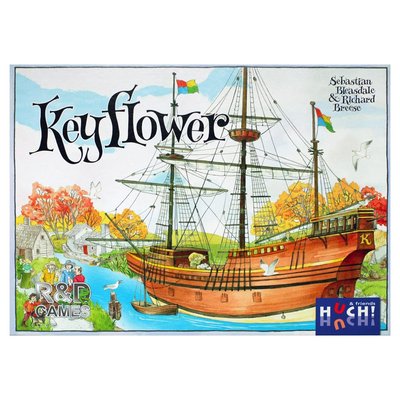
Usually, I mean, the auction games I played are the ones I considered and thought about for this list. It was almost always tact tactics like heavy and that's like games like um Modern Art and Skyrise I was thinking about too. Um they just like so much of the and even keyflower which we'll probably get into it later like so much of the g the best parts of those games are the auction and bidian that uh aspect of them usually is tactical but there is for sure still a strategy element to different degrees in all of them but like I think I would consider all those like either 50/50 or skewing more tactical.
Okay. Yeah. Gotcha. Okay. So, what inherently, and now we're talking just outside of like specific genres or game mechanisms or whatnot, but what in inherently makes a game more strategic or more tactical? Is there anything you can think of?
Yeah. So, for me, like the one thing that came to mind is that like when tactics hold more when tactics hold more weight, the a game like it might sound redundant, but like when tactics hold more weight, the game becomes more tactical. And what I mean by that is that like when you can make a single tactical decision and it can either cost you the game or um or really swing the game or whatever, suddenly tactics matter more versus like you can have a game that has a whole bunch of tactical decisions, but like if each one doesn't like shift the game a lot, it can feel like you end up having to do more strategic planning to be like how am I going to use all these tactical decisions together to form a victory to get more points versus if you're able to do one really solid tactical move and like put your opponent in a pinch where suddenly they're like on the back foot the entire game. That to me feels like a m like a much heavier tactical experience because you have to be aware of every minutia, all these possible little decisions you could be making. So like in some ways it might seem obvious, but to me it's just like it's almost like the more gravity and the more consequences maybe is the right right way to say it. like the more consequences behind you making the wrong tact tactical decision. Suddenly the more that it it leans as a tactical game to me. Um because in many ways like I feel like every game has tact like I I think most games have tactical decisions and strategic decisions in them to some degree. It's just like as soon as
there's more weight there suddenly it's hard it's skews more to that one side because you have no choice but to consider it to perform well. There was one question I wrote down that I wanted wanted to ask you though and like around this is does a game become more or less strategic just based on the se severity of consequences um alone? Like I if if there's if there's if you're playing a game and the consequences behind what you're doing are more like even take like a splatter game, right? where you can make these like decisions really early on that cost you the game. Does it inherently right away just make the game have to be more strategic and approached more strategic because even though there might be a bunch of tactical decisions, it's forcing you to sit back and really analyze and start asking the question like am I about to put myself in a corner? Am I going to do like does it just is essentially like do you think that strategy g games are more heavy on strategy if there's more consequences?
I don't know that I was about to say yes to a lot, but that last sentence you asked me, not just I don't think the more consequences, but I think the earlier in the game, like if you can feel like you're out of the game early in a lot of those ones, like I'm trying to think of specific examples without stepping too much on games we're going to be talking about later, but I think like we said like Splatter was the first thing that came to mind too. People always talk about like you can lose the the game on the first turn. That is definitely I think a hallmark of like a very strategic game because that's telling you, you know, that you you your plan from the beginning needs to be sound and you can't take like misstep right off the bat otherwise it's like the whole it's like your train comes off the rails and it's too much effort like you can't get back on kind of thing.
Sure. Yeah. The consequence thing was more just like if if you're like even halfway into a game and you can still be making decisions where like you can rebound easily and stuff. It like in my in my head it's like it then puts it into a position where it's like you can you can experiment more. You can try this and if it doesn't work you can still pivot. Like the more opportunities to pivot it almost feels like that inherently makes it less strategic and more tactical because it's incentivizing you to pivot and and and consider other options stuff. But as soon as the room for pivoting is less and as soon as like the consequences for you doing something are more extreme, you have no choice but to plan to do well. And so like in many ways it's like if you're planning and thinking long term, suddenly it becomes more strategic. And the more I thought about it, it was more like it was more like the consequences force you to do that, right? Like when there's more gravity behind the decisions.
Okay. I think another thing that I think makes games can make something either more strategic or more tactical is I think the amount of information that is available to you at the start of the game like the percentage of what will be revealed throughout the game. Um it's like the more the more stuff that's going to be introduced throughout the game that wasn't available to you at the start like let's turn over some new cards or you're like drawing new cards every round or like let's turn over a new event card and see what we have to do this round. Like the more of those things that come up, I think the more tactical a game is. Whereas there are games where like I'm going to give an example of um The Voyages of Marco Polo or Taj Mahal where like these things are like you you can see pretty much like everything laid out at the start of the game. It's like a variable setup and you can look around and see everything.
Those feel very strategic because round after round we're not introducing a whole lot of new stuff into the mix. So, you can be halfway into the game and kind of thinking like, "Oh, if I would have if I was better at this game or if I thought about it more, I could have seen this coming." And I think that's that makes it inherently more strategic.
Yeah, that's a really good point. Well said.
I think also games that feel like um whether it's a board or something where it feels like a blank canvas where you're like building something together or it's like an empty board that's going to be filled up, like spaces are going to be filled up, there's no new info. Um that's a lot of like tile lane games obviously fall into that um are much more tactical just because you're constantly having to reassess based on how things are taking shape. That's interesting. Even now that you said that, it made me think like even just using the back side of the board in a zoo is a more strategic version of a zoo because you have to now consider ahead of time where you're placing your colored tiles to make sure you don't leave yourself in a trap where you have ones you can't place, which I've done before on that side of the board versus the front side, which you don't have to think that long term because that you have to put them in specific spots so you know where it's going to end up, right? So, it's like it's interesting that like that's an example of how a Thailand game could suddenly become more strategic just by opening up the decisions you have where you place them, right?
True. Yeah. Uh, last one that comes to mind, well, lump these in together is like either like private objectives that you're given at the start or like asymmetric powers or like variable player powers that are very strong. As soon as you're given a thing where it's like when you do this, you actually get two of these or your character can do this. Now you have like the game is setting you on a path and almost telling you lean into this and play this way in order to succeed. If you're not taking advantage of the benefits of your character or your faction or whatever, you're just probably not going to keep up with a better player who is taking advantage of theirs. All right, so now we're going to move on to uh talking about what are some of the strategic and tactical games that we like and dislike. So, first off, what's the most strategic game that you've played and the most strategic one that you like and dislike?
So, the ones I wrote down for most strategic, I don't know which I like I didn't say which of these is the most, but there's five I wrote down that I would consider as like the top echelon for like biggest strategy games for me. I have Terraforming Mars. I I put I sorry, not Terrifying Mars, Terrammystica. I wrote it down as TM on this on the sheet and I I set myself up there. Terrammystica. Um I put Clans of Calonia there as well, but I would say that um Terrammystica in my opinion is more strategic than Clans of Calonia because it has a few more systems, a few other things to consider that just like make it more strategic. Both would be in there for strategy games. Collions in there, Feast for Odin, Brass Birmingham. But the one I wanted to highlight that I put here is Zul and the mine calendar. And the reason I want to bring that one up is that like that is an interesting uh worker placement game in that it's more strategic because you're not you're actually having to like yes I want to take this action but you can't just take it. You have to put your worker there wait for it to get to the point where you're able to take that action and then the tactics come into play where you might also have to adapt and take a different action or leave it on that gear longer because of the way the game changes. But you have no choice but to plan to say I want this action but I want it in three turns from now or but I also have to plan to be like I want to try to take back as many workers as I can from the gears when I do that cuz that's you you can't place on the same turn that you take them back. And so I just like that to me is an interesting one in that that might end up being one of the more uh strategical games that
I've played and enjoyed just by the fact that it has this really unique way of doing workplacement that doesn't get used very often. That is such a great pick. I I love that. And there's also the buildings you can get early that give you like powers and you have to also be thinking about like having enough corn to feed your your people and so and other people can kind of make things uh the gears turn quicker and so then you're having to like yeah maybe pull your workers off earlier than you wanted to. So yeah, that's a really really good shout. It's a very strategic game. Okay. And uh what about a a strategic game that you or sorry I'll go and then we'll go with the ones we dislike. So, um, I already mentioned Taj Mahal and The Voyages of Marco Polo, those are among the two most strategic games that I like a lot, but in terms of games that I like, what's my favorite game that is very strategic would probably have to be a Gricola just because of I mean, especially with the drafting when you're drafting your hand of cards, but you have this before the game starts, you have 14 cards in your hand. You're not going to get any more throughout the game. Nobody can see what you're holding. Obviously from the draft people might know what's out there. Um but you really really really have to make a plan in that game and um maybe we'll you know I'll leave it at that for a Gria because we might circle back to it later. Okay.
And in terms of one that I dislike, I would say the one that stands out most is probably Kingdom Rush Rift in Time, which is that kind of like scenario-based Polyomino uh game. And like that's one of those ones where you really have to have a plan of like what you're going to do in advance. But um and I I won't get into it here if anyone wants to know more of what I thought about it. I talked about it was one of my very first curating my collection episodes cuz I bought the game and really tried to play it and really tried to enjoy it and and didn't end up liking it at all. Um, but I would also throw games like Charter Stone, Merchants of the Dark Road, and even Terraforming Mars Aries Expedition. These are all games that feel I mean Terraforming Mars Aries Expedition maybe leans slightly more tactical. It's not super strategic, but the other ones all feel like they're definitely more strategy games, and I just I don't really like those other ones that much. Yeah, in general I would say that like for me what I think makes me not like a strategy game is if it doesn't feel like there's this if it feels anticlimactic like it there needs to be I I a lot of the strategy games I gravitate towards or play are like 2 to threehour games and if if it feels like at the end of your strategy like the only thing that you're you're sort of rewarded with is the victory. It it's funny to say, but like that's I would I I would rather have this amazing like moment or this amazing culmination to my strategy and still lose and and then I would to say my strategy came together, but it just kind of felt underwhelming and I won, you know? Like it it's it's it's more about that like the high of being like, "Oh my god, like look how I
got like 30 points on one turn because I planned to like have everything culminate this way." like it needs to have that like crescendo for me to be like really satisfied with a strategy game. If it doesn't have that, it always kind of leaves me like feeling like, oh well, what did I just work towards?
Right. So, are you saying like the more point salady ones you're just like collecting points, collecting points, collecting points, then at the end we just compare points and you see you win and it's hard to figure out like where you went right.
It's it's hard. I would say that like if a strategy game is more like point sality that way and there's and there's not like some like you know you're comboing or chaining together or you're getting these ability cards that sort of like allow you to do this huge turn or something. There's not something that you there's a payoff to your strategy beyond the victory. there has to be a payoff for me to like to have it come together or the reason there isn't a payoff is because I did a bad job with my strategy cuz then that incentivizes me to come back and say okay hang on let me see if I can do this better to get that payoff but I need to be able to see that light at the end of the tunnel if if if the only payoff is just like you know you got three gold it's just like well okay like that and even if I win like it's just like I'm like what that just like why did I put all this planning And just to be like, you got three resources for that. You like there has to be something that feels great about it.
Yeah. Okay. So, the game has to give you appropriate feedback. Like the reward has to match the the level of effort you put in kind of thing.
Yeah. And that could be in the form of like a single great turn or that could be in the form of like an engine that gets out of control, whatever.
Yeah. Okay. Cool. All right. So, what about uh what's the most tactical game that you've played or that you like or dislike?
Yeah. Some of the ones I wrote down for this uh Toy Battle because I've been playing so much of it is is a very tactical one, but I also just put Paulo Mory games, not all of his games, but I think like Caesar Caesar Roman 20 minutes, like that's another very tactical game. Um, and a lot of his tend to have that feel to them. And so that's where I'm getting a lot of my tactical itch itches scratched these days. Um,
Libertalia as well. Totally is quite tactical. Yeah.
Yeah. Um, Through the Desert I wrote down Kingdom Builder as another one. Millia Fiori, uh, Radlands, um, Ironwood is is really tactical and and it's it's a really well done tactical game. I put RAW as well, which I mentioned earlier. So, yeah, those are like probably some of the ones that are most tactical. There there's others. There's Patterns and and stuff like that, but like I didn't want the list to get too long. I don't know which one I would consider the most tactical out of all those, but they would be like they'd all be in contention for me. The ones that are the most tactical that I can think of that I also just absolutely love, like these games are both 10 out of 10 games for me, um, are Tiger Euphrates and Bus. Those games are just both so so tactical and I I just they feel infinitely replayable. And part of it is that they it feels like so much of the game is just about the players around the table and constantly reacting, trying to read people's intentions, trying to reassess the g the board state, who's, you know, in the lead right now, who's maybe making a comeback, who do I not need to worry about as much, how can I get back in the game, how can I defend my lead from people coming after me, all that kind of stuff. Um, El Grande is also very tactical. Um, but I don't quite put it on the same level as the other two games I mentioned. Okay. And uh do you have anyone any you dislike that you can think of here?
Your head was tough for me. Also,
you know what's funny is that [clears throat] tactical games are the ones that annoy me the most. And it doesn't I'm not that has no no bearing on whether I like them or not or or dislike them. It's just that like there's more opportunity for me to dislike tactical games than strategy games because a lot of I don't know how to describe this. A lot of tactical moves that are absolutely legal, absolutely in the rules of the game and you like and should be expected don't feel good to me as a player. And that's just a personal thing. It's just like it's the reason I can play so many games of Toy Battle and Zenith and be so frustr frustrated sometimes because there's certain tactical decisions that it's just like I again we've talked about this. I'm not willing to go to this certain place, but I know that place exists, and so someone else being willing to go there makes the game less enjoyable for me. But they're not doing anything wrong. They're just playing it like more tactically than I want to play it. Like there's I [snorts] want to play certain tactical games, but there's like a ceiling for how tactical I want to get. Like like trying to think what's on someone's tray in toy battle. I still don't do that because I just don't enjoy it. Like I don't enjoy the deduction of sitting there being like, "Okay, so they've used two unicorns, one of these, there's four that are removed." Like what are the chances? Um probably okay to make this chance 25%. Like I don't enjoy that. But I don't fault other people for doing it. It's just like it leaves me in a weird spot where I'm always at a disadvantage then.
Right. Okay. That's interesting. But what about what about going back like we've talked about the optimization thing. What about stuff like you've brought up like certain tiles in Castles of Burgundy. Like if this tile is available, someone's always going to take it. Or like there's a standard opening for like if you play a specific like let's say a game like Routt, if you have a specific faction, there's a specific opening. To me, those feel more strategic if anything because you're almost like I don't want to say fully on rails, but you're kind of like set on a path and you can read strategy guides that will tell you like if you're playing this faction, it's really good to start with either this or this and you really have to lean into this and if you haven't achieved this by X round or whatever, or like in order to win, you probably are going to have to do this by the end. Like they feel a little more prescribed almost when they become too strategic and and and when you're trying to optimize and have that competitive scene. Would you agree with that?
Yeah, I think that like it would be like in a using your example of route like if there if you're playing competitively and with this faction mix there's a certain opening or certain beginning you're supposed to be doing that all of a sudden becomes strategic because you're aware of that and you're following that based on the things that are going to give you a better chance to win. But as soon as people start making tactical moves or decisions that put you like it sort of throw that to the wind or give you or make the the decision tree open up where suddenly there's like well there's four responses I can give here and each of those responses there's another four responses that I could do. Then all of a sudden it becomes more tactical so it can like start in a place of more strategy and then become more tactical just based on the players at the table maybe.
Okay. Um I'll throw out the one that came to mind. It took a while for me to settle on this. I actually had to go into my Boorgge Geek profile and look at my like lowest rated games to be like, "Oh yeah, I guess this is tactical technically." And it's going to be like the word tactical shouldn't even be associated with this game because it feels like there's almost no decision-m involved. But Exploding Kittens is probably my least the least enjoyable tactical game I've played. And what I mean by that is just that like you just you have some cards in your hand and a lot of it is just random. You're just like playing cards, see what happens. You're whatever. I'm not even going to get into most people have played it know what it is kind of thing. Uh but that's a game where it just in many ways it feels like it plays itself or it's just an exercise and like let's go through this deck. You get some cards, you play some cards and you just kind of see what happens and it tries to build the tension of are you going to explode or not kind of thing. But like I don't know. I just I' I've never enjoyed my plays of that game. Um, and it again it feels weird to use the word tactical because it it almost implies that there's like some highlevel thinking involved or that you're doing like clever moves, but it's just a matter of like what do I have in my hand? What's in play? Am I likely to explode now? Am I not? But I just I I really don't like that game.
Yeah, I mean, I don't like it either, and it's been a while since I've played it. But, uh, yeah, maybe we're going to get a bunch of Exploding Kittens fans bombarding us with complaints now.
Oh, yeah. All those all those Exploding Kittens fans who have been following our YouTube channel over the year, who've now followed our our podcast. Yeah. Just
just been hearing about them for years. No. Um Okay. And lastly I think here is um so are there like in general is there an ideal ratio for you when you think like if you were to like design a game or you were to commission a designer to make a game for you? Are you like this is the percentage of tactics versus strategy that I want or if you think about your like favorite games of all time do you see a pattern there at all? I would say on average I would I would say my ideal ratio sits around like 6040 or 6535 strategy. And the re the reason why is similar to something you've said in the past to do with um the reason you like push your luck games or like being able to um do that kind of those risky decisions in a space that's safe because you live your life not as risky kind of thing. Um, for me, I'm someone who I always come back to this quote that um I was going to say it's not it's not my dad's quote, but my dad's the one who always recited this quote to me, which is life is what's happening when you're making well life is what happens when is when you make other plans. Um, and for like probably like a decade now, I just feel like I've [snorts] maybe even more.
I just like live my life not really making plans because in my experience and in my life, plans always get uprooted. I always I changed jobs a bunch. I moved to different provinces that like it there's so much that has changed in my life that I never accounted for and never planned for and never had a strategy for or even if I did, I had to adjust and I had to adapt and I had to pivot. um that it's kind of it's it feels good for me to play a strategy game where I can safely like plan a strategy and even if it doesn't come together, it makes me be like, well, next time I'm going to try this build or maybe I can try to optimize this build a little bit better and not have to worry about those same kind of consequences or not be as frustrated when life happens, so to speak. Um, so I I think like it's not and again that might change like right now I'm I'm feeling very tactical these days with the games that I'm playing. But I think in general if I have to choose to sit down and play one or the other like I'm I usually get more enjoyment from playing a strategy game cuz I just get to see my plans play out longer. I get to see other people's plans play out longer. The player [snorts] interaction doesn't feel quite as take that or mean.
And if it does, it's usually like in the tactics aspect of that strategy and less in the strategy that we're we're doing. Like yeah, it's just I think that's where I gravitate and that's where I get more of my enjoyment from.
Okay. I'm like I'm not super surprised to hear that, but I am a little surprised. I mean, I would have guessed that you would have leaned a little bit more towards strategic. And I guess now that I think about like a lot of your favorite games, like it does make sense, especially like you do tend to prefer heavier games a little bit more than me or so that makes sense. Um, but this is somewhere where we definitely differ and I would say when I was getting into the hobby and early on and the games I was seeking out initially, I was probably closer to where you are. Um, but now I would say I definitely prefer games that lean more heavily on the tactics. Um, but like ideally I like having somewhere around like 20 to 30% of the game feel like there's strategy. Like I like when you can look at the board like there's there are very few things I like more than being able to assess a board before the game starts and make a plan. Like you brought up Kingdom Builder earlier.
We can also talk Winter Kingdom, but a game where you can look at a map, look at the scoring conditions, look at the powers that you depending which game you're talking about, the powers are either on the board or in your hand, whether we're talking kingdom builder or winter kingdom, where you can make this kind of plan, but then like every single turn is a new set of decisions that you have to make. And so the game I want games to feel probably like at least 60 to 70% tactical, but I love it when you can have a strategy right from the start. Even if again like I mentioned tigers and phrase and bus like you can't really have much of a strategy in those games at the start. So there are exceptions but um
yeah like Taj Mahal we've talked about a lot recently is a great example of that. Yeah.
Yeah. Yeah. Okay. So we've kind of grouped these into sort of some you know loose categories and uh just to be clear here the way we're going to kind of refer to these in terms of terminology like if I say something is 8020 tactical I mean that that's 80% tactical. So whatever whether we say it's tactical or strategic that you know term is going to apply to the higher number um just just to be clear there. So okay so let's talk about some heavy games first. So we talked about you brought up actually Terrammystica um earlier. So I'm going to lump Terrammystica and Age of Innovation together and I know I've put you on the spot to go first for pretty much everything here. So I'll go first for some of these. I'm going to suggest that or propose that Terrammystica/Age of Innovation are probably 8020 STR strategic. And I will say this though with the caveat that early game they might even be 9010 strategic because especially when you like so much of the board is like you know exactly which scoring conditions are going to happen in which round. you know which faction you have and like how your faction works, all that kind of stuff. Like there isn't a whole lot of new information being introduced throughout the game. However, I think as the game goes on, like the last round or two probably feels much more tactical because you're looking at like what's left out there, what is left that I can do to kind of like scr up any final points or like meet that that goal or the the goals of that strategy I set out as much as possible at the end. And I think the when you get into like
drafting factions and you're at high level play, I think it just becomes even more more strategic probably.
Yeah, I had 80 I had 8020 as well. I think that like I would just the only thing I would add is it really depends to on the the faction that you're using. Some factions like you get way more points out of them and you have to lean more into a specific strategy whereas other factions almost open up tactical opportunities for you or things you have to consider about your opponent and stuff. And the same thing goes for like Clans of Calonia and the same kind of range. Like I think you can find yourself in more tactical or strategic games based on who you're playing and how you're playing them.
That's a really good point. That's a really good point. I hadn't even considered that but you're absolutely right. I think if you have like factions that give you more like uh of like the what's it called like power or whatever and the fact that like power gives you so much flexibility then that maybe makes things open more whereas if you have something that has yeah it feels a little more specific it might feel a little more restrictive then it might feel more strategic cuz you don't have as many opportunities to kind of pivot. So okay so now let's talk about Gloom Haven. We're going to break this into like the campaign game itself. So like how strategic or tactile is it like from the start of the campaign and then we'll talk about individual scenarios.
So in my opinion Oh sorry you go. I was just going to say I I know that you had it written down that way, but I kind of went against your your rule for that one. And I did lump them together because I I in many ways I feel like it doesn't like so what I have is I I think Gloom Haven is a more tactical game than it is a strategic game, but I think it's like I I think I have it as like 7030 strat tactics to to strategy. And I consider that like the bulk of what you're doing in Gloom Haven is the scenarios. When you're outside the scenarios, it a lot of it is like which cards am I bringing with me? Like what what do we know? What kind of enemies are in this scenario? What's the goal that we have to do? Like where's the story guiding us? And that's kind of informing the decisions on like how you upgrade your character, how you build your deck and stuff. So a lot of the strategy comes out there and there is strategy still that comes out in the individual scenarios in terms of like okay we have to get to this room by this time so we have to use these type of cards we have to put more emphasis on movement or whatever but like the amount that changes we would come up with plans all the time and then it would be like well the the enemies moved this way or we drew this enemy card and suddenly you have to throw all your plans to the wind right or like everyone's guarding so all of our attacks do nothing now so like I it very much. It might even be more than 7030, but I have it as a much more tactical game.
Okay. No, I think we we don't differ that much on this, but I have I think the campaign game itself has a very different ratio than individual scenarios. I think the campaign is probably 8020 tactical because you're constantly like unlocking characters. You're unlocking new scenarios that you might have options between like multiple scenarios to go to. You're unlocking new items, new enhancements, etc. like there's so many things that you don't have access to at the start of the game. Um, so I think that makes it much more tactical. The scenarios I really struggled with. I I kind of settled on like it's somewhere around 50/50 I think because I think you absolutely need to have a plan. There are so many scenarios where we would lose in the first room because we just didn't have a good plan and we realized two turns in like what were we doing? like why did so and so run in here and they just get attacked by enemies or like why did we open that door and go into that room and now more enemies are in the room. Like the the times we lost felt like it was as a result of poor planning. But you also like absolutely need to be ready to reassess and adapt at all times because you know you don't know what other players actions are going to be, what what cards people are going to play, what initiative order are going to happen, which cards you going to lose when you do your long rests. Um, are are you going to flip over like a crit or a null from the uh what's it called? Like the enemy deck or whatever. Like which new enemies might appear that you don't know of? Are is there going to be a treasure chest suddenly in the hidden room? Like there's so many things that come into play. Um, so I think overall the game is definitely more tactical, but in the scenarios I think the
scenarios that we did the best at I think were where we had a sound strategy from the beginning and executed it to perfection. But it wasn't always possible to do that in every in every scenario. Okay, the last or or maybe one of one of the last ones we'll keep in this heavy section. We'll see we'll see if you want to bring up a fourth game after, but uh A Feast for Odin. So your your former number one game of all time.
Yeah. Yeah, definitely more strategic. I to be honest, like I don't think that as a work of play game, this is a great example of one that has like a lot of tactical decisions. There are times when you have to do some, you know, little tactical decision-m things that are going to really influence what the how the game is going to go for you. But in general, it like it's like you go into an exploration board and like now you're forming a strategy with like how well how are you going to fill up that board in time before the end of the game to get the minuses covered up or am I going to go into sheep and like and if I go into sheep like I you need to go in enough to get enough points from it to make it worth it. there there is tactical decisions but like I don't get blocked a whole ton when I play feast road and I mean I'm playing at two players and three players generally like it it does at times feel like there's moments of player interaction throughout there's times where I do get blocked but it is like two people doing their own separate strategies on the same board and you're watching them executed so I had it at at like somewhere around 8020 for uh strategy okay this one we pretty much agree on then I had 7525 at least but maybe 8020 strategy as Well, you have your one initial occupation card. A lot of the time you're going to try to make a plan based on that. But then even then, because of how much of it builds on like your income on your main island or like do you want to go for an early island and if so, which one? Are you going for one that has bonuses or more income? Do you need a specific ship that helps you either do like more whaling or more raiding or pillaging? Are you going for
early immigration strategy? Or like if you're going to get into animals at all, like you may as well do it right from the start and have a specific plan. So, yeah, definitely a much much more strategic uh game there. Okay. Do you want to move on to Midway Euros or do you want to do you want to bring up this fourth uh fourth game here?
No, let's go to Midway Euros.
All right, we'll go to Midway Euros. So, uh let's start with Dune Imperium. One of the most uh popular and and you know, highly ranked games of the past, you know, few years. Um, it's been it's now been about a year or two since I've played it, but I would say it's probably like 6040 tactical.
Okay.
I think I had it I had it as one of my 50/50s. And that's main that's mainly because the deck building aspect to me like you're always uh considering like a longer term strategy of what you're trying to do with these cards, getting the right symbols to be able to access certain spaces and stuff like that. But it is a very tactical um worker placement game because this it is fighty for the locations. There is the combat aspect that that's taking place that is like where you're revealing these like um ambush cards or whatever they're called. They're not ambush but it's something like that uh intrigue cards and stuff like that. Like there's a lot of aspects that are very tactical. It's just that deck building for me always gives it a really high percentage of strategy because that's how I approach deck building games. They're they're giving me opportunities for more tactical decisions, but there's a strategy I'm forming and how I'm building my deck
for sure. And just because we're not going to probably get talk about Dominion later, I'm just going to make a quick comparison to Dominion because a Dominion style deck builder where you have like 10 different piles of cards feels very strategic because you know which cards are going to be available to you to get for the whole game. That's like a very strategic game. Whereas games like Dune Imperium that also use this card market that you see in games like Hero Realms and Ascension, those feel like they're not quite as strategic of deck builders just because you have to be reassessing based on what's available for you to actually get in the market.
Yeah.
Rather than knowing what's available to you from the start for the whole game. Um but yeah, you have your Yeah. Not only that, the cards you draw, too. Like, you're having to look what actions are even going to be, what what spaces are going to be available to me on the board based on which cards I have because that determines where I can go. How many troops do other people have in the battle? What are the rewards for this round? You know, if you plan to take an action and someone takes that resource and there's no other way to get it, you have to pivot. So, yeah, I think that's part of the reason why people love the game so much is the the way that it so successfully blends strategy and tactics together. Okay, so now Hanza Tutonica. I'm going to say this one is at least 8020 tactical. It might even be 9010. Yeah, I didn't I didn't put down a ratio for this one because I it's the times I played it's few and far between. I didn't feel confident putting one, but absolutely like it it would be high on the tactics. Like it it it's not a it's not a modular boards. There's not a bunch of stuff that's changing. And the way that you're analyzing the board at the start, at least the times I've played, it matters. But what matters more is like where does the first player go? Where are you competing with? Like do I think I can get the this um upgrade first? So something that that's really competitive, I'm going to go for this upgrade instead or I'm going to put pressure here. It just feels like right off the bat like when one turn happens and suddenly you're in a tactical game.
Yeah, that's Yeah, very well put. I I feel like the first couple times we played, we saw the the person who won was the person who ended up having like getting the the most actions quickly. And so I then in future games I try like probably, you know, to my own detriment tried going in with a an unnecessary strategy of like I'm going to specifically try to win without leaning into that early. I'm going to try to go a different route and see if I can win just to see like I don't want the game to be reliant on that kind of strategy. But I feel like every time I've tried to be like stubborn about a strategy in that game is when I've lost. And we talked about like I won my first game of it on like maybe my eighth play. And I think it was the one time where I didn't let any sort of strategy like color in too much. Like I I made myself constantly reassess and keep asking myself, is this still the right thing to do? Do I still want to follow through on this or do I have to pivot now because of what people did? And I think that's the key to winning against strong players in that is like always having to make those tactical reassessments.
Okay. What about bus? Very tactical. Um I I think what did I have? at 8515. I gave it a little but like there's strategy but for me what I when I think strategy and bus I think of like where you're putting your your routes and and you know where you're branching out and where you're placing some of the the offices or or pubs and stuff like that. But so much gets upended in bus. So much like all the passengers move around, people intersect like people stop time. Like there's so many things that are just shifting on a turn-by-turn basis that it just feels like one of those games where for me the more I approached it tried to approach it strategically the more frustrated I got and the more I leaned into the tactics and kind of just like going on the on the fly the better I did and the more fun I had with it.
Yeah. Yep. I agree. I although I have it even high I had it at 9010. I even put in brackets 955 question mark because like I don't even like there's there's the game is almost always the exact same from the setup. There's very little different other than your starting little placement and where you put your two and I remember the first few time we like asking ourselves when we played it the first few times like what even is a good move at the start. Like what should I be doing? like can I even like other than the the pubs like the three locations like the pubs, the like homes and the workplaces or whatever it is is like I don't know like can I really make a strategy just based on where these are? Like the second I try to do something someone takes the action I wanted and there goes my strategy. So like what's the point? You can start to form a bit of a strategy as the game develops maybe like oh I have this strategy that now it's round three I'm going to have the strategy that by round five I want to achieve this or or whatever. But yeah, definitely very very like much more tactical uh similar to what I'd said before about that and Tigers and Euphrates being like the most tactical games that I love. Okay, before we move on from the midweight euros, I'm just going to quick I just wanted to add this one thing about agricula before and I don't want to spend too much time on it, but the reason I struggle so much about to pinpoint because I've gone I could argue anywhere from 7030 strategic to 7030 tactical. Like straight up I think a gricola has that much of variance. Um, it's such a high skill level game and I honestly in the grand scheme of things I don't think I'm very good. Like I went on a long streak of just I probably lost like 20 games in a row playing arena mode against solid players and to really put me in my place and remind me that I'm not very good at
the game. Um, I would say this. I'd say beginners of a of a grippler are likely to play more tactically because it's really tough to plan a strategy when you don't have a feel for like the the way the game ramps up, the feeding, what you don't understand the power level of the cards and stuff. As you get better, I find the game starts to become more strategic. And that's kind of the level I got to is feeling like it was more of a strategic game. But then as you get even better, it feels like it kind of flips again to be more tactical. And that's where I'm starting to like absolutely get destroyed playing online is like when I get put up against better players. Doesn't matter how good my strategy is, I can see later the decisions that are happening throughout the game, those tactical moments where I go wrong and the other players are better than me. And it's just I can't think of many other games that have that curve of like feeling like it's more of one and the other depending on how skilled you are at the game and it kind of having this back and forth. So I struggle to really pinpoint that one. I don't know if you have much you want to add to Gria, but if not, I want to hear uh about Keyflower cuz Yeah.
Uh no, no. Like I think you nailed it for a Gria. I would have almost even been comfortable putting a Gria 50/50 because I just feel like it's there's so much of both and it depends on the cards and it depends on Yeah. the player and how many how often you've played for keyflower. I have key flowers as a 50/50. Um but I I think it could be more tactical. It's more just that like the there's so much tactics in the um the bidding and the auction and like how you maneuver that and how you get certain tiles and then also in terms of like once everyone's villages start to flesh out where you're placing your meuples, which ones you're willing to give up and everything. But the entire aspect of your village, if you go in with no strategy, it's possible to do well. you can just get all the ones that give you points and stuff, but like you need to have some strategy. Where am I getting my upgrades from? Where am I getting my movements from? Where am I getting my resources from? Like where where am I getting my endgame points from? Like there is a large strategy element, too.
So, I ended up just settling on 50/50 for that.
Yeah, for sure. I I add my mine at 50/50 as well. The winter tiles that in your hand at the start, as well as which tiles you actually get into your little village after the first round, really set you on a path. And then of course there's a ton of tactical decisions throughout, but I I mean I love the blend of strategy and tactics. What what a beautiful game.
Okay, let's move into some more like light medium. So we're not talking like super lightweight games, but these are obviously a step down in complexity from the kind of midweight euros we were talking about. So let's start with Carcasson. What do you think?
I I fluctuated between it feeling like it could it could be a 50/50 game to feeling like it's a 7030 tactics game. It feels more tactical when I play it at two players especially, but at the same time like everything I'm usually doing there's a there's nothing you like there's nothing you're looking able to analyze at the start of the game like you it's it's tactical at the start but as the game goes on suddenly it's like well I have this strategy I've committed to over here to try to like get into the city or I have this strategy I've committed to over here to try to like finish this road or or to get this chapel surrounded. So it's like the strategies are like emergent. It starts as a very like 70 30 80 20 9010 tactical game and then I feel like by the end it's closer to being a 50-50 game.
I'm so proud Dylan as as as someone who's been playing Carcass Lord for like 20 years and considering how new you are to it, I just Yeah, I love the way you see the game. Love the way you assess it because yeah, I had it here. I said that it's tough but probably starts off same thing either 8020 or 9010 tactical. There's no way to have a real strategy before the game starts. It's like you can't just look at your one tile and hand be like this game I'm going to make a bunch of big cities. Like okay, what if you don't draw like city tiles? Like you just can't do it, right? You really are at the mercy of what you draw. But definitely you start to have these little you can either have one overarching strategy or these little mini strategies that start to develop as the game starts. Like if you've committed three of your meuples to this one field, well, you better lean into the strategy of building a bunch of small cities there so that those meuples are going to be worth a lot uh for farm points, right? So little things like that. or you see your opponents getting low on meeples, you now you have a strategy to kind of like strand their meuples uh or that sort of thing. So, okay. What about Ticket to Ride?
Ticket to Ride I had as being it really depends how you play Ticket to Ride. I feel like the average person playing Ticket to Ride or like gateway game or whatever, it's going to feel like a more strategic game because you're going to get your your uh destination tickets and you're going to let that kind of shape what you're doing. But I feel like if you're if you played it a lot and you're like getting into blocking people and you're like looking at which routes are getting like someone's getting close to route that if it gets blocked, you're going to have a hard time getting to your destination. It becomes more tactical and you start to like but like lean into like the tactics of it. But I think probably in general it's sitting at like being like a like a 6535 strategy of 6040 something like that. Maybe 50/50 is where it ends up, but I think it just depends on the player, the map you're using, things like that.
Okay. Yeah, I had it at 50/50, but I didn't feel super I had a question mark right next to it because and this one almost has the opposite arc of Carcasson where you start off with your strategy cuz you have your tickets and especially that long route. You're like, "Okay, I need to get from like Madrid to Kadis or whatever it is." Um or or what like to to because if I don't get this, I'm going to lose so many points. But as the game goes on, you start to have to make more tactical decisions. And and just quickly, I should also mention both for Ticket to Ride and Carcasson, player count plays a big factor. Um like Carcasson, when you're up to five players, it's much more tactical than strategic cuz you're just like, where can I get points on my turn? That's all I can really care about. Um and Ticket to Ride, obviously, if it's two-player game, it's easier to meet the goals of your strategy. With five players, four players, it's way more congested congested, and you have to make those tactical decisions more often. So, we're not going to have to we're not going to be touching on player count for every single game here. So, I just wanted to throw that in real quick. Okay. Throw uh through the desert much more tactical.
Um there's still strategy. I would probably put it at like an 8020. This like the strategy for me, I've been playing more two-player through the desert in um recent months. And I feel like those first couple leader placements, it's tactical. And then as soon as there's like three leaders out there, suddenly I'm looking at the board and saying, "Okay, now I can actually like analyze and say, okay, they haven't put any leaders over here. I have an opportunity if I put mine on this spot to not only get these tiles, but to also potentially be able to like close off this entire area to score a bunch of points, but then as soon as you start playing, it just feels like full tactics to me. Like I'm not I abandon strategies really quickly. I adopt little ones and then when they get completed, I'm back to tactics." So like much more tactical to me, but there's definitely room for strategy and especially with the expansion and like the other side of the board there, it even opens up more doors for strategy, I think.
Okay. I definitely like I agree with you that it's definitely more tactical than strategic, but I have it a little closer. Like it's not quite 50/50, but I would say maybe 6040 tactical in my opinion, just because of how important I think those initial placements can be and the initial assessment of the board. It's not just where uh like it's where all those point tokens are and you're trying to assess where to go. But as soon as other people start putting those first caravan leaders out, you're looking at where theirs are and where yours are and do you want to spread out? Do you want to try and position yourself in a way that you think you can section off a part of the board where you can just like, you know, do the thing where you close a section off to just like scoop up all the point tokens and and lock down that that section for yourself at the end. So, I think there's a decent amount of strategy still, even though it's definitely more tactical. Yeah, agreed. Okay, so now we're going to talk about some light games, but we're going to be real quick here. We're just going to amalgamate. We had a list of a few of these. Um, and these are games we've all talked about on the channel recently, so we're not going to get into like what how they play and stuff, but games like Forale, Botswana, Trio, Lost Cities, and Battle Line, Can't Stop, Scout, etc.
What do you think? Are there any that feel significantly different than the others? Is there one that stands out as like the odd one out there for you?
The I put them all as like being more tactics based. the the the thing one I'll call out is just scout um is one that I think um gives more opportunities for strategy because you're looking at your entire hand of cards and you I've made strategies in scout where I thought okay if I can get rid of these cards suddenly my hand condenses in a way that gives you a much stronger play on a future turn and so I'm making these little micro strategies about my hand they don't always come to fruition I'm usually having to pivot but there is more strategy involved there but it's still I still had is more tactical.
Okay, I agree with you there. Um, every single one here I had ranging from probably like 70 to 90% tactical for the first ones, but scout I had probably like 6040 just because that initial hand of cards really is important. And also, it has that same thing that Lost Cities has with the multiple rounds where you can go into round four knowing you're really far behind. So, your strategy might just be I have to be really bold and try to get a huge hand and go out where everyone has a ton of cards left in their hands. So, I like that there's a little bit more strategy there in scout. Um, but I think Lost Cities and Battle Line are probably the next ones out of that grouping that would have a bit more strategy as well. Okay, so now for co-op, we're going to be real quick here. We're just going to talk about pandemic here. What do you think? I struggled a little bit with it, but I ended up I ended up putting it at possibly being 50/50 because you're there's a lot you can analyze and you can think about and you have to work together to craft strategies to deal with like the things that emerge. you don't a lot of those you aren't going to know what they are at the start of the game, but you will once you do and once the deck starts to like reset from the the it's been so long since I played, but like you start to see the same territory cards coming up like you can form the strategy that you understand what this game is going to look like, which territories are going to be problematic and everything and that sort of so it's like maybe it starts in a different place, but I think what the core of the game where it ends up kind of tends to be a 50/50.
I actually had it as 50/50 here as well. I I did have a question mark, too, cuz I was also a little on the fence. But yeah, the fact that you each have your roles and you have the starting cubes, like you can you definitely want to have a plan, especially for your first few turns, but the second you start revealing cards, you're like, "Uh-oh, guys, there's outbreaks in here. Like, we got to go here. We have to address this. We can't ignore this any longer." Like, you're constantly being torn away from the plans that you want to make. Okay. And lastly, we're going to pick something that's kind of its own thing here, and that's Magic the Gathering. Uh, we can also maybe very quickly touch on other like deck construction games. So, this isn't deck building games where you're building your deck in the game. These are games where you build a deck when you're not playing and then you use that deck to play. So, I'm going to default to you here first because you have you've been playing a lot more of it like more recently than me, like in recent years. Yeah, it's like I think it's a much maybe this will we'll see, but like I think it's a much more tactical game, but that's if that's when the game is being played and you're not deck building anymore. You everything about the deck building, everything about the cards you're putting in like why you're choosing them. If you're doing a draft, like the draft is very strategic in terms of like going for different builds or adapting to what you can to like say this is how I'm going to play this deck. this is how I imagine this deck performing ideally or or how what's going to win me games. But once you're actually playing, regardless of that strategy you came in in with like everything about what you're doing is like tactical and based on like what are
they playing from their hand? What are like how are you dealing with these problems on the board? You're just like having to execute the strategy in a tactical way. It's it's a it's a weird one to try to like explain and talk about, but like I ended up just saying it it's 50/50 if you if you consider the deck building aspect, but if you're just talking about like playing Magic the Gathering, like you have your decks and you're just starting drawing your cards and everything, then I have it being a much more tactical game of like, you know, 70 30 75 25 80 20 around there. Yeah, I I mostly agree. Although I even lean even more strongly into those as in like
I think the construction is almost like the deck construction building your decks when you're not playing is almost purely strategic and a and that playing the game is almost purely tactical because it almost feels like your strategy was set the moment you finished building your deck.
But I will say like yeah I was I was going to ask you because you know a lot more about like deck archetypes. It's like I haven't when we were playing when we were kids like I didn't really know about like proine what's what's actually good in the grand scheme of things. So, I want to ask you like are there decks that people make that are specifically like I don't know if those would be the right term for it, but like flex decks, like a deck that is supposed to be more flexible and give you more options rather than saying like my goal with this deck is to get these creatures out and then rush them or like my goal is to, you know,
Yeah.
Are there decks that are just specifically meant to be flexible?
100%. I I think it depends. Like I think about years and years ago when I was at a pre-release tournament and I got this card where it's like it's this like ridiculous overpowered card for four mana. It's like four mana 7 seven flying trample lifelink or something like that but it has this uh downside which is you can't win the game and your opponent can't lose the game. And so the goal with that card is you get them to a negative life total and then you kill your own creature or sacrifice and then they immediately lose the game. And it was so much fun to play. And that was like I that was my strategy. Like I I built my deck that way. And even though I'm making tactical decisions every game was I had ways to try to pull that card out of my deck to find that creature card and then I had a bunch of sacrifice cards and I had to get to them and I had to sacrifice that thing and I was executing that strategy. And if I if I did well with executing it, I won games.
And if I didn't, I didn't have a plan B and that was my that was my deck. So it m it fluctuates. Magic can be all over the spectrum. I just feel like for me I in the ways that I play when I'm which is usually limited play like um cons um sealed and draft I am playing in a more tactical way.
Right. I guess I'm realizing the error of me saying it's almost purely tactical now just because like if you have a deck that's more supposed to be like reactive like a type of deck that's like slowing your opponent down or controlling your opponent that's probably going to feel more tactical. Whereas if you have like I don't remember the name of the card, but there was that card that's like it's an enchantment and when you have if you have at the start of your turn if you have 20 cards in your graveyard you win the game or whatever like that feels like a very strategy focused deck because that is your goal.
And the only other you know if unless you have some fire you have to put out on your opponent's board or you have to take a mulligan or pivot because you don't have enough mana or something. It feels like you just have that one that one goal in mind with a deck like that, right? All right. All right, I think uh I think we're going to leave it there. This this was a lot of fun. I really enjoyed this. It's it's really interesting to look at games through this lens, and I feel like it's going to make us keep looking at games through this lens more and more going forward.
Yeah, agreed.
Um yeah, I'd be curious to hear what what people think here. You know, if um we're obviously we have our Discord server. You can come chat with people. I know people are going to be uh chiming in on this and letting us know what kind of like favorite strategic or tactical games um you know they they like most or what kind of like ratio is ideal for them. So come join us in our Discord. Um just a reminder again about the Golden Geek nominations that we mentioned at the beginning of the episode. I won't rehash that here. Um you can find all of our videos and the majority of our content on our YouTube YouTube channel as always YouTube.com/allucin board. And if you'd like to support the show, please consider leaving a review on your podcast platform of choice or of course uh you know just help spread the word by recommending us to someone you know or online somewhere. And of course lastly, if you're interested in supporting us financially so we can continue to grow All you Can Board and you know keep doing this and keep improving. Um you can check out our Patreon page at www.patreon.com/allboard.
Otherwise, this has been episode 7 of the All You Can Board podcast. Thank you as always for listening and we hope you'll join us again in 2 weeks for episode 8. Take care. See you.