AYCB Podcast: Episode #6 - Sweet Defeat & Bitter Victory
Games in This Video
19 games are featured in this video — they unlock as you watch.













Transcript
Hello everyone and welcome back to episode six of the All You Can Board podcast. My name is Dylan. And I'm Carlo. In today's episode our main course is called the bitter victory and sweet defeat. Uh the topic is about when does losing feel good? When does it feel especially bad? What about winning? When does winning not feel good? Do we care more at certain player counts or at certain games? And overall, what are our thoughts on competitiveness, uh competition in gaming, and how much do we care actually about winning and losing, and is it different in different situations? So, lots to talk about before we dive into the main course. As always, we're going to start with the appetizers and I'm going to throw it over to Carlo to let people know what you brought for your the appetizer today. Okay, so here's the thing. As, you know, if if for those of you who watch our channel often and saw our channel update video back in January, you may or may not know that we're planning to do a tier list uh on the designer Uwe Rosenberg at some point uh this year in 2026.
So, we've played through quite a few of his games. Um you know what? I should have gone through the list and counted uh in advance, but I know it's we've each played somewhere around at least 20 of his games at this point. And um so, we decided to do this tier list on him. We picked him first designer mainly because not only is he one of the most prolific designers um around today, but we've also played a large percentage of his catalog so far, or I guess of his ludography. Um especially, you know, of of the the games that are kind of like well-known and well-respected, highly ranked, that kind of thing. And the ones that we haven't played, a lot of them we have access to. So, just for the like we're not going to go go through the list here. I'm just going to mention the ones that we we haven't really played yet that we have left to explore. And there's a bunch of others that we still want to get in additional plays of before we do this tier list, but we have not yet tried Ora et Labora, uh which is one of the kind of older ones, I guess, uh as well as at the Gates of Loyang and Bargain Hunter are also older older ones.
At the Gates of Loyang is just about to get a reprint, and Bargain Hunter has been out of print for a long time, and it's a an old trick-taking game by Uwe Rosenberg, which, you know, I haven't I don't know if he's even done another trick-taking game. And then, yeah, as far as more And there's also Mercator or Merkator. There's also the two-player versions of Agricola and Caverna, um All Creatures Big and Small, and what Dylan's called.
the trick-taking one, do you have to feed your family? No.
No no family feeding.
wanted to make sure.
Uh But no, uh and it's nice that uh yeah, and Bohnanza obviously was bi- bean trading, so you got to assume that was for feeding your family beans, but um But yeah, and then we also still have not yet played Black Forest or Planta Nuevo, which were both like co-designs with other designers. So, I guess the reason I'm bringing this up today is not only one to kind of chat about the um the tier list a little bit and what this process is start is like feeling like since we decided we're going to do it, and you know, I've been playing through a bunch of like I've played Fields of Arle solo a whole bunch lately. I've played some Nusfjord solo. We've We played Nusfjord with four players recently. We've got plans to play, you know, Le Havre and other games. We played a bunch of Orléans Burgher Canal. And as I'm going through this, I'm realizing there's no other designer really, I think, where I've had this level this kind of like trajectory with or where I'm at this point with any other designer in board gaming, where it's a designer who is this kind of like prolific and accomplished, where I've played this many of their games, and I rate them super highly, but most of the games of theirs that I was excited to try I've tried at this point.
Like when I look at these games that we have left to kind of play, the ones I'm most excited about are the two that we don't have access to yet are at the Gates of Loyang and Bargain Hunter. Like the other games, yeah, I'm I'm in curious. I'm interested to see what they have to do, but I remember the feeling of like, "Oh, when we hadn't played like Fields of Arle yet and Le Havre." and we heard like all these like the stories and the ratings, and which one are we going to like more? And even though I'm glad we've played them, and it's it feels good to be on the other side in a way like that kind of like the mystique, the the mystery is almost gone a little bit. And I kind of wanted to ask you, how does that feel? Like it almost it's that bittersweet feeling of like the the magic of Uwe, the more we're playing these games too and seeing where these similarities, the magic of of some of these designs is being lost a little bit too, because the more similarities you see from game to game, you're kind of realizing maybe he he hasn't had as diverse of a catalog as you would have hoped before trying a lot of these.
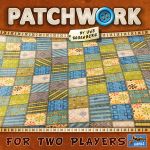
Yeah, I mean, really the biggest diversity for his catalog out of the stuff that I've played is just like when he went into doing the polyomino games, like not I'm not counting Fields of Arle in there, but between like Patchwork and Spring Meadow and Summer What was the other one? Indian Summer and there's a a bunch in there. Like they're they're like that to me when I started playing those, it felt like such a departure for the stuff I associated with Uwe, but beyond that kind of subset of his catalog, I just feel like the rest do have a lot of similarities in comparison to like other Like I can recognize a Knizia design, for instance, or I can recognize a Stefan Feld design. And maybe Stefan Feld's like someone else who's has a lot of similarities with his, but if for Uwe, I just find that like there's a distinct uh I was going to say taste. I've never I've never tasted one of his games, but you know what I mean? Like one of uh like he has a distinct style, um and you know when you're playing an Uwe game. So, like and I I also feel like what's the newest game of his that we've played? Was it Orléans Burgher Canal right now?
Probably. I think so. I mean, there might be one of those shorter ones that was on BGA. I don't know if Applejack or something is technically newer, but I think it's it's probably Orléans Burgher Canal, yeah. Yeah, and and I've just found that like the newer the newest of the games of his that I've played have like I haven't I haven't haven't landed with me the same way. Even if even the ones I've liked, it just hasn't felt as magical as it used to playing um you know, even Sorry, like La I'm not Le Havre. Um Fields of Arle is the last one that I felt that when playing, but that's one of his older titles that like you even said yourself, you're like knowing what the the ones of his that you like and knowing how much you like Fields of Arle and stuff like that, you're going to like this one. Um but I haven't felt that with his newer designs, you know? Like Orléans Burgher Canal, I liked but it didn't feel the same way. Atiwa, I thought it was just okay. Right. Yeah, Atiwa was the other one, yeah. Yeah. So, it it does feel a little interesting to think that like not only have we al- like almost explored all of this uh not all of his catalog, but all the ones that we're really interested in trying, the bigger, more important ones, but also is he going to release anything else that's going to really excite us, or is like Is our our Uwe days behind us? Yeah, that's the thing. It's like it's almost coming to terms with like as we're doing this tier list, I'm almost like realizing where he's might be in his design career. Like even Black Forest, which is probably his most successful and well-known game of the past few years, again was a co-design with another designer, and this game was initially like um conceived or whatever like 10 plus years ago and was like just shelved for a
while until they brought it back out to kind of like try again to to get it over the line. So, it also isn't like a brand new design. So, I don't know. I've just I'm in this weird spot. Like I you know, I'm not going to even get into a certain designer who we mention all too often on here, but I'll just give someone like Tom Lehmann as an example, where I tried Race for the Galaxy as his first game, and it's like one of the best games I've ever played. And then as I started playing more, like aside from Res Arcana, playing three other games that were sort of Race for the Galaxy spin-offs, like Jump Drive, Roll for the Galaxy, New Frontiers. Jump Drive is great. The other two wasn't crazy about, and that made me immediately like sour on him a little bit as a designer at that point, too, until trying some more recent ones that I really liked, but anyway. I don't know.
It'll be an interesting exercise to do the tier list for a number of reasons, cuz I'm also wondering if I'd have I'd have uh who Out of the designers that would show up if I did like a top 10 list of designers, I wonder if Uwe is one of the ones that will be have the most divisive scores for myself. I mean, like on a tier list I'm talking, like if we're going like, you know, S to to F or whatever, um I wonder if he'll have the biggest spread um out of the out of the designers I've played enough of to feel like I'd have a good sample size, I mean. Um I'm curious, just because there's some games of his that obviously I love, like Fields of Arle, and there's other ones of his that uh you know, I'm not so hot on, and it's kind of the whole wavelength style spectrum for Uwe. Definitely. It'll be an interesting one to do. Can't wait till till we do that in the next, you know, couple months or whatever. Yeah, and it's it's hard to do this evaluative process while like not holding it against him that like yeah, if he'd only designed five games and they were all amazing, like, you know, it's weird to fault him for saying, "Well, you designed a bunch of additional games that weren't quite as good." Yeah. But that's I guess that's the way the game goes, right? It affects your whole the way people see your catalog as a whole, so Yeah, totally. Really looking forward to digging into more of his games and eventually doing this tier list, hopefully sooner rather than later.
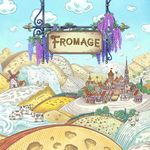
Um all right. So, for my appetizer, uh we recently played a a game of Fromage. Um it's not my not our first time playing, but we uh played it a four-player game in person, and it had been a while since Well, it'd been a while since I played what we we at AOSP like to classify a mumble game, uh but also, or at least the like in a bigger group with our core game group, anyways. But also, it'd been a while since I played a simultaneous game that at least was that simultaneous. And it got me like just like asking myself a bunch of questions and then thinking. And so, this appetizer I wanted to actually just start by like just posing you some questions. I'm not This isn't supposed to be like me interviewing you, but just posing questions before I give my thoughts and stuff just cuz I'm curious as someone else at that table played a worker placement game that was simultaneous, what you thought and then I'll I'll weigh in with mine. Um so, first of all, just really base, did you do you like like as a worker placement game that when or as for like Fromage specifically, the simultaneous uh worker placement aspect, do you enjoy that or do you prefer more when it's um non-simultaneous and everyone's sort of watching and like you're competing on the same board, whatever the case may be?
I mean, I'll I'll say I've only played Fromage in person once and the times I've played it on Board Game Arena it's been asynchronous, so I only have the one play to go off of. It like it's hard to say because the the simultaneous is like directly built into the nature of like how the game is designed, so Yeah.
if you like I I don't know what a version of Fromage without simultaneous play would look like. If you just said, "Do you want to play Fromage while taking turns?" then no, I don't think the mini games uh in that game specifically that you're doing would be interesting enough for me to sit there and want to watch three people take their turn before it comes back to me. So, in general in general, I think I'm going to I tend to prefer the games that don't have the simultaneous play for a worker placement, but Yeah. it's not like a rule that it's not that it's not a rule that that mechanic shouldn't be simultaneous. Yeah. Yeah, I I was just thinking after because I found myself multiple times um like Fromage is a game where it seems like to me in the design of it that it's intended to very much be played in a sense where like you're I'm not saying you're not communicating with the players at the table, but that like I'm doing my thing, everyone else is doing their thing, and you're not really communicating telling people what you're doing, and then you you do it and you spin spin it. But I found that hard because and I this is what I always come back to with simultaneous games is that it feels like if I'm not communicating what I'm doing, like if I just if I just take my worker placement, actually I do it, I take my resource to do it, and then I'm done and we spin. It just feels like so disengaged from the rest of the table that I I wonder like I feel I'm compelled to say, "Okay, so by the way, I I did this and I got myself some cheese and I did this especially if I did a really good play, right?" Like it feels like if I'm not telling ever anyone am I are we all just playing four
different solo games? And like I I had a really good time with Fromage. I I I like Fromage a lot uh legitimately. It was just more like a question of is there something lost by the table not being able to share in everybody's moments and rather it really just being about your own moments or specifically then is it is the discussion supposed to be when it spins to you? You're supposed to be like, "I can't believe you did this. Who took this spot?" And you're supposed to be like looking around the table and stuff cuz we didn't really do a ton of that. Like there was times where I looked at I think maybe once or twice I referenced it, but there wasn't many times where a side would come back to me and I would go, "Oh, Dave when this side was when facing him two turns ago, he did something that blocked me." I wasn't saying, "Oh, Dave, I can't believe you did that." Cuz I to me it felt like, "Well, he did that two turns ago." Like does he even know what motivated him to do it at that point?
So, it kind of we lost that banter, and I just thought it was an interesting thing in that I love the simultaneous play in Fromage because of how quick it can make the game. Like the box says it could be 40 minutes and I believe that, but you do lose something from everyone not participating in everyone's turns, and I just wanted to kind of like see what you thought about that. For sure, and I think it especially depends on what kind of actions and things you're you're doing. Um
[clears throat]
and like for me I especially when you're activating like the buildings on your board cuz people might not see like what you're doing. Like I had one that was just allowing me to draw order cards and also complete incomplete order cards, so I was just like I didn't feel right just grabbing cards and putting them in my stack like cuz they're worth a lot of points. So, I didn't feel right just doing that stuff without you guys watching, but it also felt weird before spinning always to be like, "By the way, guys, I'm just doing this just so you know I I got another thing here." It's like I also don't want to feel like I'm rubbing it in your face that I scored a bunch of points again.
But it's yeah, it's I I struggle with this with a lot of these games where I feel like the simultaneous play it's interesting because usually it's implemented to save time and to cut out the downtime, but I feel like it hurts the games most when it's games that are more involved because even I always I think of Planet Unknown as well where it's like people are like putting stuff down and moving up this track to trigger this thing which combos into this other thing. Like sometimes your turn has a bunch of stuff happening and there's four or five people sitting around the table. You have either no idea what people are doing or again everyone's stopping to say, "By the way, I did this." And everyone goes, "Oh, cool. Cool. Well, how about you? What did you do?" And then it's like then was it really simultaneous if we're all taking turns talking about what we did anyway? Yeah, it it
But to go without it to power ahead, you kind of lose out on what's going on. Yeah. And so, does it ever This is another thing I was going to ask you, I just remembered. Does it ever cross your mind when you play simultaneous games like uh specifically then this simultaneous where someone can do or Planet Unknown's actually another great example where there's all this comboing and all this stuff happening, does it ever cross your mind like that now you have no agency on if other people are making mistakes in what they're doing that like unless you're watching everyone's board and then you're that person that's like being like while someone else is doing their mumbling and doing their own thing, you're like, "I I think you just said something wrong over there." Like it does it cross your mind or you have the like and this is where I sit, or you have the mind where it's like, "You know, this game is simultaneous. I if someone else makes a mistake, if they take extra points, I can't really control that. I'm just going to try to have the best game I can and not think about that." Like I I wonder because we're talking competition later, too. Like for someone who's super competitive, are they going to be like really against some of these simultaneous games cuz then they feel like unless I'm playing with really experienced players that I trust, I don't know if they're going to like get 20 extra points they're not supposed to have, and then I feel like I got beat on a game I should have won, you know?
Okay, it's definitely an issue with some people. Like I've seen this come up in forums a lot before people people saying that sort of thing. Like and I I think in our groups I think we all agree like no one in our group takes winning like winning isn't important to anyone important enough to anyone in our group I think that anyone's going to be like enforcing that we all kind of audit each other saying like, "No, we have to make sure that everyone does like I've thought about this a lot even at when we you know, get to the end of games and it's a matter of like everyone just count your score and we all just announce our score. It's very rare that we all go through and count like, "Wait, let's double-check." Like even if it's a one-point win, I don't think we've ever recounted to make sure because it's like who really cares? Like it's not a big deal. So, I think it really depends on the group you're in, the game like the game you're playing. I mean, I guess that's part of what our main topic is going to get into afterwards, but I I more for me I'll say right now I feel self-conscious about like I know everyone makes mistakes and there are times where I'll announce my move out loud and someone will be like, "Wait, what are you talking? That's not right."
And I'm like, "Oh, shoot, you're absolutely right." And then I'm glad I did it out loud so that I can like I don't want to make a mistake and and and not have someone call me on it if I didn't notice. So, I think it's good in terms of making sure things are happening prop like accurately, but sometimes you're you know, the game suffers as a result.
Yeah, I think just to close out this little appetizer, like that's the base what I thought was interesting is that I I like the the the theory behind simultaneous play and the fact that a game like Fromage um can be played in probably 40 minutes reliably once you are playing with a group that knows it and you're like you're really leaning into the simultaneous nature of it and just everyone's doing their turns, you spin. Everyone's doing their turns, you spin. But it just like I I find it hard sometimes to get into a groove with them in the same way I do with other games because I am inclined to announce what I'm doing, to want to know what other people are doing. Not because I think anyone's doing anything wrong, but just because like you said, sometimes I will, sometimes people will, and it's always good to like catch that for the integrity of the game if you can. But then also just because yeah, like if people are doing really cool moves or doing things, I want to know why someone beat me by 20 points, not just be like after the game they're they're saying, "Yeah, well, it was back somewhere in the middle I got this big score." And I'm like, "Oh, I didn't even realize that." Like that that's something I want to see happen, I guess, and sometimes that you lose some of that when you're playing simultaneous. So, Absolutely.
And can I just really quickly say I think the you know what I'm going to say, the best game or the game that does this best is is Race for the Galaxy. Um and part of the reason is that the simultaneous nature is just that whatever action card you see on the table, like you see that what one person picked the develop phase, everyone's going to get to develop. You can see exactly which card someone put down and see like, "Okay, did they put down a card? Okay, that's a development. It matches the development phase. Cool." And the only other thing you're auditing really is like the one bonus whether it's like a discount or they draw a card or so, it's very easy to just look around and track and make sure that people did what, you know, they should be doing based on the rules. So, Yeah, that's a great example, too. I I always forget that it has that simultaneous element, but it's like yeah, Fromage is is has it in a bigger way because it's like you're like the entire game is essentially simultaneous, but yeah, I think Race for the Galaxy is almost like the better balanced example of it where it's it's an element of it that it makes it more efficient and quicker, but you still get that sort of inclusive nature of it.
All right. Well, after those appetizers before we jump into the main meaty course we've got for you or veggie course if you're a vegetarian. We don't we don't discriminate here. Um we are going to jump into a little sponsor segment and we'll be right back. All You Can Board is proudly sponsored by Victory Point, our local game store of choice here in Winnipeg, Canada. We strongly believe that Victory Point is the gold standard of board game stores, not just here in Winnipeg. Their main priority is having a wide selection of games, many of which you won't find elsewhere. They ship Canada wide, $15 flat rate, or free shipping for orders over $200 and even take requests to try and order in specific games. They also have a used game section where you can trade in games for store credit and maybe even find some hidden gems that others have traded in. Note that the used game section is only available for in-person purchases and trades.
Again, located in Winnipeg at the corner of Henderson and Heubler, check them out at victorypints.ca. A massive thank you to Victory Pints for all their support over the years. All right, welcome back and we are ready to talk about winning and losing in board games in our main course, which is bitter victory and sweet defeat. So, we called it that because, you know, we're not just going to I think the more interesting discussion here that's going to come out of all this is is sort of the opposite of what you expect. You you almost sort of taught that winning feels good, losing feels bad. Whether that's actually the case or not, that's sort of like the the cliche of looking at it, but I think it's interesting to talk about the other perspective of when, you know, winning necessarily doesn't feel good or when it feels especially good or and vice versa, especially for for losing. So, before we start all of this, I think the best way to start this is to kind of define what we each of you competitiveness to look like in board games cuz that I think that's something that looks different and feels different to everybody and and because they're so like it's such a it's a scale. Um so, I I was just going to throw it to you first and before I and then I'll give you mine, but like how do you think about competition? What does competition mean to you when someone says, "Are you competitive?" Like what are you grading yourself on for that?
Okay, so the first thing I think is like I think we should define what we think compete the word competitive really means because I think there's often like a negative portrayal or negative connotation that's associated with it and I think that's sometimes people just call someone or something competitive when I think what they're meaning is like overly competitive. So, like if someone's getting to the point where they're taking something really seriously and getting like snappy at people, their behavior is like, you know, that's being overly competitive. I don't think that's being competitive.
[clears throat]
And so, some people say like, "Well, if you you know, if you want to win, you're competitive." Or if you're taking things too seriously, you're competitive. Again, I think it's just important I think the official definition has to do with like um something about competing to be like superior to others or or or to come out in on top in in, you know, a contest with others or something like that. So, like I think it reading it that way, this being superior to others does sound a bit negative in that sense, but I think like the idea to me, I always think of just competition of sports because I've grown up playing soccer like my whole life. And the idea of getting on the field and playing sports against another team to me doesn't feel like that should be a negative thing, wanting wanting to win. I think it comes down to having like a sort of social contract of sorts where as long as everyone is on the same page in the activity, then I think it's really really fun to be competitive. As long as every single person is on the same page. If what even one person out of 20 doesn't want to be competitive and is stuck in this, it's not ideal for the whole group.
And but also like let's say if I'm playing a sport like if it was my men's soccer team and we're playing against a group of kids in grade three, like yeah, that's not fun. That's Yeah, sure, it's competition, but like we're not on equal teams. It's not similar skill levels. Like that's not a level of competition that is enjoyable for anyone. So, I think when the stakes are equal and everyone's kind of on the same page is where it makes sense to me. But still has to remain respectful. Right. Yeah, totally. And I like what you said about if like it's even if one person isn't wanting to be competitive, especially on a team sport or with a bunch of people playing, like that alone can change the the feel or the vibe because they they then by everyone else being competitive, it can make that experience, you know, a lot poorer for this one person and that can make the group uncomfortable, a whole bunch of different things. So, yeah, it's an interesting nuance. But the way I wrote it down when I was thinking about this is like I almost you're right in that sometimes when people say, "Are you competitive?" I naturally think people are saying, "Are you overly competitive?" Because I think on some level, we're all competitive in some ways because it whether it's sports, whether it's games, whether it's trying to get a promotion for a job, whether like you're competing with people in different On the road, you're competing with people sometimes. When you want to change lanes, you can view it that way, right? Like so, I the way I wrote it down was a couple of things. I always view like when people ask me, "Are you competitive?" with things to do with board games, that basically that they're asking, "Do you like to play to
win at all costs?" Or or the other way, it's are you are you going where the victory is, fun be damned? Right? Like for me, that that's the distinction I'm always thinking, but I'm I'm forgetting that some people are often probably not asking me am I overly or am I competitive, they're asking if I'm if I'm overly competitive. But for me, it's if I'm doing anything in a board game and I have an option in front of me and unless unless I'm in specifically playing in a tournament or competition, but like if we're just getting together with our group of friends and I have an option in front of me and I have two paths and it's like, "Okay, I could do put my worker here and that's going to be really cool to see how this unfolds. Or I could put it here and I'm going to get five more points and it'll be the thing that keeps me more competitive.
I'm going to go with the thing that's going to be more fun unless for some reason that day, because we all have these days or at least I do, like I really need to win or something, right? Like like that's where I'm going to go and so that's why I always kind of define it as like I feel like to be competitive, you kind of have to say fun be damned, I'm looking to win because to me and I mean, I guess it's that's interesting because for me, I just don't find being that level of competitive fun, but some people will. And so then to them, it's not fun be damned, it's that is the fun for them, right? Right. Well, so let me pitch something else to you. Yeah. What if like I think there's something to be said about trying to pull off a fun strategy, like wanting to do a strategy that's, you know, unusual, but then feeling so invested in that strategy and wanting to see it succeed that you get competitive as a result.
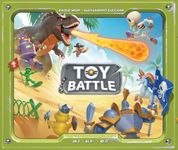
Like being like I want to win even more this time because if I pull this off, it'll feel so rewarding. And it's not a toxic like if you lose, you're probably not going to be disappointed, you're not going to be salty, you're not going to be like a negative presence at the table to anyone. You're probably going to be happy and be like, "Oh, I came close. Like it was so fun to try for that." So, that's not in a way no one's going to look at you and be like, "Man, why were you so competitive that game?" But it's going to be like we were it's awesome that you were invested in this kind of like cool different strategy we're going for. And I think it can I think it can count as being competitive just wanting to win, yeah, trying something fun. Like even just thinking about some basic game sessions we've had lately, like let's playing Cosmo Laser with Dave, for example, three players. Like the stakes didn't feel super high, but like we all felt invested. It felt like like a competitive game, but I didn't feel at any point like anyone was like walking on eggshells or like, "Oh, why are you reacting that way?" or crossing a line with anything anyone's saying, right? Yeah. And that's why I think sometimes those tactile games, it's easier for me to get competitive because it doesn't I mean, unless I'm even like a game like Toy Battle that I played like 300 plus times now, because it's so tactile, there's no like it never feels like, "Well, I got to do this even though it's not super fun, but this is the way to win." because I'm really responding to a completely different battlefield and situation and layout of tiles every time. But when I think about, you know, like coming back to like Magic the Gathering and stuff, it's like the idea of of playing a deck that is a meta deck and has a percentage
chance to win that is higher than every other deck. It's people who do that, it's because they want to be competitive and they want to win. And that level of competition, you know, being faced with something in a board game, like I said, where it's like I need to do that this strategy. If I don't do this, I have lessened my chances by like 75%. Like if it's a really obvious thing I need to do, but it's not fun, am I going to do that anyways because to try to win? No, like I I just I don't play games that way unless it's a tournament or unless I really need to win for some reason. And and that's I think that that's how I always classify competitiveness in my head is as soon as I am not willing to deviate because it means I might I'm lowering my chances, then I know I'm being competitive. And I played games like that. I played in all the ways to be tournaments on BGA that way. I play a lot of times when I do Castles of Burgundy that way. Toy Battle and I definitely do as well when I play online. And I think that I just I never hit a certain level of fun with those games as I do when I'm not being that competitive. It's what I've learned about myself, anyways.
Right. And I think and I think when you mentioned to before about like being competitive at certain things or that everyone can be competitive at at certain things here or there, I think that's a big part of what distinguishes people is how often you pick and choose to to be competitive. Like what are the the conditions or the terms that need to be met for you to say, "I really want to be competitive at this activity." Right? Like in the same way that like yeah, I play soccer fairly competitively, but I wouldn't go engage in certain other team sports competitively just because yeah, I won't get into the reasons why. Yeah, yeah, yeah.
But I wanted to ask you too because a lot of this I think is tied into
[sighs]
like the idea of not enjoying losing. Like whether it's just like I kind of don't like losing or I absolutely hate losing or the intense desire to win, like wherever on that kind of spectrum, like do you think that with most, if not all people do you think it comes down to people feeling like their intelligence is being called into like into question like it's a direct attack on either their sense of intelligence or their sense of self like their like their their sense of worth as a person basically like if I lose a game that I'm either not as smart as these other people at the table or I'm not as good as they are like it it can feel some people I think take it a lot more personally than others or take it as a bigger reflection of their personality or their abilities or skill set just the result of one single game and I think that's a lot of the time why like a longer strategy game some people might struggle to feel more competitively invested because like yeah if I'm going to play a game for two or three hours and feel like I've lost 30 minutes in and I've got to sit at the table feeling like these I'm I'm dumb compared to these three people like some people might not like that feeling Right. And you well yeah and I think I'm going to talk a little bit more about this later but I think that also like that's why a lot of the way I feel about competition games is very much dependent on the game because like you said like if if I if I'm out of a game in the first like legitimately out of a game like we're playing a splatter game and I'm out in the first you know few rounds
yeah like it it it that's a situation where would we get into it like it's going to feel awful to lose not necessarily because you lost but because you have to sit there knowing you're going to lose and dealing with the ramifications of the feelings of losing while everyone else continues to play and compete right like and like unless you can find something else to like be I'm going to be I'm going to play spoiler and just try to like ruin everyone else's games or something but um but yeah so I feel like there's situations like that where it'll just feel a lot worse to lose but when it comes to someone taking sort of the the idea of doing poorly or doing worse than someone else at the table or losing as sort of a reflection of them or how they are viewed or how they are depicted or or how others talk about them or whatever I I I think you're 100% right like I think that it's not always the case but I think that there's a lot of people I've known in the past and that even even watching like um uh play throughs or like Magic the Gathering games online different things I've watched there's some people where it's the loss is like not not debilitating that's the wrong word but it it like it hurts them in a level that I don't understand from from losing and maybe that's because I didn't play as many like competitive team sports like I did I did some but it was never and I never played in a team that was like really really good and we were like a championship winning team so maybe
I've just dealt with tons of losing but yeah like I do I do really stupid stuff and I was going to swear there was really stupid stuff in board games all the time and a lot of it is because I purposely often play games without really thinking my turns through it not not at all I don't that's the best way to word that but like a ton and and I know that I'm opening myself up to making mistakes but it for me that's how I learn and that's also how then when if it's again my level I'll go back next time and I will hopefully won't make that same mistake or if I will maybe that'll be the last time I make it whereas you're right I think other people it's it's they they leave and they lost and they it's a bigger failure or it's a bigger feeling of you know inferiority or or around the people around the table and that's something I've just never been able to really resonate with at least in the in the way that it affects some people We talk about this all the time with like whether it's like just in general in life like being scared to take risks because you might not be the best at something or might not be perfect at something like people might play a game once do really poorly at it and think I don't know if I want to play this again maybe it's not my style of game but it could just be like you did so poorly your score was so much lower than everyone else's that you might feel like who this is a pretty intense game the stakes feel high it's a two-hour game do I want to feel like I'm putting my intelligence to the test in this kind of like arena publicly with other people again on display when I just got absolutely destroyed like do I feel confident enough to win next time
or is it just going to feel bad again Yeah. So
So I I want to what was this then I'll I'll kick this off we each I wanted to see what we each would rate ourselves and each other or the opposite person on a scale of one to 10 in terms of competitiveness so I brought what I think I would rate myself on a competitive scale and then also what I think I would rate you Okay before the before the scales can we go over the Knizia quote?
Oh yeah yeah
We've been dancing around this okay so the quote from designer Reiner Knizia that we've gone back to so many times in the past is when playing a game the goal is to win but it is the goal that is important not the winning And I think it's the perfect way to encapsulate how we probably both feel about this which is as long as you're playing to win and that's basically just you know you're not playing to specifically like this time I'm going to try to get last and see how low of a score I can get cuz that's going to be fun for me and I don't care about the rest of the people at the table like that ruins the experience for people or if you're playing to just say I'm going to make sure so-and-so doesn't win or I want to just try this one strategy and I don't really care what happens I know it's probably not good like it kind of alters the game for everyone so I think as long as everyone's playing to win that's the most important and I just want to get that that context in play before we get to the ratings here Yeah it's a great quote. Um okay so I for myself if I was rate myself competitive scale one to 10 I said that I would and sorry I took these as an average like I can sometimes have some games where I'm a one I can have some games where I'm feeling like a nine but like on average where I think I would
is specifically board gaming competitive we're talking okay Yeah all right so I I put myself as being five five to six on the competitive scale and for you I said I would put you at a 6.5 to 7.5 Okay what do you got? I'm actually very very close so here's what I put I put I put the my I put that you're probably a general average of six maybe as low as a five I think I think the thing is like when you game with me I think you're an average of a six you might be at a five with other people but I think we bring out a bit of competitiveness in each other I think you have a probably a range of like four to eight like I don't think I've ever seen you go above like maybe an eight in competitiveness Yeah it's rare. But I yeah I had a general I think set a six for you so I think we were pretty spot on there and for myself I think average is probably seven but it goes up to eight for a lot of games and and and I think sometimes like I can definitely go up to a nine like I think I think whether it's the average or or highest I think I'm always going to be a like a notch above you Yeah.
On average the average game I'm always going to be slightly more competitive and you when we're playing our most competitive games I'm probably going to be a little more competitive still Yeah I agree yeah I I thought it was good for us to kind of like put these here or even just for the audience to kind of have a general picture of where we each fall when we're talking and which perspectives we're coming from but it's interesting that we like we pretty much know each other's competitive levels like we've played enough games at this point that it wasn't going to be a huge surprise Um so having said that though before we get into some of the more specific stuff one thing I wanted to ask is what's and this was your idea so I'm saying I want to ask but I want to ask you your question
it's what's worse being a sore winner or being a sore loser which one do you think is worse and why and then I'll go after you They're both pretty bad but being a sore winner I think has to be worse Okay that's what I have to Yeah I think it's like you're rubbing salt in the wounds like you've already beaten us now you're also doing it in like an ungracious way there's just really no excuse for it it's one of those things where like it's the same way as like when a kid is misbehaving when they didn't get their way it's like even though it's not maybe like right you understand it's like okay I get it they're acting out because they're sad or because they're upset but it's like if you win you don't have any reason to be like also rude to us it can I think I will say for some people it might be a deflection tactic I think some people are sometimes uncomfortable um or don't know how to act when they win and don't know how to play it cool and so some people might just be looking for something to say and might inadvertently do it it's again it's not an excuse I'm just saying I think for it can be a genuine thing for for some people Sure.
Uh yeah I so I had sore winner as well and I got I agree both both mean pretty bad the reason I so first of all like people expect to lose and to feel bad so I feel like being a sore loser still is you know it's it's not good but it's it's understandable in the sense that I know you should feel bad I not should like but generally losing rarely feels good the actual loss itself even if you're just like something about it felt good like we'll talk about it in a bit but whereas winning I view it in two different ways if you're being a sore winner it's either because you know there's something there's like something going on that you like need the win to sort of be more defining of yourself like it is to your core like you need to be viewed as a winner but worse the worst thing and we're seeing this just like really briefly at a board games here but like we're seeing this is sort of the sentiment I'm seeing a lot I just around the world in general right now is I am not actually here to win I'm here to make you lose and that's the other type of a winner and I feel like that is the one that I find the most egregious, where [snorts] it's the idea of someone else losing that is the victory for them. You know, and like with like I only said outside of board games cuz I don't think that's basically the entire political landscape right now. It's just I'm not here to win, I'm here for you to lose, and that makes me a winner. And and that is like why I I I'm someone who's humble to a
fault. Like I'm I am I I am uncomfortable when I win because I don't want anyone to think I'm a sore winner, so I like overcompensate by trying to downplay my win or say why I was lucky or whatever. But so I'm also having the I have that bias where I am naturally as soon as someone is being cocky, as soon as someone is really boasting and stuff, it's such a a pet peeve of mine. Like it's the it's the thing that I dislike the most
in personalities of other people. And so yeah, sore winner is just like it was right away I knew my answer. Absolutely. Oh, and and you're absolutely right though, when someone rubs it in like it's it's the it's the reason why we always have those comebacks in Rocket League as soon as people start talking trash in their head. It's like I that's it. I want to win twice as bad now. That was a mistake. Yeah, yeah.
Okay, so going into kind of piggybacking off that into our first one here. When does losing feel good? Cuz I feel like this is one of the probably most interesting things we're going to talk about. It's the one I'm most excited to kind of discuss because it's the thing that especially in this day and age in 2026, I feel like losing more than ever since that I can remember in our society is viewed as such a you know, a bigger thing. Like you don't want to lose, you need to win. It's and there's more gravity placed on them. So from the board game perspective specifically, when does losing feel good? Do you have like any game examples or do you have like just like thoughts of what it takes to make like when what's the difference between you losing a board game and you feeling like that was like that was a good not a good loss, but like I feel good about that versus you losing a game and being completely like disappointed or whatever affecting whether you like that game etc. etc. To me, the games where I've lost that and it's felt the best are the ones where one I can see the like the ways I can improve and the way ways that I can improve aren't specifically are are things I'm willing to do. And what I mean by that is if I lose a game and then like well, this is kind of getting ahead onto what like when losing feels bad. But if I lose a game and I can see well, here's the way I would have won, but it would have been less interesting for me to do those things, but it would have meant victory. One, I'm I'm the loss feels worse, and two, I I'm less inclined to come back to the game cuz I know if I come back and I'm either going to like play it the way I
want and lose again, or I'm going to play it in a way I don't want to play it just to win. And that that decision will always be one way for me, and then it just makes it less interesting. So I feel like that right away if I can if I can like really discern like oh, next time I'm going to try this and I bet you I can really you know, improve my score or whatever, that right away the loss feels better cuz I'm it's almost getting me excited. The loss has get got me excited about when I can win. And so that is number one. And then when when losing feels fine to me, maybe not completely like amazing, but it feels fine to me if the game is one that's way more luck-based. And so like I'll use it as an example of Can't Stop, right? Like I know that there's you're going to eventually have a lot to say about Can't Stop's like luck assistant and everything. But what I mean by that is the randomness element of Can't Stop, I've never played a game of Can't Stop even when someone has had a ridiculously good streak of like dice rolls and stuff, I've never really been pissed playing Can't Stop. There's been times where I've been frustrated a little bit, but it's not to the extent of like that loss felt bad because you're you know, for me I know what I'm getting into. I'm getting into a game where someone could just roll three 12s and I'm going to like, you know, facepalm and be like what are the chances of that? But like that is the game. And so it's like in Toy Battle, like Toy Battle is I I it will get into this after, but I have it in losing feels good and losing feels bad because it's almost like the
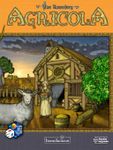
the the anomaly here because it feels so bad to me when someone gets three army men, and I've had it happen somehow so many times where they just I mean and and when I do it, it just doesn't feel good. But there's something about randomness and luck that I I'm more forgiving is what I should say to to losing. Maybe it doesn't feel amazing, but it's not as bad. Definitely. Yeah. It's like it's the same as yeah, whenever you can blame luck rather than having to, you know, yeah, find fault in your own actions, it always softens the blow a little bit. And sorry, before I throw it to you, I just wanted to say these are the games I wanted to give as examples of ones that everything I just said that works for them. So Innovation, Can't Stop, Incan Gold, Flip Tunes, Toy Battle, Santorini, Hot Streak, Brass. Is Brass the biggest one? And the Brass specific one is because I didn't mention this, but games that are really strategy-based and and are tend to be the ones that present after they're done where I can go and say oh, if I would have went this road, if I would have tried this strategy. And so a lot of the intrigue is what keeps me feeling better about the loss. And so Brass is just one that has like it's like strategy-rich, but I could have put really any like a lot of Uwe games are classified there where losing doesn't feel bad cuz I'm already thinking about like well, I'm going to go into next time I'm going to play a game where I don't feed my family. I'm going to see if that works.
Yeah, that makes sense. No, those are all good reasons and some of the ones you mentioned I I hadn't considered at all. Um for me the what I had kind of come into this [snorts] with was that when the result of when my loss is a direct result of a great play by someone else, where like one of those like a tip your hat to this person for just outplaying you, that's when the loss feels good because that's when I can truly say I'm I'm if you had asked me, would you rather win and feel like it was undeserved or anticlimactic or or like some small whatever kind of play, or would you rather have lost to someone on this brilliant play that's going to make for a memorable story? I would always rather lose it to to have that big play, that memorable story. And in a lot of the times it's not just for the memory, but it's to see what's possible in a game. Like how big of a play can be made. And we love like we're we're the type of group that I know there's a lot of groups that they just like they start the game, they play through the game, they don't really talk through stuff.
They the game's over, they put it away, they get the next game. Like we talk through our turns, we talk through, we analyze stuff through the game. At the end of the game we're often saying like oh, and I think this might have been the we're always talking about the TSN turning point. Yeah. Where was it? And and that happens a lot and I I've had I I pointed out this happens a lot more than with Braden than with anyone I feel like, where I find when I'm playing games with Braden and I'm in the lead, he's often the person to like stifle my plans. And I've had multiple losses where it's a direct result of like one or two plays that Braden made at a key point in the game, and there's a part that feels bad because it's like it feels like this person like robbed me of the like I I had it and you took it away from me, but it's also one of those these like you absolute brilliant son of a you know, like I'm just sitting there like happy for him in the moment and like the fact that the game allows for a big moment like that is just is so satisfying. I I feel like that's why I'm more competitive. Part of what you said is was why I'm more competitive in two-player games is because when if someone does a really good play like you just described in a two-player game, they did it you're only you're challenging the one person across you.
You're only reading their plays and everything. When you do a really good play in a three or four-player game, it's not that it's I'm saying it's less less than, but there's so many variables. If I'm playing with four people, someone else two other people at the table could have made mistakes that allowed another person to get a bunch of points and I lose to that person and none of the loss has anything to do with me. It has to do with someone else missing something or someone else be unwilling to stop someone or then whatever. Like there's so many variables I can't control that it's I'm I'm not saying it feels worse, I'm just saying that I think that's why I'm less competitive is cuz I just sort of resigned myself to knowing I could play perfectly like but if all of a sudden Braden makes a play or you make a play that opens the door for someone else to get 30 points by accident, it's like
[snorts]
I can't really fault myself, but also that's comes with the nature of a three or four-player game. Like that's what I signed up for, too, right? So Yeah, absolutely. Um okay, so on the flip side then, when does losing feel like I'm not going to say bad because like that's I feel is less interesting. But like when does it feel especially bad? Like when when when especially for us who we aren't we don't, you know, really get too down on losses, when are the times that you actually feel bad having lost? Okay, so I'm going to give you a couple of just like general statements, then I'll give you a very specific game example that we were both part of. So in general, if it's a long game and you can fall be far behind early on and spend like I don't know, half the game or more than half the game knowing that you have no chance of winning, but you're kind of stuck in the game, I think that's when losing feels bad.
Getting targeted or ganged up on unfairly or excessively can make losing feel really bad cuz it feels like again, you never had a chance. Feeling like you never had a chance just due to bad game design, you know, bad whatever, bad luck in some way or getting dealt cards that don't allow you to do something early on or whatever. We don't see this a lot. Um or if you're in the lead, but you lose last second due to bad bad luck, like something like the game is decided on a die roll or the guy the game is decided by the the flip of a card at the very end can feel bad. But the one example I'm going to highlight, which kind of goes into the getting targeted or ganged up on a little bit, is a game of So, we played Rising Sun um twice about a year or two apart, I think.
Years ago now. This was what, maybe 8 years ago or something like that. It was a long time ago. And the first time we ever played, I believe it was a first time for all of us playing, and I used the Fox clan, uh which was I think one of the expansion clans that I I won, but I ended up feeling while we were playing like it felt like they were overpowered. Like I didn't feel like I played particularly well. It just felt like I was kind of following the asymmetric power and felt like whatever, I lucked into the victory a little bit. The next time we played, we played with the same group, plus I think one more person, and at the start there was some talk about like, "Oh, Carlo cleaned up last time. Like we can't let him get an early lead like last time." I was playing as a different faction, and I got like decimated quite a bit in the first kind of like set of battles. And I already knew like I am so far behind. Like I have to find some way to come back into the game. And then like the next like battle phase or negotiation phase or whatever, the table talk was still about like we still have to keep an eye out for Carlo. And I tried to plead a few times and say like, "Guys, I'm already in last place by a lot. I think like if you know what my faction can do, you'll see there's really not much I can do. Like I'm barely hanging on as it is. If you guys attack me anymore, I'm going to be completely like you're I'm basically completely wiping out my presence on the map. I'm going to be done before we're even an hour into this game." And they were like, "No, no, he's he's deflecting. This happened last time."
Whatever. Surely enough, you guys and you weren't like one of the the ones like I felt like ganging up or anything. And and it wasn't I didn't Let me just be clear. There was nothing that felt like socially I was being targeted. Nobody I I didn't feel like someone at the table is directly attack targeting me, Carlo as a person, as someone who doesn't like me. So, I want to be clear if anyone who was in that game is listening to this even. Um but it was just a matter of I think they they misread the state of the game, and as a result targeted me when I knew I was already in last, and I spent the entire And it's Rising Sun is like a three- or four-hour game. I spent the majority of that game having no chance, and like being involved in almost no battles. I had no map presence.
He's already dead. And I I know you guys all felt bad later in the game, and it was like, "Man, we really did come at him too hard early." We only played that game those two times to all as a group like that group and and so you're right in the sense that like I can't remember the whole set of circumstances of the second game, but when you don't know that game well enough, it's possible to misread like you're saying even more. And so even like a game like uh I didn't even have I only thought of this cuz you said this. I didn't even have it written down, but like Tammany Hall when we played, and I was out like like that was a little bit different because that was early on. So, it wasn't so much like I I I'm not saying you guys misread the situation, but like that was our first time playing. So, we don't even know if we really misread the situation. Like we're going with the Yeah, right?
And that was the exact I was about I didn't mention it cuz I thought it was going to be your example, but that's exactly what I thought of is we you were in a good position, we came at you hard, knocked you out, and then the next round people like, "No, no, he's he's still too strong. We have to come after him." And then it was like after that we all talked for much of the game, but like, "Oh, we feel bad. We really we really did too much to Dylan early. That was unfair."
And it And that thing is it it sucks to be in that position. And the reason why I didn't ever play Rising Sun again was I'm like, "I would never want to know that someone else at the table had that gaming experience." Cuz like that wasn't enjoyable for me to play the game. Losing is fine. I don't care. Even I have lots of games I end up with zero points. But if I feel like I have no chance that early, it just takes the fun out of the game. Yeah.
And so basically what I have written down is so much of what you said. Like I have um feels feels bad especially on long games, especially if grasp of rules {slash} complexity has uh factored in. So, like when I put Splotter in black brackets where I think that's why I'm never going to really super enjoy a lot of Splotter games. Um like Bus is an exception, obviously, but um Food Chain Magnet when we finally do give that a shot. Like if there's an if there's a chance that I could completely be out, you know, with 2 hours to go, it's just like that's less fun with than for me because I wasn't going in to compete at that level in the first place. And now it's a game that's going to punish me for not like, you know, competing well enough early on. And and especially early on I'm If usually on like three- or four-player games, I If I am going to be competitive I'm not competitive until like halfway through. It's just a weird thing with me. Like I kind of start off a little more carefree, and then when I I start honing in later sometimes, but um so yeah, I had all those written down. Then I just wrote down that um toy battle uh like I mentioned, it's on both mine. And I can't really figure This is I don't have an answer, so I'm not going to really delve into it, but sometimes toy battle feels great to lose, and sometimes I get so frustrated losing a toy battle. And I know some of the reasons like I like I described with the the army um men pieces and stuff. But there's other times where I don't fully understand what it is, but I I think it ultimately comes down to the I I will be playing someone who will
take like a minute and a half on BGA cuz you have a timer. And they'll take like the full minute and a half to think out their move, and then they find this really good move, and they make this play. But I don't want to like I I know I could do that. I have every right to. I could sit there for the next 2 minutes, and I could be like Okay, what about this? Oh, but this this this. And but I don't like that process. That process to me has never been something that I really revel in. Certain games, certain times, but like with toy battle, I want to just kind of like go through it or and then I feel almost like more um uh proud when I I have a good play come together cuz I found it without the deep thinking, and to me that's the victory. So, it's almost like that's what I'm playing for when I'm competitive in games is can I win, and can I find interesting plays and strategies while not really thinking too hard about it because then it's almost like I yeah, I don't know. It's just like more like it's it's I know it's more luck-based, too, but it's just more satisfying to me. I love seeing this dilemma that you have with toy battle because I can see that you don't want to play it competitively and get like too much better at the game and play at a high level, but the game is too good to stop playing and only rely on in-person plays. So, you're just keep forcing yourself to play it on Board Game Arena and get upset about the fact that you're
getting forced to play optimally against players who are really good. I've taken many days breaks of toy battle where I'm like, "I just can't play this game over. I don't think I like this game. I'm going to This is a skip it. This is a skip it now." It's just like This is like the definition of first world problems here. Yeah, honestly.
Oh, no, this game is too good that I have to keep playing it and getting better at it and playing against other people who are also good. Oh, no. Okay, so flipping it then, when does winning not feel good? We kind of talked about this a little bit, but just to kind of like uh really honing in on. And I can go first on this one. So, I'm going to start with an example. Uh Moon Colony Blood Baths um is one that I can't even remember if I won the last time I played. If we if we if I didn't, I think I was second. So, I And the other time I came in last. But that is a game I know it'll never feel good to win. It'll feel good to play, but it'll never feel good that I won. I won't really care who wins because that game is so chaotic and so much about just surviving that like winning in that game is just sucking the least. And I had this conversation with Dave a little bit where it's like you didn't really win, you just were the best loser at in when you play Moon Colony Blood Bath. And so that one it's an interesting it's a unique one in that I'm not saying the game is bad for it, but it I don't think I'm ever going to feel good about winning Moon Colony Blood Bath. I'm just there for the experience essentially at that point. Um and then I have if if luck is like a huge factor, and and it has to really be luck-based. Like I'm not talking even Can't Stop. I'm talking like like really like like you almost said like where something is decided because of a flip of a coin type of thing. Like yeah, it like I will never really feel good about that win. It'll just be like that's how the game ended. It's not
going to be like me fist-pumping because of that or anything like that. Uh and the last one is just if I'm winning by too much. Like if if I'm winning by like 50 points or something because like I said with me being like feeling like I'm humble to a fault, it doesn't It no longer feels good because now I'm already asking myself like should I be holding back? Are they But then are they going to be like offended that I'm holding back? So, I should just keep destroying them more. Like it's it's like it's rare. I'm not that good at games I'm constantly destroying people, but it just doesn't There's a limit. There's a point where I'm just like I don't even know necessarily how to keep playing because I think everyone knows that this is a win. So, like I'm just trying to have fun, but then also I just keep winning by more, and it's just like it's rare, but it happens, and it never feels great. That's that's a good point.
It is a bit a weird situation to be in. For me, I would say it's a situation where you win either due to someone else's play or someone else's misplay. So, couple examples I'll give is one like let's say I'm in second place, and the person who's in third or fourth attacks the person in the lead when it's not even my turn or whatever, and then as a result the person in the lead falls behind and I win. Like they did something to steal points from that first player or whatever. So, yeah, if like by no action of my own, I just sort of find myself going from second into first, that doesn't really feel particularly good cuz it's like I didn't I didn't do anything. I just lucked into it completely. Do you think that that makes the like just That was interesting. Do you think that makes it harder Like I just think about like how basically almost you could almost say every four-player game, for instance, has the possibility that like there is a chance a decision could come down at the end of the game where someone who is in like third or fourth place, and maybe they can't even win, has to do something that affects either the player in first or the player in second. And we've had this happen recently. I can't remember what it was like that I can't remember which game it was now. We were playing with Kevin and and and and essentially like someone had to be impacted and it was either he's going to sit there one of us is going to sit there being like, "Okay, which person should I mathematically impact?" Like who's like or I'm just going to pick somebody. And if that decision ends up creating the winner of the game, is anyone really going to feel good about that? It really essentially one person deciding the winner like the king making type aspect.
Yeah, it's hard to say cuz like a lot of games don't If it's a game where it's just the most points wins and you can't lose points throughout the game and there's nothing that you count at the end of the game. Like I'm trying to think of like maybe something like Babylonia or Re Nature. These Knizia tiling games where like when the game ends, there's no counting additional points. It's just whatever is on the score track. I guess Re Nature has a bit of that, but maybe those kinds of games like even if you target the person at lead, you can't steal their points. So, in that one I don't think you could really luck into the victory in a game like that, but I'm thinking if there's some type of end game evaluation where you look at a board state and like someone was defending a territory or something like that. Like in an area majority game. I guess it could happen something like El Grande and someone does something to the leader and as a result, they lose the lead and I sneak ahead and win. So, I think I think it really depends on the on the game design as to whether that's even possible.
Another way would be if someone makes a misplay. So, we've talked about this before with Rival Cities where it was just like there was something you took your eye off of that you didn't notice that I could have won. So, I remember we both just thought like it was a weird feeling cuz I didn't want to like rub it and it was like, "Well, if you had paid closer attention, you wouldn't have lost." But it was also like I didn't feel good cuz I didn't make a good play to win. I just got lucky that you kind of missed something. And to be fair again, it was our first play and there was a lot of stuff to keep track of. So, it's not like it was a like a wasn't like a ridiculous oversight. It was understandable, but it still didn't feel good to win that way. Yeah, totally. And like and it made complete sense and in reversed roles it would I'd feel the same way. But it's funny like I was thinking about that one cuz I don't know if you saw I may have even deleted it cuz it was I remember at the time it was like the word in a way that I didn't like, but someone had made a comment on on one of the videos where we talked about this Rival Cities thing in a different video and they said something along the lines of you should you should point out if someone makes a play like that. Like you should show you should say, "Well, you should be going here and doing this action." Like you shouldn't let them make that misplay. And I thought about replying and I ended up not because I'm like, "Well, but then at that point like essentially are you just like every time someone's taking the turn if there's if you see a more optimal play, you're supposed to be like, "Oh, you should actually go here."
Because then you're just quarterbacking the entire game for all players, right?
Exactly. Then let's all talk about the best decisions together. Let's all decide what everyone should do on their turn together every turn.
Yeah, like
But like yeah, so like it's an interesting thing because it in that exact moment, that was the last decision of the game. So, your options are well, I I say, "Okay, well, I go here now cuz you didn't grab the spot." Or I say, "Are you sure you want to do that?" Like cuz it I'm going to win if I go here. But then that point when will any of us win because it's going to be like, "Well, if you go here if you go here." Like you know, like it's a it's a I even hesitate to call it a misplay and I'm not saying that because I don't like it bothers me, but just that in the sense that like that's the game. Like it's it's a tug of war and there are a lot of things to to look for and if you take your eye off one of them because you feel confident somewhere else, like those are the opportunities the other person's supposed to look for, right? Absolutely. There's been times in games where someone makes that play and I could have capitalized and I don't even see that I could have capitalized and I miss the chance to win because of that even though they did a quote unquote misplay.
And so like that that to me is just that is the nature of game is mistakes happen in sports, mistakes happen in board games and it's up to the whether or not the person that's competing against that team or that person, do they capitalize, right? Exactly. But I think it's important to to mention that like if we were playing a like let's say a game like Magic and you had let's say I had a card in play that says like when creatures attack you, they die automatically. If you try to to attack me with a creature, that's something where I would point out and be like, "Oh, just a reminder if you do that attack, like it's going to die immediately." And then you'd go, "Oh, right. I forgot you had that card." That's not one where I'd say, "Okay, it dies immediately." You go, "Oh, I forgot that card." It's like, "Well, too bad. You made a mistake." Like so, that's one where yes, of course you can point it out, but the the example we gave before with Rival Cities, it made sense.
because then if you think about like at the competitive level, people would not point that out. That then they they would like they would let the mistake happen and they'd be like, "Okay, well, your creature's dead and it's my turn now." And like that's like and I get it at like if you're playing the Magic World, you're not supposed to be you're not supposed to say to the person like or should you shouldn't even be expecting someone's going to point out that you didn't read their card. You're playing at a high level of competition, right? But I just feel like that is almost like that right there kind of explains our level of competitiveness. Like neither of us when playing Magic against each other is going to like take an opportunity like I'd be like, "No, no, no, no, no, you can't do that." And like it's same we take mulligans all the time in board game I'm not all the time, but I like we usually ask permission we say, "Oh, I sorry. I just forgot about this. Can I grab that back?" And it's very very rare that people at the table are like, "No, no, you can't go back."
Unless it's like egregious what they're asking. Yeah, yeah. Well, that's a good point. I I want to throw one more quick example out there just cuz it's happened a couple times is winning in Modern Art where someone overpays you for something and then you win by a narrow margin. Like someone pays you let's say $58 for a painting that is only going to sell for 60. You're like, "Well, you're profiting too. You just paid me 58 and then I win by like 12 at the end of the game." Then it's kind of like, "Oh, I won because that person mis evaluated something." Yeah.
So, totally. It's it's one of my only complaints about Modern Art and it's just it's something that I've only noticed a bit more the more we've played it. And so on the flip side, we know that winning can feel good, but where are some examples or in why do games feel amazing to win? Like when they feel especially good. The one the examples I wrote down for games that feel to me as like especially as someone who doesn't you know, put a lot of stock in winning, but feel really good to win. Brass: Birmingham, I've only played it the one and a half times, but it felt good to win that first game because I tried a strategy the first time playing. And like that type of game, it felt good to win. I felt good about it. Keyflower, it feels good to win. Zu Vadas feels good to win because the level of like understanding of people at the table and negotiations and tact and like planning a strategy that has variables all over it. That it feels good to me.
Through the Desert because it's such a good tactical game and each turn that just feels like when you win that game, you you had to make so many tough decisions to get there. So, it feels like an accomplishment. And then I have same thing with like Terraforming Mars, Clans of Caledonia, Age of Innovation. Those have always felt good to me to win. Not I mean not always. There's been some games of Terraforming Mars that haven't, but I would say with Clans, the games I played online and Age of Innovation, it feels good in the sense that once you know what you're doing, having a good score and like being the one who came out on top feels good because there's so many different things you're managing. So many like five different scoring objectives or five different rounds. Can you get them all? You know, can you spread out on the map this certain way too? Like there's enough going on that I just it feels like an accomplishment.
Yeah, lots of good examples. I think we're seeing some parallels in the sense that it's like the longer more strategic games [snorts] like with some of the ones I'm going to name here as well. So, Bus feels really good to win at. It's It's part of it is that it's like you really only get points from that one action, the room action, right? So, it's like you have to really claw at it to even get any points in that game let alone win. Hanseatic which we've talked about is just like it's such a tough game to to win at. You have to you can't really make many mistakes. Keyflower I also had on my list. I also have Challengers here because in order to win, not only is it like you're probably playing with a lot of players and feels like it's a tournament. So, having winning when you have a lot of opponents just inherently can feel better. But also it probably means that you had a really powerful deck that you that you managed to pull off and that just feels good. See that that that Oh, we I wouldn't We won't have time for it here, but like we only discuss it somewhere else because that one doesn't feel good to win to me. Challengers. I don't It doesn't feel good to win Challengers feel I feel indifferent at times because some of the games I win like the people like even the last time we played, it is absolutely because they just had a really unlucky flipping of their deck.
And so, it didn't really feel like I won or I even got a good sense of whose deck was better. It just feels like they didn't get the draws they wanted. Sorry, just to be clear, I don't mean winning a single match up in Challengers. I mean like winning Yeah, the whole like at the end. Just I mean because it and it's not the winning as in like the the game is over and now I have been crowned the winner. That is the part that feels amazing to win at. What I mean is if you won, chances are you got to see your deck at its most powerful. So, you it's the it's the feeling of like when you do win, chances are your deck did some crazy stuff that you might not be able to replicate ever again while playing Challengers. So, that's that's the feeling I meant kind of. That that's a good point too because that I had something I had written down was it feels amazing to win if your win had a bunch of good plays in it. And you're right. If you won Challengers, you probably at least seen your deck like perform in a way that has a bunch of good plays and so that's you're riding that high a little bit. Um I I I don't feel like I've ever felt like it it was an amazing win unless I had more than one play that I I was really proud of or that it was really like game changing.
Like I think the only time I can remember had there being like only a single play, and this is so long ago is when we played that game of Reykholt: Nature at the cabin. I think it was a three-player game.
Oh, yeah. I know exactly which game you're talking about. There was just like one play and like those type of plays can sometimes be the game defining thing that makes the win feel good, but I feel I feel like I'm less like feeling good about the win and more I'm just feeling good about the play that got me there. Yeah, exactly. It's like it's it's the validation that that play might have been the difference between winning and losing rather than just the feeling of yeah, I won. So, a couple others I want to throw out. I also had two innovation. It's not just the chaos, but the possibility for comebacks. Um I'm going to mention Agricola. I'll be quick about it, but just seeing a plan come together with the cards when you look at your 14 cards before the game and when you win the game at the end and you look at your whatever eight or 10 cards you've played and seeing that it all came together is just so rewarding and it's a really tough game to win at. Um but the one that I would say is the most rewarding or or feels the best to win at so far has been probably Tigris & Euphrates. And the reason why and what has set it apart for me from these other games um comes down to something you sort of touched on before is the fact that this game has the ability like no other to have a target on your back where people can actually come after like all gang up on you.
And rightfully so. Like if you know that someone has this giant kingdom and they've just been raking in these points and they're connected to a temple and they're just getting free points every turn and the table talk starts happening and they're like so-and-so is really powerful. Like we got to try to stop Carlo and you can just it feels like someone's jumping on top of your back, another person's trying to pull you down by the legs, someone's punching you at the same time. And it's just to manage to hold that off and win, it you just feel like a god when you win in Tigris & Euphrates. Yeah, I mean I got that sense even just uh from the couple times I played like uh um not I'm not saying like the sense of sensation of winning, but like even when we played at the cabin, even though I don't feel as strongly about it as you guys do, I I did I had a pretty good game or like a score-wise when we played at the cabin and I could see how being good at that game would feel very accomplishing. Um it like it's the maybe not exactly one-to-one, but it's like the feel of the board game equivalent of how I feel playing like Dark Souls and Elden Ring. Like when I I'm not competitive even in a solo in solo video games really, but when I have to fight a boss, you know, uh a hundred times and I finally win, it feels damn good. And I just feel like Tigris & Euphrates is one that has enough moving parts and especially with a full four-player game or whatever and everything that changes on that battlefield, everything you have to consider, winning just feels like an accomplishment. It feels like you want to like wipe your brow and be like, "Oh, like I I earned that."
If you have like life achievements, I think just like winning one game of Tigris & Euphrates should be on there. You just you check that off. There you go, that's one life achievement or board game achievement at least, but Yeah. Um and then so before we close this off, one last thing I want to touch on and this was actually your idea, but I think it's it's uh makes sense especially because we're featuring more of this stuff on the channel now is like for solo modes in board games. Um it's obviously often that you're either doing one of two things. You're either competing for a high score or you're playing against an automa. Um so for speaking from I've been playing a ton of solo games recently and I would say that I almost never feel I almost never feel good about winning uh when I'm just competing for scores. I almost never view it as winning or losing even if it says like here's the the table and if you get like zero to a hundred, it's like try again next time.
And if it's like 101 to 150, that's good. Like I rarely put that much stock in that beside it being a benchmark to like what an average score is. I would say it never really feels good. The only time I can really think of that it did is playing um That's Pretty Clever and Twice as Clever and getting like a really really high score and it almost feeling like that was like why do I play the game now? Like I've gotten the highest score I'm going to get. Like that maybe, but it's it's rare that I feel super strongly about chasing scores um in solo games. Automa's very dependent on the automa. Some are really well tooled and it feels like not only does this feel like a player, it feels like the scores are exactly in the ranges that a player would score, but each game has a variable so you feel like you Yeah, I'm playing against a better player this time or slightly worse player or a player I had to outsmart here. And there's other automas where they remove so much of what the um uh the the PC player, the AI player does that it almost feels like they're playing a completely different game than you and and at that point it's just like it's like a score chase masquerading as an automa. Um so it's hard to like put it like blanket all with the same coat of paint, but some of them feel great, some of them don't. I would say unfortunately more often than not I'm not playing solo game like I would say more often than not it doesn't feel great to win in solo games. That's why I think I feel extra good about the ones that it does. Like Civilisation, I love the automa in Civilisation. I love the
try to chase it. It's really hard to win uh in the times I've played, so it feels good. But that is few and far between in my experience. Okay, so this is going to be interesting because I I thought of this not only from solo gaming, but even just like playing against an automa um like [clears throat] whether you have a bot additional player in a game that's for like a multiplayer game or on like an app or whatever, but let's let's start with the solo thing because I've found that even though I don't do as much solo gaming and you and stuff and I like very like interactive games and and whatever, I find that when I do play solo games, I have preferred the kind of just like do your own thing and see what your score is over the automa just because I don't like managing a bot player. Yeah, I think if if if I will I will say with a caveat like I remember when I tried doing Imperium solo a couple times, that was just like you flip a card for the automa and it just shows you what action space that is blocked for you that you put like their worker on.
That was easy and that one I thought was awesome actually. So like if it's very easy and it feels like an automatic like I flip a card, do a thing and it's done. But when there's like a flowchart or there's like multiple pages worth of rules for the automa, that's where I check out and I just go then I'm probably not even going to bother trying the solo mode. It feels like a bit too much for me to to want to learn. In terms of winning and losing against it, I So, here's the thing. If I'm let's say Race for the Galaxy, the app, the Keldon AI like is is known as sort of being like one of the best AIs in board games and like the hard mode Keldon AI, even someone like me who's played on the app over 2,000 times, my win rate against that uh bot on hard is probably like 33 or 35%. This is my most played game ever.
And I'm losing two-thirds of the time against this AI. Like it is really really hard. And it's funny because when I lose, the stakes feel low because I'm like, whatever, it's just a stupid program. Like it didn't outsmart me. It's just a bot. Like whatever, it was programmed in. Like you had the advantage of whatever bot, you had the advantage of all this research and study and and data to gather from and and you know what I'm going to do and all this kind of stuff. Um so it feels almost like it's a hollow victory. But the second I beat it, I'm like, "Yeah, eat it, bot."
Like how does it feel? I beat you're a program and I beat you. It's just like it feels so good. But when I lose, it's like, "Ah, whatever. I didn't want to win anyway." Wasn't even It's like that episode that episode of Office of Dwight versus the the computer machine sales person or whatever where like he's the best salesman in the company, but he's competing against the online store sales or whatever and he's Dwight versus the robot. Yeah.
Yeah, I know. I I think that and I and like I know that's off the topic, but yeah, like I I agree with you on um auto automas and stuff in in terms of the either it just being like a flipping a card or following a flowchart or whatever. Um and it's interesting because from a competitive level, like it being more complex and having a flowchart and being more nuanced in what like all the variables are and how it considers turns doesn't feel any better to me to win because it's try it's trying overly hard to emulate a player, which it'll never be able to do in a physical version and it's only increasing my overhead. So everything about the competition level now feels worse. Whereas like Clans of Caledonia, I'll come back to, flipping one card and but it actually populating the board like a player would even if it doesn't feel optimal, it's at least blocking me and it's at least like taking territory away from me. It's it's making me consider things differently than playing the original solo mode in Clans, which is just a score chase and you're on the the board by yourself. Like that's the first game I've played two different modes like that in the same game and it was just so interesting how I didn't dislike either, but I so much preferred the one where there was an actual like actual other pieces on the board that it just made me realize I'm not as crazy about ones where it's like at least so far. I'm not a crazy about ones where it's just like yeah, play by your play fully by yourself and see what the highest score you can get is. I'm curious to try that with News Feud cuz I've heard that that's kind of what News Feud is. Maybe I'm maybe I'm wrong, but um and that's a really high really highly regarded one,
but yeah, it's I I don't ever really feel that competitive playing solo games. It's more of just like a a relaxing exercise even even when I'm grueling over decisions. It just feels like I want to play a board game. I I couldn't play with other people or I want to play more frequently than I can meet up with people and it's just like catharsis to like be able to interact with the board game. You know what I mean?
Yeah, oh absolutely. Yeah. Let me let me ask you one last thing here is if you played a board game um well, I'll start by sharing my my stance on this because it's it's what's leading to this question is when I play one of these Uwe games where it says like um if you exceed like a target or it says like if you can get over 120 points that is considered an exceptional score or whatever and that sometimes it just gives you one target in the solo mode. I've found that when I'm able to exceed that, I almost feel like I'm then done with the game. And I but I but I've wrestled with before being like, oh well, if I played that well that I achieved like why would I come back and play this solo again? But then I'm also wondering am I doing the game a disservice? Like if I were to play against human opponents, is it going to be a lot harder to achieve that score?
You know, it then you're wrestling with is the game that much better solo that like now I've kind of like I'm done with it because I've achieved my target or should I now kind of like stop playing it solo and and try to replicate that against opponents? Yeah, I though example I can think of cuz I haven't played it many solo games enough to kind of achieve their top level score, but the one time I did was Cartographers lot a years ago now, but I remember like it was pretty early on too. Like I played the solo mode less than 10 times and I achieved the score that puts you at like it was like whatever 30 plus or whatever and it says probably more than 30 plus, but um it said master cartographer. And so you have to like write that on your page. So I once I did that, I was like I I way less reason to go back because yes, I enjoy the system of Cartographers and playing, but suddenly even though I'm not a super competitive person, it's like, well, but if I've already achieved what they said is like you are a master cartographer, it's like, do I like this game enough just to play it for funsies?
Like at that point no, because I'd rather just try another game that I can that I have as much fun with or more and see if I can you know, become the master of that one, so. Yeah. Well, that was this is one of those topics where you know, we could have almost have picked like any uh subsection of this topic and it could have been the entire episode because there's so much to say here. But having said all that, I'm I'm stuffed. I don't know about you. Uh so I think we're going to end it there. Um as always, you can find all of our videos and majority of our content on our YouTube channel at youtube.com/allaboard. And if you want to chat with us and our amazing community about this episode or board games, life, anything that we cover there, you can join our Discord. You can find the link in our show notes. And if you'd like to support us and what we're doing here on the podcast, on the channel, all aboard in general, uh you can consider leaving a review on your podcast platform of choice. I think technically Apple podcast is the one that impacts us the most. So if you could leave it there, that would be most appreciated, but in general, every rating, every review means a lot to us and helps.
Um and if you want to support us financially, we also have a Patreon at patreon.com/allaboard. Uh so if you want to help us continue to grow all aboard, make it possible for us to continue doing this, be able to help us get new equipment and elevate different aspects, get perks, be able to potentially get free games, you can find all the details on Patreon. Otherwise, this has been episode 6 of the all aboard podcast. Thank you so much for listening and we'll hope you we hope you'll join us again in 2 weeks for episode 7. See you then. See you.