What is Worker placement
Games in This Video
20 games are featured in this video — they unlock as you watch.








Transcript
and welcome to board game basics and a regular series from three minute board games in this series we look at board game mechanics and board game terminology and break them down and explain them in a way that hopefully is easy to understand today we are looking at worker placement a really common mechanic that features in a hell of a lot of games these days in fact all of the games in front of me are worker placement games and one degree or another so in this video we're going to define what worker placement is we're going to look at the defining features of an archetypical worker placement game we're going to look at some of the exceptions and variations within the worker placement genre and then we'll briefly talk about the history of worker placement games and how they fit into this whole board game hobby so let's cut to the chase and go straight to the definition at its most basic worker placement is taking a worker placing it on the board and getting the associated benefits but there's a little bit more to it than that and i could probably be done with the video right there but i think this needs a little bit more explaining and i feel that there are three defining features of what makes a a placement game the first of which is there is a resource of workers that is scarce now in order for a worker placement game to work there cannot be an unlimited number of workers the act of placing workers on the board must be using up a limited pool of workers you have available to you and this scarcity represents a decision point in the game how do you use your limited pool of resources and maximize the returns the second part of the definition is that the core gameplay must revolve around centrally contested spots that's not to
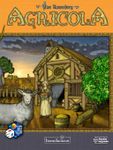
say that you can't have uncontested or personal spots in a work replacement game but the core of the gameplay has to revolve around central spots that you are competing for therefore you're using a limited resource of workers on a limited selection of spaces and those spaces are granting different bonuses and different rewards and the third part of the definition is that the majority workers are not permanently placed on the board they can be removed and reused in later rounds or at a later time during the game now it's okay to have some spaces that are permanently locked down but the majority of workers should return to their owner at some point during the game now the whole game revolved around placing workers in places and they stay there for the whole game that wouldn't be worker placement the majority of those spaces have to clear out at some point during the game and this creates what is the core worker placement gameplay loop at the start of a round you receive a certain number of workers you then place them in contested locations in order to get the maximum benefit for yourself over the other players then at the end of the round those workers are removed from those spots and go back to your hand to be used again later now using those three criteria let's look at some worker placement games in agriculture you have a limited number of workers two to five so they are a scarce resource there are limited worker placement spots and you place them to an order and only one worker can go in most spaces then at the end of the round those workers are reclaimed and go back to your hand in energy empire you have a limited number of workers and they are placed on spots to activate them however if there is a worker already in
that space you can use an additional worker or power to be able to use the space but that's an additional cost each space you use gives you a benefit or a reward and when you generate power the workers are removed from the board and go back to your hand to be used later now some games mess with this format a little but still keep the core principles there in razors of the north c you only ever have one worker and if you're using the worker placement spots at the bottom of the board you place one worker and then take one worker into your hand but there are also raid spots which are not really worker placement spots there you permanently assign your worker claim the rewards and then claim another worker so it sort of short circuits that standard system the same is true for architects of the west kingdom which doesn't have the refresh phase you can keep placing workers from your pool of 16 onto the board but eventually people will arrest them and take them away and you have to take an action yourself to reclaim them and then there is a game like paladins of the west kingdom which a lot of people think of as worker placement yes you have workers and they are a scarce resource but you only ever place them on your own board with the exception of the very limited contested spots in the middle of the board for me that tiny bit of worker placement doesn't necessarily make paladins of the west kingdom a worker placement game it has elements of worker placement in it but it's only a very small part then there are games like scythe which have worker tokens that go on the board but they're not placed in action slots you can take actions from your action selection board to get resources with them but that is not worker placement one of the big variations on worker placement
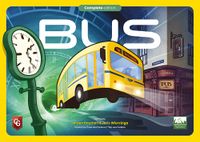
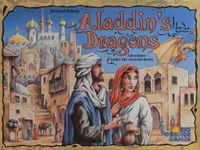
is dice placement and i consider this a sub-genre of worker placement the main difference between a dice placement and a normal worker placement game is the worker isn't a meeple or a piece it's a die and the value on the die frequently changes the impact of what the workers are doing a good example of this is the artemis project where you place dice on the board as you would workers they're a scarce resource but the value of the dice changes the benefits you get from them they're also recovered and refreshed at the end of the turn like a classic worker placement game another variation on worker placement is specialist workers in a specialist worker placement game like inaccuracy different locations will give extra bonuses to different worker types or be completely restricted to other types this is another level of complexity that adds additional scarcity to both the type of workers you have and the locations that you can place them before about 2005 there wasn't much buzz around worker placement games there'd been a few games come out like bus in 1999 aladdin's dragons in 2000 and cathedral in 2002 which had done all right but hadn't set the world on fire it wasn't until kayla's came out in 2005 and rocketed towards the top of the board game geek charts that people really started to take notice of worker placement in the years of follow we had a whole bunch of very popular games come out like tribune stone age and pillars of the earth but it wasn't really until 2008 that worker placement got its dominant position in board gaming and that was with agricola agricola rocketed to the top of the board game geek charts and stayed there for a
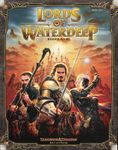
number of years and while it was up there a whole bunch of other titles came out and in the following 12 years there's been hit work replacement games practically every year some of the more noteworthy ones include loads of waterdeep caverna evidel underwater cities anachrony and a feast for odin and while worker placement isn't quite as dominant in the hotness these days as it was 10 years ago in the last year or so we've had on mars come out lost runs of arnac and june imperium so worker placement is still a very popular genre so to recap what makes a game a worker placement game well it's a game where you place workers on the board and get bonuses and those workers must be a scarce resource the placement spots must be scarce as well and there must be some point in the game where you can take most of those workers off the board to reuse them later three minute board games does not do paid content support us on patreon to keep us independent and if you enjoyed this video hit the notification button and subscribe to the channel