First Player Advantage in Board Games | Settlers of Catan & More!
Games in This Video
20 games are featured in this video — they unlock as you watch.




Transcript
so nice who wants to go first let's consult the rule so the rule book says that the person was most recently at a construction site and knocked over zombie crossing sign has the shiniest glasses as well as the strike east fire and has been a long time Dragon Ball Z fan if the first player all right possibly the first player choking then when you sit down for a fun night of board gaming with your family or friends the last thing that you're probably thinking about is who is going to go first however there has been his long lasting perception that the person who goes first in a board game has a greater chance of winning which is also known as the first player advantage in this blog we examine and discuss the idea of the first play advantage in the context of modern board games and we look at how modern board game designers have tried to soar to Olivia's first play advantage Ravech by integrating into their core board game design so what exactly are some of the advantages of being the first player in a board game as the first player picking a prime starting position is an advantage of the play and they have for example building your settlement next to key resources or placing your starting pawn on a space that helps you to gain control a particular prime territory is a way that the first player can advance their
strategy early on so let's see if the first player advantage effect occurs in one of the most popular board games of all time Settlers of Catan now the initial placement of the settlements at the beginning of the game is probably one of the most crucially important things to get right when playing this game so let's say the red place first blue is second orange is third and white is 4 and how you place your settlements out in this game is red would go first then blue would go next then orange we go third white would go fourth but then why would then place this second settlement first followed by orange blue and then finally back to the first play of red now that strategy or that mechanic is today to try and balance out the first player effect so what you'll notice on the Settlers of Catan board are these numbers and these numbers are placed out based on the letter that's written on these little disks those disks positions are predetermined what is a predetermined are the placement of these resource tiles they're placed randomly so they get this random board game affair every time there are five key resources that plays with me but players will rarely have all five of the resources to the key here is to try and build your settlements so that not only do you get diversity of resources but you also get numbers which are commonly rolled by to die so we know a little bit of chance of
probability the number seven gets rolled a lot the number seven in this game allows a player to move the robber to block the production of a resource on a particular hex tile in the game but we know that the number six and eight are the next most commonly rolled numbers which are marked by the red font also these dots you tell you how common those numbers can be roll on a pair of dice so if your player won you're looking not only for diversity but for numbers that are commonly rolled due to dice so the red player looking at the board you've got this spot here this Junction here where you've got eight ten and five and if you're looking at the numbers they're quite commonly rolled but the first player will most likely place their settlement in this Junction he'll play is going to come along and think well you can't build in the next Junction that a player has already building you need to at least build one Junction away so the player that's following up might then build here because these numbers are quite easily rolled orange player scopes at the next most commonly rolled numbers and you've got an 811 four and you've got a little bit of diversity there too by the time it gets to the fourth player the options become more limited here you've got a six but you've mixed to a four and A three which really had low numbers but also you've got two of the same hex resource
and one that is different and then the game aims to balance itself out by then allowing the fourth player to then go first play at this stage a lot of the highly contested positions have already been taken up so it's going to be very difficult for this player to then choose another number or range that we'll probably benefit their game strategy through many other factors that come into play that help to negate the starting position advantage in Settlers of Catan first of all it all ultimately comes down to the luck of the dice or in terms of which resources get activated and what is collected secondly it also comes down to the relationships that plays develop with each other as they trade resources throughout the game thirdly the robber can be placed on our particular hex tiles to try and block a particular resource production especially if there's a runaway leader and finally at the beginning of the game when the last player places their first two settlements they can do so so that they're close enough to each other to try and fight for that longest road objective very early on in the game in I'll burn Ryan Locke at the game's design has negated this starting position advantage by allowing the last plan turn order to pick their starting port first and the first player to pick their starting port last because this is a game about travelling different distances across the board to activate certain actions it's really important that the last play internal to gets the first choice to choose the port so they can be closest to the actions that they want to activate in Cyclades each player has predetermined starting positions in
Kemet the map is designed specifically so that each place starting cities equidistant from each other as well as two obelisks and temples so that distance and mobility is not a primary issue or advantage in the game being the first player allows you to occupy highly contested positions on the game board especially worker placement style board games where multiple players will want the same resource will take the same action so going first allows you to take that action first before the other players and locking them out and hopefully gather the resources that you'll need to build your engine up and garner those winning combos first in Agricola being the first player comes with a significant advantage if this is the beginning of a new round in the foreplay game of Agricola and these farmers represent the turn order of each of the four players let's have a look at what happens when you are the first player the first player has free choice of any of the options that are currently available at the beginning of the game and they're more likely to choose something that will help them build their farm really quickly like taking the three wood from the forest which can be used to build things like the stables a room or even little fences this second player is then left to choose from the remaining actions and you'll notice at the Grove over here only has two wood compared to that forest so they might choose something like the Grove or they might go for the hollow or they might go for the reed bank which is also vital for building a room so they might end up
going for the reed bank and taking the reed this third player now has even less go for choice when it comes to choosing out of all the available action spaces they might have a really good occupation card in their hand that they can play which might gain them some really good early resources on so they might do that or they might go to the Grove and then pick up the two timber and use it to build their farm now when it comes to this last player they really have a limited option of choices to choose from because the other three players have taken up things that they've wanted first so they could also go for this meeting place which allows them to now hit the first play marker and then become the first player in the next round introducing interesting game mechanic which allows players to expanded worker to fight for the start and play mark which allows them to be the first player at the next round and have first choice of all the action spaces and resources that they need this introduces a new level of conflict and tension between the players if no advice for the starting player marker space then the person was a starting play at the last round remains as the starting player for the next round but that space in itself also sets the players at a little bit of a disadvantage that first player doesn't need to spend a work in order to claim that but these other three players do need to spend a work and spend resources to gain that first player power and for it to change hands
I guess the compensation here is that players will be able to play one mind improvement card from their hand provided that they've got the resources to pay for it interesting point to note here about the setup is that first play starts with two food place two three and four each start with three food each and this fourth place still disadvantage when it comes to their first turn they've got three less action spaces to choose from yet they have the same amount of food as plays two and three so in this game at the beginning you really want to be played two or three because not only do you have a scope of a lot of more action spaces to choose from compared to the last play but you also get the same amount of food and more food than the first player so it may seem that the turn order during the first round of the game really sets the fourth player at a disadvantage but the beauty of Agricola is that there are multiple objectives and multiple ways to try and get those points so if someone takes the wood first then maybe it's important to start plowing the fields and sowing some grain first and working on those other things that you need on your farm second of all the game also comes with these tiles that players can use in order to try and give them some extra actions especially at the beginning of the game and these tiles are included in the revised edition of a great love Tolkien the Mayan calendar has a similar mechanic where plays need to spend a worker to claim the power of the first player using workers in this game cost corn so players need to decide when it is most advantageous to use it
also Tolkien uses a clever mechanism that helps alleviate the blocking effect in a worker placement game and that is to make place pay if they want to gain a better position and thus better resources or effects workers in zorkin can elect to wait several rounds to get what they want or paying upfront for a better position to balance out the first player advantage in viticulture multiple workers can occupy available action spaces and the use of a grande worker allows each player to take one action that they want regardless of the number of players already on a space the first play to take an action each year is determined by the order on the wakeup track in spring the last player of the previous round selects where on the wakeup order track they want to go and there are some great incentives for not going first by rewarding players with things like an extra worker plant card or even some ore win visitor cards going first also grants you the power to choose so if you're playing a game with a marker track or a shop where players need to purchase items to add to their tab loan going first means you have the first peek of the options that are available and sometimes that means picking things that would benefit your strategy and build up your gameplay before the other players can have those items first paperback is a deck building game where players purchase leather combos from a market style area using the total point score from words that they create using leather cards played from their hand the first player often gets first pick of the letter combos that are currently face-up in the market offer area control
game where players purchase different combinations of races and special unique powers in order to gain the most control over the land so let's have a look at this race banner track at the beginning of the game six random races are placed in order like so six special unique power badges are attached to the banners like so to create six unique combos the first play at the beginning of the game will have a choice of six of the combos that are out on the field and they might choose the best one over six and for example that say it's flying saucers they would pay the coin like so in order to access that particular combo and remove it from the track and then a new combo would be revealed and the previous one would be replaced the first player has an advantage because they get to pick the best out of the 6 combos available at the start of the game now when it comes to the second player the second player will be able to pick from the 5 combos that the first player passed up on or which the first player thought might not have been good combos and then potentially one good combo that appears from this stack and if this combo is more powerful than all the other ones that were passed up that play is going to at least have to spend 5 coins to get it now you can start to see that the first player may have a slight advantage when it comes to picking the best combos at the start of the game the game compensates and evens at the play thought in terms of combos that don't
is this accumulation victory point coin technique where players who pass upon a combo to access better combos further down the track place a coin on each race as they do so thereby at some point these race combinations are going to seem a lot more attractive in the later game because they're going to have a lot of coins on them which players will need in order to win when it gets to the final round of the gameplay score their victory coins at the end of their turn not at the end of the entire round because the first player doesn't change in a game of small world the first player potentially has an advantage at the end of the final round after they've conquered the regions and calculate their victory coins their turn ends and that's the end of the game for the first player when it passes to the second third fourth and fifth player nothing that they can do will be able to affect the first place score so that presents itself with an interesting mechanical dilemma there are obviously lots of ways to try and negate this first player advantage and it requires players to work together and possibly to work against the first player early on in the game to try and even out the playing field the first player advantage is alleviated in the game five tribes where players have to bid for turn order using their coins especially if they want to claim a meeple combo that will yield a desirable number of victory points similarly in city of iron plays bid for turn or about taking their cube and placing it on the turn order track players may need to pay coins if they
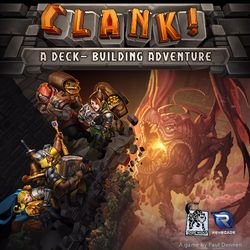
wish to go first in Cyclades plays need to bid against other players for different gods that can provide players with actions required to progress in the game the bidding mechanism draws on the plays income which is generated from their success in role player plays who pick the higher dying numbers during the dice drafting phase are pushed further back in initiative order when it comes to purchasing from the market track turn order and turn structure in a board game a critical components that help Jill a board game together and giving the mechanics that revolve around those ideas and concepts is really crucial for making a game feel smooth and fair for all players regardless of whether you going second third fourth or last games like race for the galaxy enroll for the galaxy a simultaneous action selection games where plays take actions at the same time eliminating the need for a first player some games compensate plays for not being first such as in Magic the Gathering with a second player draws an additional card to use in many Ryan locket games such as above and below the first player has less starting coins than the other players in Kemet during the night phase the play with the least number of victory points determines the turn order for the next round encode names the team that goes first has one extra word to deduce compared to the other team in Clank the board game Clank cubes hinder your game progress by causing a player to take damage the first play at the beginning of the game places three Clank cubes into the bag the second player places two and third
and fourth players place one only thereby increasing play ones chance of drawing out a Clank cube early in the game and balancing out the game for all other players so we've only skimmed the very tip of the iceberg when it comes to delving into the issue of the first player advantage so is going first really the best thing that you can do for your gameplay or is going first the worst well yes and no and to do this we need to delve into this issue from a completely different point of view so why then shouldn't you be the first player well first of all if you make that opening move everyone is going to be watching you very closely and analyzing what you're going to do trying to decide for your game plan or potentially working on a plan to try and adapt and block and counter the moves that you make in your opening turns second of all you don't get to see how the other players play and what game plan or game strategy they've got in mind in order to try and reach their victory or win condition and if they do execute a really powerful move it will take the first player several turns to try and counter that move and respond and adapt to those moves that later plays making the lake turns going first and board game likes photosynthesis could be a disadvantage first of all you don't know where all the other players going to place their starting trees and second of all once you place your starting tree a subsequent plate and place the tree right next to yours causing it to block any light that you're going to get on subsequent rounds so let's say the first player who plays
the blue tree goes there and then the second player who plays the orange tree decides to place their tree there the third player might place them there fourth player my place at over here then it's back to the first play the first player might decide to place their tree he second player might decide to place their tree there what we can see is happened he is that the second place strategically placed their starting trees in a way so that once the Sun revolves around to the next position the shadow of these trees is going to block the first players ability to collect light points forcing the first player to upgrade their small trees into medium sized trees to try and avoid this particular effect and thus affecting their early game strategy going first in the game like this is like exposing your complete hand of cards you're showing the other players what you're potentially going to do and they're going to react by placing trees strategically positions to try and limit your ability to get ahead of the game and the game hasn't even started yet in Santorini plays continually adapt and evolve and change their strategies in response to the other plays actions in the abstract are laying game azul' where players draft tiles from the factory and place them in vertical and horizontal arrangements in order to score victory points players are actually penalized for taking the first player marker the first play to draft tiles from the center space also takes the first player token places it on their floor line track and loses one point at the end of the round so you can see that going first isn't always that crash hot and
sometimes can benefit you in some situations and not others and in some games being first is irrelevant all together so how does this fit into the overall picture well plays me to always try and play optimally and sometimes playing optimally might mean getting that first player token going first executing those moves first and picking what they want first and sometimes it's holding back a little ooh what you want another player does before deciding on what action to take but more optimally you play and the more you can see gaps in your opponent's strategies and the mistakes are than me the more you're going to be an advance in the game and let's all face it we are human players are going to not always play optimally they're always going to make mistakes errors and the more that you can see the errors of mistakes and other people's gameplay the more you can enhance and advance your strategy so being the first player is simply a small puzzle in a bigger wider picture of your game plan also good game design includes multiple ways to achieve the same goal having multiple paths to victory means that players to a second third or fourth aren't disadvantaged by the first player effect and meaning that there is always different ways and different strategies to think about to reach that end goal in race for the galaxy the endgame is triggered when a player plays 12 cards in their tableau or gains a certain number of victory chips the sorts of card combos which players used to reach
that victory endgame condition varies from Player to Player in takenoko players when when a certain number of objective cards are completed by a player players can reach this goal by completing their chosen combination of plot gardener or pander objectives in seven wonders jewel players can win either by military supremacy when the conflict pawn moves into the opponent's territory or scientific supremacy where a player gathers six scientific symbols in their tableau or simply by collecting the most victory points by civilian victory there are also multiple ways to win in the game Cyclades where the endgame condition is the first play to build two metropolis players can either build one of each of the four different buildings they can convert for Philosopher's into a metropolis or they can combat other players and gain control of other player's buildings even scythe allows place to end the game after they have completed six out of ten possible player chosen achievement goals that correlate with the triumph track a really great gaming session plays we'll always remember who won who lost and who got frustrated that they flipped the table and ended the game night pretty early on no one will ever remember who went first and that's because it's the memories at the gaming table that people take away so is going first a surefire advantage way to winning a game you decide you go first