Top 100 Mechanisms in Board Games: 40-31
Games in This Video
22 games are featured in this video — they unlock as you watch.










Transcript
hi i'm adam porter and this is my top 100 board game mechanisms of all time and today we're looking at numbers 40 to 31. so number 40 on the list is probably inspired by my love of super bomberman i play super bomb man as a kid an absolute ton and the thing i really enjoyed about it is that that sense of destruction sheer destruction of the playing space and you don't get that much in board games but there are a couple of games which do feature elements like this sort of so i'm thinking of the game survive escape from atlantis where you're on an island with different tiles representing the different areas of terrain and on your turn you're removing tiles which is knocking pieces into the sea where the sharks can attack them and this sort of thing that that wanton destruction and vindictive gameplay uh as the board is kind of destroyed throughout the game but equally you could play a game like downfall of pompeii which goes the other way this is where we're adding tiles to the board but the tiles we're adding represent lava and they're cutting people off from the exits from pompeii the first half of the game you're placing your people out into different buildings and then the volcano erupts about halfway through the game and now your people have to get out of the city and you want to get as many people out as possible but the other players are trying to cut you off by placing lava and destroying your people or just you know cutting off exits and so so on and so forth so some of the feel of bomberman where those blocks fall from the sky and reduce your playing space and everybody gets a bit stressed number
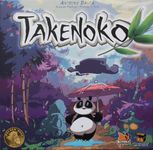
39 is equally sort of annoying i suppose but but a bit less vindictive this is accidental blocking so this is in games like ticket to ride where i might form a row of my trains to make my connections and i accidentally get in somebody else's way now i could do it deliberately if i'm really good at the game and i'm really thinking about okay i think they're heading for this but more likely you're just going to accidentally get in someone's way by using a route that they wanted to use and then they're going to have to adapt their plans i think that's a really nice level of interaction in games because it's not mean spirited it's not vindictive but it still means you've got to constantly keep thinking and that what somebody else does directly impacts you another game that does this is the game takanoko where you're moving the panda around the garden eating bamboo because you've got objectives which say you've got to eat certain colours of bamboo meanwhile another player's got an objective which says that the gardener needs to grow certain colours of bamboo and so they're moving the gardener around trying to grow it you're moving the panda around eating it and you're just getting in each other's way without deliberately trying to step on each other's toes and i think that makes for really dynamic uh gameplay number 38 is dice placement so this is a form of action drafting or action selection where a bunch of dice are rolled and then you start to use those as essentially as workers so you're placing them out onto the board in order to claim certain territories to claim certain rewards but you might want a certain number to show on your dice
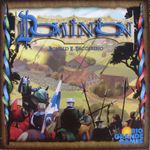
in order to place it or it may be that the number that you have off showing on the dice changes the type of reward that you can get when that dice is placed so i find this it's generally quite a complex game mechanism it's probably not for you know casual players or beginners to hobby gaming but but for a sort of meaty strategy game it does allow lots and lots of design space and lots of lots of nice choices meaningful decisions in in the game generally people think about dice games as being full of randomness but actually these games generally aren't absolutely full of randomness you know because the dice are rolled and then we determine what we're going to do with those dice rather than deciding what we want to do and then rolling the dice to see if we can if you see what i mean so it's kind of in reverse uh the difference between input randomness and output randomness so dice dice placement is one of my favorite mechanisms in heavier strategy type games next on my list is deck building so deck building is i've just found it immediately um exciting immediately engaging the first time that i played dominion it was one of the early games that i played when i first got into kind of the euro game side of the hobby for many years i've been playing party games and um games workshop games and and you know the classic mass market stuff but one of the first games that really got me into the hobby was dominion it was so exciting this idea of having your own personal deck that alone
is exciting and different to the vast majority of games that i had played in the past virtually every game i'd ever played we had a shared deck that we drew cards from but here i've got my own deck but even better i can adapt that deck i can add cards to it um i can i can take cards out of it and and the other player has very little sort of interaction with my deck specifically that that felt great but the even better the idea and dominion that we're crafting that deck as we play it's not a case of before the game we does we we design our own little deck and add cards to it things like you would in something like magic the gathering now here the deck is created as we play we're buying cards from a central pool we're putting them into our discard pile and then every now and then our discard pile is getting shuffled up to form our new deck and so things are being added and the deck's getting better and better your turns get better and better there's a real sense of momentum as you play the game so this of course is not just featured in dominion although that was the first to really make it the center of uh of a game but it went on to be adapted into all sorts of different mechanisms like bag building which you see in quacks of quedlinberg essentially the same thing but here we're drawing little tokens from a bag rather than drawing cards from a deck it got incorporated into other genres like hardback or paperback where we're creating words by buying letters and adding them to our deck so each round new letters are coming out and then we'll be able to able to create words spell them out with these with these letters i've mentioned this hardback in a previous one of these
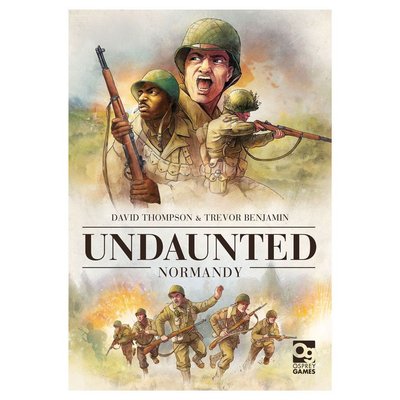
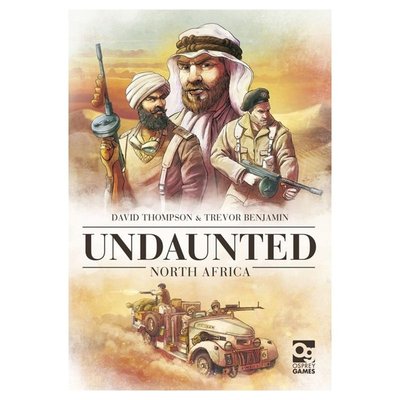
lists games with a board but with a deck building aspect to it so something like undaunted normandy or undaunted north africa where the deck building is just a way of driving the action of moving your soldiers around the map around the terrain and and shooting at each other and you know all the different actions that these soldiers get up to controlled by a deck building mechanism that's refreshing it's a very different way of controlling the pieces on the board that doesn't require traditional card play or traditional use of dice for example number 36 is quite a specific one i'd say it's quite specific because i can only think of one game or two games that actually use this mechanism and they're essentially very similar games by the same designer so this is partial shared information the game habengut is one of my absolute favorite games because of two mechanisms and this is the first of those mechanisms so in habengut we're controlling stock prices and we're purchasing stocks that we're going to keep in front of us it's a relatively simple game one of the lightest stock market games that i've played so you're buying stocks and then you're trying to obviously buy them when they're they're low you know low in cost and then sell them when they're high in value and you want to manipulate those prices but you've got two sets of information one between you and the player on your right and one between you and the player on your left and that's a little pool of cards that's positioned between you physically positioned between you and the next player and both of you can
access those cards and manipulate the stock market but when you play cards you're going to play one from the left and one from the right one of those cards is going to be played at full power the other one is going to be played at half power so even the player to your right or the player to your left can manipulate those cards a little bit and and affect how things work they've got different powers to you but they've of course got different information to you they've got half the same information but they've also got another set of cards to their left or their right which you can't see so everybody's got a bit of the same information a bit of different information and it makes the game really really intriguing you know you've got a feel for what's going on you can predict the future to some degree but so can everybody else and they've got different information to you i find that really really intriguing as a mechanism it was re-employed this is by the designer carlo rossi and he re-employed that mechanism in the game divinity derby davinci derby which is a racing game that uses exactly the same mechanism of the cards to your left and your right i didn't enjoy davinti derby as much i suppose um i like racing games as i've already mentioned on this list but i really really like stock market games and so i kind of felt like it was a lackluster version of harbaugh so i'd always go for harbor goods over divinity derby but either game you you'll have a great time with it if you can't harbon good is very hard to get hold of it's been out of print for a long time and it's only ever released in germany but divinity derby might be a bit easier to get hold of if you're interested in that mechanism number 35 is a time track so a time
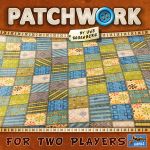
track is where players are are in order going around at a track of some sort so the player pieces are in some sort of order and the person whose turn it is it doesn't go clockwise around the table the next person's turn is the person who is furthest back on the track and they can jump as far as they want on the track in order to take some sort of action so they might jump way ahead of everybody else or they might just move a tiny little bit if they just move a tiny little bit they might still be at the back of the track which means they're going to get another go and potentially another go before the players who are at the front get to go again okay so jumping way ahead and getting the best possible actions is fantastic you get great stuff before anybody else but you might be handing them a bunch more turns than you have in the game so essentially you're using time as a currency it's also used in the games to kaido which is quite a relaxing simple set collection game um patchwork uses it really effectively so here we're we're buying um patches to go onto our quilt again it's a tile laying game but this time with polyominose and some that each of the the tiles that you take has a cost in terms of time and so it's going to advance your certain position up the track now you might take one which is nice and cheap doesn't cost you much time at all fantastic we might take one which cost you loads of time but it's exactly the piece that you want but now your opponent has several turns before it comes back to you next on the list is physicality
now this is a very broad category isn't it i i've called it physicality but it's a very broad category what i'm talking about is games that get you um up and being physical maybe getting you up on your feet moving around the table maybe it's games that get you contorting yourself in some way so something like yogi okay in yogi we draw a card it tells us we have to put that card somewhere on our body so we position it behind our ear or whatever or under our elbow under our armpit or something like that it has to stay there and so in the next term we're trying to take a card but we've got a card positioned somewhere else in our body if we ever drop any cards we're eliminated from the game it's a very simple system but but really really fun and satisfying equally i really enjoy games like happy salmon where we've got a hand of cards and or a deck of little mini deck of cards and we we're drawing a card and it tells us we have to fist bump somebody and so we're looking around the table for somebody else who's also looking to fist bump and so we fist bump them we throw away our cards and now the next one we've got to give someone a high five so we're calling out high five high five has anyone else got a high five card you give them a high five you throw away your cards the next one says switch room you've got to swap places with somebody around the table or happy salmon where you've got to slap each other's wrists and so everybody's running around a table shouting over each other trying to find the people with the same card and it's all over in i don't know 30 seconds or a minute i really enjoy games of happy salmon it's really invigorating it's great with young players um i've played it with my german family and my english family
who can't speak to each other because i don't speak the same language but they could all play happy salmon together so that was a fantastic experience other games i suppose was trading slightly outside of the board game world here into crossbowl okay crossbool is uh the reason i include it is because it's it's produced by zoc verlag uh or norris spieler who who are i consider them a board game company so this i love zok verlag i follow their range i buy lots of their games and crossball is excellent it's essentially a bunch of little bean bags you get them in all sorts of different varieties of nice patterns and you can choose the pattern that you want and so on but you can adapt the rules of the game but essentially because they're soft these things are easy to throw and they're not going to damage any good anything or hurt anybody and so you set up some sort of rules or limitations but what you're trying to do really is get the tiny little ball chuck that and then everybody else throws their their bigger bean bags and they're trying to land it as close to that ball as possible you could position it so that it's on some sort of i don't know some sort of piece of i was going to call it terrain that's a very bored gamey term isn't it some piece of furniture or or some or a wall or some sort of object out and about in the street or you could play in your house you could make up rules about throwing these balls in a certain way you've got to throw it under one leg or you've got to throw it over arm or or whatever it is throw it with your eyes closed okay and actually want a really fun way of playing it is kind of making up the rules as you go along on your turn you have to come up with a rule which
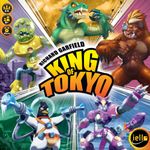
everybody has to use for that particular that particular round and then another player makes up a rule it's very very adaptable it's very silly but it's really physical and it's a fun game number 33 is the artsy mechanism now there's probably an official um term or something that's kind of accepted now by game designers as the term for rolling dice and re-rolling them a number of times but everyone just knows it as the artsy mechanism i think that's what i think of it as so this is the kind of uh mechanism where yeah we roll a bunch of dice we can re-roll them two maybe three times and then that's our final set of dice each time of course we can lock certain dice so we don't have to reroll everything we can keep the bits that we want and we're trying to create certain sets of dice in order to achieve points that's the simple basics of yahtzee this is used in games like king of tokyo which is a very attacky game where we're rolling dyson and we're trying to gather up power and energy to to use special cards or maybe we're just going for straight out hits on the opponent to knock them out of new york or tokyo and i find it particularly satisfying in the game dice town which is where everybody is doing this simultaneously that's what i love about dystown everyone's got their own set of poker dice and they're rolling them all at the same time you're not having to wait for somebody else to to take their turn one thing with these yahtzee type games is if there's just one set of dice and you take it in turns it can be quite a long process while you're waiting for something they're rolling dice thinking about what they want to keep oh they're rolling again right now they're rolling again and
you're just sat there there's nothing you can do there's nothing you can plan because they're quite chaotic type games and you don't really know what you're going to get when it's your turn and so having a game like dice town where everybody's rolling simultaneously and then we compare our results and see what we get makes the game really really fast moving and energetic number 32 is construct or draw and then guess okay so i'm talking about games where we're either drawing a picture and then the other players have to guess what we've drawn or maybe we're molding something out of clay and then everybody else has to guess what we've made or it could be for example in the game legloss which is a favorite game of mine from zok verlag again um in leglose we're laying out sticks and discs and we're making a picture and you've got to kind of recognize which picture we're trying to represent from a grid of different pictures i believe the the recent field is yara's winner pictures i haven't played that but i believe it works in a relatively similar um sort of way i suppose this is a variation on charades really where we're constructing something with our bodies you know we're we're holding a pose and other people have to or we're doing an action other people have to guess what we're doing but i do really enjoy that um i i enjoy that kind of guessing looking at things that people have creatively come up with you know how have they interpreted it and how are they trying to put things across what are they trying to say i find that fascinating um and it's always a fun party time there's a lot of
familiarity here as well nostalgia going back to games that i played as a kid games i played with my family at christmas and things like this often would be around this genre of games and of course my own game doodle rush is one of these games where you have to guess the pictures that other people have drawn and doodle rush was inspired the design of doodle rush was inspired by happy salmon which i've mentioned previously you know what would happy salmon be if it was a drawing game well you'd have everyone drawing pictures as fast as they possibly could and then swapping pictures and running around a table and trying to guess each other's pictures and then throwing away the cards and you know that's exactly what doodle rush is it takes six minutes to play which is three rounds of drawing one minutes each and three rounds of guessing one minute each so it's super fast super quick chaotic but all the fun of something longer like pictionary compacted into that six minute slot and number 31 is storytelling and creativity so this is again quite a broad category it could be something like untold adventures await so in untold adventures await we're literally sitting around telling a story together making it up as we go along cooperatively it's it's barely a game okay it's a it's something where there's no competition there we're just trying to tell the best possible story so essentially it's a cooperative activity but we're powering it this story the engine for it comes from rolling rory's story cubes and these are just the most fantastic little components that i've i've found in games i absolutely love them i've got a
massive set of rory's story cubes each cube has six different images on it they're all different every every cube is different i've got loads of them and so you roll dice and then you these cubes and then you've got a bunch of pictures and you interpret them in different ways and some of these pictures are just abstract enough that you might be able to read it as one thing if it's one way or one thing if it's the other way or one player might look at it and see something which you don't see and when you put two of them together then that creates some unique combination that you hadn't thought of previously it's a really fascinating thing storytelling as games i used to be a an actor years ago and i used to do a lot of improvisational sort of theater improvisational comedy and things like that i wasn't terribly good at it but i uh but i really really got involved in storytelling and how storytelling works and this game really gave me a chance to kind of stretch those uh muscles again other games with creativity in them that i really love serano is a real favorite of mine a great party game where you have to write poems you're basically given a rhyming scheme you've got to use this rhyme and this other rhyme in two rhyming couplets and you have to use the most obscure words so you've got to try and use a word that nobody else around the table has used in order to score points and the poems that people write are hilarious you know of course it's not a game for everybody because you're going to put this in front of some people and they're just going to go i don't want to write a poem and also it's quite a quiet party game because a lot of it is sat there trying to come up with something writing something it's not the most
lively of party games but when people read out their poems it's hilarious people are falling around laughing so you've got that long quiet spell and then the bursts of laughter i don't suppose this game is going to come back any time soon because i can't imagine it's got a massive market for people who would like this sort of thing but i really am part of that market i do like this sort of creativity in games and of course as well as counting down my top 100 board game mechanisms of all time we're also counting down my 10 board game mechanisms i really don't enjoy and today we're at number four and my number four mechanism i think is i think it's the best example of a mechanism which is there purely to simulate real life because it's not a fun mechanism it's a fiddly mechanism it gets in the way it's frustrating it's complicated it's different in every game it's purely there as a simulation i like games which um embrace abstraction yeah they they they um prioritize gameplay satisfying gameplay over real life simulation so anyway what is the mechanism the mechanism is line of sight this is what line of sight is is where you've got a playing piece on the board and it's going to shoot at another playing piece okay but that play in peace might be behind some sort of terrain and that terrain might not even be physical terrain it might just be drawn on the board or something like that and which makes things even more complicated and you've got to work out can that play in
peace see that other playing piece of course playing pieces are i mean they're representing peace people who can move they can move they can reach out from behind that wall they can see but then maybe they'll get shot if they do that or maybe they're hiding behind that wall then they can't be seen and so we've got to abstract that down so we end up with mechanisms where we say right well you take a center of your square on the grid and you draw a line if you draw a straight line from the center of that point to the center of a point on that other square does it contact a wall or another piece of terrain it sort of does on the corner but it's not crossing through it ah well if it touches on the corner that's okay if it's crossing through the wall it can't be seen but another game says no it can't touch on the corner and what about if there's a playing piece in the in the way so it's not a wall or a piece of terrain can i see through that other playing piece presumably that person can move around and get out of the way and so on ah well in some games you can't see through that playing piece in other games you can see through that playing piece or maybe you can see through that play in piece if it's one of your own army it's a friendly unit but you can't see through that play in peace if it's an enemy unit oh it's so frustrating it just gets in the way it's not fun i don't have um a solution i'm not saying don't use line of sight i mean people want simulation in these games of course they do we're trying to represent something um focused aren't we we're really honing it
we talked about this in the grid based in where i was talking about grid-based movement it it's really focusing in on individual characters and what they're doing moving around a real space we're not looking at countries here like in pandemic where we've got a map of the world and we're looking at cubes and a player pawn and you know we're actually looking at individuals within a specific space so it's got to be realistic oh that line of sight is a ball i'm not going to go on about it anymore because i'm becoming a bit of a bore here anyway i hope you enjoyed this video let me know what you think of the mechanisms i've talked about today come and join me for the next installment if you're new to the channel thanks so much for watching please stick around please subscribe and please comment and say hello i really like to hear from people that's the main thing that keeps me doing these videos is interacting with all of you i'll see you next time all the best