Simultaneous Yet Interactive: My Top 10 Games










Transcript
Hey, I'm Jamie from Stonemire Games and today I'm going to talk about simultaneous yet interactive games. So, one thing I found is that I really like how simultaneous games scale up to higher player counts and down to lower player counts, too. Keeps the game flowing along. You can get a fairly substantial game in in a time frame that would normally be required for for, I don't know, 2 to three hours. in one hour you can you can have a really full even heavy gaming experience with a simultaneous game. Now the difficult thing I found when trying to design a simultaneous game is uh having elements of interaction and I don't just mean conflict with other players. That is a very small subset of interaction but I mean any sort of meaningful interaction where uh you have reasons to pay attention to other players where you can affect the decisions that other players make and uh among other things. I'll talk about the types of interactions in in this video. lots of different forms of interactions.
Um, but yeah, I think it's a fascinating design space. We have some games in this space, but I'm always continually uh examining it to learn more from it. And the Stommy games that already fit into this category are Between Two Cities, Between Two Castles, Libertalia, Winds of Gailrest, Origin Story, Pendulum, Smitten, and Stamp Swap. Some of these will come up in the categories that I mentioned in my top 10 as well. As for our panelists, let's start off with Here we go. So, here is uh Caitlyn, our digital gamer, picked Ecos first continent as her pick. Caitlyn says, "I love that Ecos allows us to put all cubes on our cards at the same time, but then if someone gets an EOS, they take their turn and depending on what they do, building the continent, adding or removing animals, can have a potential effect on the other player strategies." Uh, for example, Caitlyn mentions if two people call ECOS at the same time, if the first player does something that affects the second player strategy, the second player is allowed to undo their ECOS. That sounds really cool. I have not I have not played EOS First Continent. So, this is the only one on the list uh that as far as I can think of off the top of my head that I've not played. But that is really interesting that it gives players a way to do things simultaneously, but then they can kind of pause the game at an organic moment rather a time in the game that I'll talk about later where the game says, "Okay, you got to stop and do something nonsimultaneous." Now, I think that's really cool in Eco's First Continent.
The next panelist pick is Magic Maze. This was our family gamer panelist, Skyler's pick. Skylar says, "This game is hilarious. It is a cooperative simultaneous robbery. There are no turns. All the players share the movement of the characters, but the catch is that no one can talk and each player can do only one specific action like moving north or using an escalator. It is a great exercise in learning to work together to safely make it out of the maze. It is particularly great for families as it starts with simpler levels and slowly increases the difficulty, allowing you to adjust things to your preferences. I have played Magic Maze and actually I focused on competitive games in this video. So, um there won't be any cooperative games in my top 10. Um but I'm glad Skylar mentioned one here. In fact, let me jump and mention the cooperative games that would have been in this in this category. And the reason I didn't pick these is that I was looking for the types of interaction I was looking for was in the the framework of competition against other players. Nothing against cooperative games that are simultaneous.
I think in fact this is a great category. So, some of my favorite cooperative games that have simultaneous elements are Slay the Spire, Invincible, Spirit Island, Mechs Versus Minions, and our game, Spitten, or my game, Spitten. Last up, we have our heavy panelist, Dylan, picked Creature Caravan, as his pick. I actually wouldn't call this game particularly heavy. It's a It's a mediumweight Euro game and I don't know if I'd actually call it all that interactive, but there is a little bit of interactive in interaction in terms of uh two different charts in the game or it's a little bit of a race to fill certain slots on those charts. Here's what Dylan says. He says, "I added this game to my collection specifically to be my mediumweight simultaneous turn game. I love trying the different strategies and I really love that they all seem viable based on the cards you add to your caravan. I find myself wanting to go back and focus on a mechanism that I haven't leaned into as much or that didn't work out for me the last time.
There's not always going to be one strategy that does or does not work. The player interaction is a little bit minimal, but it does still matter for deciding when to utilize trading or fighting. Those are the two charts I was referring to. It might even price you out of one of those strategies. Also, the fact that you're all moving around on this map does make it feel like you're on an adventure together, even though that is more thematic than mechanical in terms of interaction. Thank you, Dylan, for sharing that pick with Creature Caravan. All right, so in my list, I broke it down by category of the overlap between simultaneous play and uh interaction. So I I have uh 10 different categories here, 10 different tools in your design toolbox that you can use and my favorite example from each. I've ranked these mostly in terms of my ranking of these games, but also the context of these games within this specific category.
Let's start with number 10. Number 10 is Trade on the Tigers. And the category here, actually, I'll start with the category. The category is real time trading. I do have a video about trading where I talk about uh how trading works. Sometimes trading in games happens turn by on a turn-by-turn basis, but in trade on the Tigris, it is fully simultaneous real-time trading. you kind of had a you actually had to have a timer. There was an actual timer in this game, which isn't the case in most of these games that I'll talk about today. And and during specific time, those specific uh time frames, you can trade with other players. You trade cards from hand, all trades are final once the cards are exchanged. So, you might trade a player a card where they didn't really have the full information for what that card was, and now they have something that they weren't quite expecting. That's a fair play in this game. Um, but uh the there's just a ton of interaction in in the in in the trading phases of this game that are that are completely simultaneous. The non- simultaneous phases are you kind of just putting the cards that you've earned into play and paying for those cards. Um, but a lot of the game, most of the game, the meat of the game is indeed simultaneous. And the trading is what makes it interactive.
It's it's fully interactive. Like you are you can't just sit by yourself and play your cards in this game. you you must trade with other players to have a successful strategy or even to have fun in my opinion. So that is the real try trading category trade on the tigers as my pick at number 10. At number nine the category here is real time teams. So one other I guess in this instance it isn't all it doesn't have to be timed but it is in real time you are working together with a team and in two different ways. The uh one of the examples is Captain Sonar. Captain Sonar is a team-based game where you're running kind of dueling um submarines with different mini gamess for each player happening in real time. But the game that I picked was the Resistance Avalon. And while this is a very different type of team game because there are hidden roles, there's a lot of hidden information compared to uh a Captain Sonar. Well, there is hidden information team to team, but within your team, you have all the information.
Um, but in the resist resistance Avalon, I wanted to bring it up because I think it is a pretty good example of a game where most of the action of the game happens simultaneously. You are simply discussing um things in the game. You're kind of sticking up for yourself. You you are are potentially accusing other players. You're putting together the clues. And then there is a non-simultaneous phase where you are very quickly voting. But that goes by very fast. Again, the heart of the game is uh discussion with other players to figure out who is on which team and uh to and when you do know that information, throwing other people under the bus so that your team can be successful in in completing or failing missions depending on which team you're on in the resistance one. So that is real-time teams at number nine on this list. At number eight, we had the category of shared action or role selection. So, these are games where you um where the role that you select is also something that all other players benefit from. Um that's that's mostly how this works. I believe one of the originals of this game was Puerto Rico. So, there can be turns in these games, but a big part of it is simultaneous.
And uh some examples of this are Roll for the Galaxy, Terraforming Mars Aries Expedition, and shown here is Raising Robots, which is a both a simultaneous action selection game, but also a simultaneous tableau activation game. It does both things because because you are activating your tableau simultaneously. The main form of interaction in this game is up here on the screen. Let's see if I can make that a little bit bigger. Up here in the upper left, um oh, I'm sorry. My toolbar is taking up extra room. There we go. Um, in the upper left, simultaneously, all players will choose an action that they want to activate that round paired with the amount of energy they want to use to uh to kind of generate that action. And that's what these yellow cubes are up here. And so after all players declare which actions they want to use, it determines which actions all players get to activate that round. So in this case, all players get to activate blue, purple, and orange actions. But the extra layer is are these energy cubes because not only are those the actions that they're activating, but this is the strength of the action or the the amount of Yeah, it's the the strength of that action for that for that round. Um, which I think is a neat twist to this game. And then you go ahead and activate your tableau, but only those actions.
You skip over green actions, you skip over red actions in this particular round. So I think this idea of shared action role selection is a a nice form of player interaction. Um, I always struggle with it thematically a little bit, like why when I choose a certain role, are all other players activating that same role? But I think there are probably some good thematic explanations for that depending on the game. That is raising robots in the category of shared action or role selection. Next up, we have the category of impact your neighbor specifically. So on the screen here, I have Bullet Heart. The other example I have is Cgraphers, which is a very low interaction game, but it does have meaningful moments in the game where a monster is drawn and you must pass your your carefully crafted map to the player on your right or to your left and they get to draw the monster on your map. Cgraphers goes with and this is all simultaneous that that you're doing this. So, Ctographers goes with a a very slight form of interaction, but I think it is worth mentioning because I think other games could lean deeper into that form of interaction where mostly you were simultaneously building something, but every now and then you pass it to another player and they get to mess with what you've created. I think that is a design space worth exploring. The other example though I have is bullet. This is bullet heart shown on the screen here.
In bullet heart, um you are simultaneously drawing tokens from your bag. It's a bag building game and I I won't go into how it works, but there it's a real puzzly aspect as you pull these tokens out and decide where they're going to fall or you don't decide where they fall. They depending on what you draw, they they fall and you try to complete patterns basically. But in bullet heart, you can the more successful you are in clearing tokens from your mat, the more the better you can use those tokens and the more tokens you have to pass to the player. I believe it's typically on their left. It might be left or right. I think it's on the left. And at the beginning of the next round, any tokens that have been passed to you from that player, this happens around the table, they have to add those tokens to the bag. And so that it it messes with their bag building in a way that I think is really really interesting. And it doesn't doesn't ruin any strategies because they might not may not even draw those tokens, but it does impact what is in their bag, which does have a pretty significant impact on what they're able to do and which patterns they're able to complete on their turn. So, I think this is a really interesting form of interaction. uh doing something where the uh the success of your simultaneous turn impacts how well a neighbor can do on their next simultaneous turn and vice versa around the table. That is this category of impact your neighbor with bullet or bullet heart specifically as my number seven pick.
And number six, we have the category of putting a separate phase or area of the board for player interaction. So the entire game isn't simultaneously, but at certain times the um the game says you have to you have to stop right now. Stop. The game is telling you to do it rather than it happening organically like an ecos. You have to stop and you have to do something non-simultaneous. It allows for most of the game to be simultaneous with only a little bit being not simultaneous and that for that part of the game can be as interactive as you want which I think is a great design tool to have. So the games in this category are Orlonesomes that's the example of the game with a separate space that is full of interaction. The map in that game the fox experiment where you're actually creating cards that go into the card pool for any players to draft the next round um among other interactions. And our games origin story and stamp swap both have a lot of simultaneous phases along with some non one or two non non- simultaneous steps.
But the most one of the most recent games that I played with this is biome. So in biome there are a bunch of step there a bunch of steps on each round and most of them are simultaneous but the most of the cards in the game are designed with an ability that can potentially or does impact other players. Most of them are very interact interactive whether it's positive or negative. And the activation of those cards doesn't happen when you play them. It happens once per round when turn by turn you can place a cube on one of your cards and activate that card's ability. Once a card has a cube, you can't activate it again unless you find some way to remove that cube. Um, but I so I like that this game really leaned into interactive card abilities and just said, "Okay, rather than the mess of doing of activating these in real time, we'll have a phase in the game where you activate activ activate all these abilities and we'll just have a lot of interaction during that phase."
I think this is a very clever way of putting a lot giving the feel of a lot of interaction in the game. There is also one other phase of interaction, the kind of the predator phase in this game that happens when you have a little a bunch of little young creatures in a certain season and a certain phase of that season, there can be predators that in your habitat that can go attack other players, little critters. Um, and I think that is that's a direct player interaction. I think it works fairly well because no matter what, all those little critters are going to go away anyway, even if the predators don't eat them. So there isn't a huge amount of loss aversion even though they are really adorable and it feels a little bad when they get eaten by other players. Anyway, that is biome in the category of having a separate phase or area for interaction. At number six, we're in the top five here. And at number five, we have the category of programming and then execution. I had mechs versus minions in this category, but that is a cooperative game. Uh Last Light is also in this category. you're simultaneously choosing a card and then activating the ability on that card. Um, but Inc and Gold is my pick for this category. This category has a pretty broad range of things that you can do. The idea of programming, then execution. And in Ink and Gold specifically, you are choosing a very simple choice. You're choosing whether or not you want to stay in the dungeon or run out of the dungeon and you reveal simultaneously. And the reason it's fairly interactive in this game, a couple of reasons actually, are that you are splitting the resources equally among all players. And so the more players remain in the dungeon, the
uh the fewer resources each individual player is going to get. Also, you leave resources behind as you go deeper into the dungeon that you can't collect because you weren't able to divide them up equally. And so, if you choose to run out of the dungeon when there are a lot of resources available in the path behind you, you'll be the only one to gather those resources. There are even certain cards that come out, these artifact cards, that only one player can take. So, if multiple players run out of the dungeon at the same time, then no one gets those cards. This game, I found, can lead to either no table talk and yet still have plenty of player interaction in this in the ways that I just described, or lots of table talk. Players can say, "I'm going to run out right now." And they can be bluffing or not. You can you could talk as much as you want in this game. Um, at least the way that I play. Uh so I I do really like this idea of having programming and then execution for uh for whether it's actions or key decisions in the game.
And Ink and Gold is my example at number four in this category. Uh number five in this category. At number four is uh deck building and paired matchups. Uh so mostly deck building here. I I'll explain paired matchups in a second. So Challengers is actually the other game that uses deck building in a very different way than Moon Colony Bloodbath. Um, and challengers, you have you each have your own deck. I just realized that I've been talking to you and I haven't been showing you my other screen this whole time. I am so sorry. Uh, yeah. Well, we're just going to keep on going. Um, sorry about that. I I don't know what I was thinking. Anyway, we're in the top four now. Now you get to look at some images instead of just listening to me talk. I'm really sorry about that. Um, so let's talk about challengers anyway, not about Moon Colony, Blood Bath. In challengers, you have your you each have your own deck and you build that deck simultaneously, but then there's also a separate phase of the game where you go head-to-head with another player. And I think this is a really clever mechanism in Challengers because it is essentially all players are doing something during these auto battles, these head-to-head auto battles, but they're doing it one-on-one at the same time that other players are doing it one-on-one. and then you break up and do the de deck building and some and then come back together. More recently, uh I have played Moon Colony Blood Bath, which uses deck building in another way that is both simultaneous yet interactive in that there is a shared deck in the middle of the table and each turn of the game you just reveal one card from the top of the deck and all players do what that card says.
Oftentimes it's a bad thing. You're losing some people. Sometimes it says take an action simultaneously. Sometimes it um and sometimes it might be a card that a player has put into that deck that only benefits them or that they put in there knowing that they're prepared for it, but the other players aren't quite as prepared for it. So, I really like this idea and I think there's a lot of the design space in this idea of shared deck building with paired with simultaneous play and that's why Moon Colony Blood Bath is my number four pick at number. Yeah, I've been changing the image the whole time and I just didn't realize that I wasn't showing it to you. Next up at number three, I have um a simultaneous card selection where you compare values upon the reveal. This is a little bit like programming than execution, but um I think it the compared values is is important for this category. Libertalia Stonemire games Libertalia wins of Gailrest is uh is is a game that has you playing a card and then comparing that value to the other cards in terms of uh when it will be when different parts of that card will be activated. The other game that I played even more recently is Duel for Cardia. This is primarily a two-player dueling game where you reveal a card and if your card you select a card at the same time as the other player, you reveal simultaneously. If your card has the higher number, you get a point. If your card has the lower number of the two, then you get to activate the ability on that card. So, no matter what, you're getting something good from
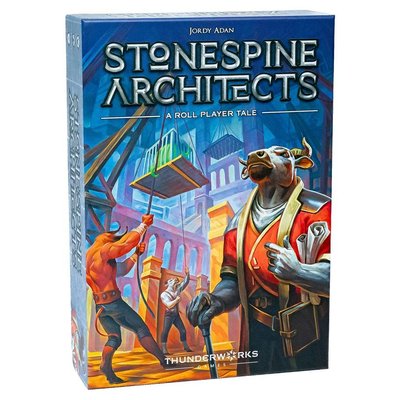
that matchup. It's just a matter of are you getting a really powerful ability from a higher number card that you manage to play slightly lower than opponent's even higher card or um or vice versa. Uh and so there's a lot of head games of what is my opponent going to play? you're thinking about what they're going to play and what you play actually impacts the outcome of each individual duel in the game. I think that's again really clever. It's it uses this Libertalia mechanism in a dueling game in a really clever way and in a way that Libertalia doesn't really do because it in Libertalia you are getting what is on that card. The other thing I like about this is that it's this design space allows you to have a fairly big impact on other players, but you are not, at least in Libertalia, you are not specifically choosing another player to hurt or impact. Rather, your card simply impacts what other the cards that other players chose. So, I think that's a great form of interaction where you're not I'm not targeting another player. I am just I'm playing a high number and it ends up impacting maybe another specific number or cards that are lower than it or cards that are higher than it which happen to be tied to other players but I'm not targeting you. It's ends up just impact impacting other cards. That is so comparative values at number three. At number two we have drafting uh specifically like private drafting things that you're passing around the table. Lots of examples in the space from Stonemire games. We have Between Two Cities, Between Two Castles, we have Stonespine Architects, Let's Go to
Japan, a recent favorite. But, uh, given the number of Ambassadors that chose this game and the number of times that I've played it, I I could not ignore how well Seven Wonders does interaction in a simultaneous game, on the surface, it's a drafting game. So, the cards that you choose are cards that opponents will never see. They will not get those cards because you are not passing them those cards. That is fairly high interaction by itself. But in seven wonders, you also have the military. So the military is impacting other players and that you are comparing your total military strength at certain times of the game to other players. It has trading where you're using resources that opponents have generated. Um I think those are maybe the two main things. Uh but there's there's a lot of design space within those areas. Even in the photo shown here, there are these green cards.
This is an example of a powerful strategy that you can pursue, science, where if you pursue it and everyone else ignores it, you probably will win the game. And so there's a lot of you have to pay attention to what other players are doing, whether it's this strategy or or military um to uh you have to pay attention to what others do and that will impact what you choose to do as well. Um so yeah, that is uh Moon Col. I'm sorry, that's not that's Seven Wonders, not at all. Colony Blood Bath. At uh at number two uh for the category of drafting. And then finally at number one, we have the category of shared miniames, goals, and resources plus a a little dose of a rondelle. So Fromage is the other game in this category where you have a rondelle that you rotate and the mini gamess are actually on that rondelle. And so you are interacting with what things that other players have already put on the miniame in in your in the rondell that's currently facing you but at that moment only you are interacting with that specific miniame. Um planet unknown is my favorite game in this category though it uses a uh a rondelle to uh to let players select tiles. So the current active player chooses which part of the rond which this uh this industrial susan or rondell they want to be facing them.
They get to choose one of the two top tiles from that section of the rondell and then it all all the other players they get to choose simultaneously for the portions of it that are facing them. That's one part of it and that's a big part of it like using a a central uh thing uh device for all players to interact with whether it's mini games or or shared resources whatever it is. Um I think that is really cool. Again a great area for design space. The other part of it in this particular game in Planet Unknown is that there are shared goals. So the play the my two neighbors and I uh I have a goal between me and my right neighbor. I also have a goal between me and my left neighbor and whoever does better at each of those goals gets a bunch of points and the other player doesn't get doesn't get those points. So there is uh interaction between players in that way as well. I think that is another clever really clever mechanism in this game. There's even a third level of interaction in Planet Unknown where it is a bit of a of a race to get certain technology cards that are limited. And so if you race up a certain technology track, you might get those cards before other players have the chance to get them. But the main focus of this category is the idea of shared mini games, goals, or resources combined with this rondelle.
So those are again, I'm sorry I didn't include video visuals for many of the things I talked about today. Um, didn't mean to do that. That's my fault. But, uh, hopefully you still gained some information, some more tools in your toolbox for simultaneous yet interactive games. And I'd love to hear your examples in the comments below, especially for competitive games. but it could be a cooperative example that a competitive game could learn from. Um, yeah, I look forward to hearing your thoughts in the comments below. Thanks.