Top 10 Mechanisms: Card Games
Games in This Video
34 games are featured in this video — they unlock as you watch.
















Transcript
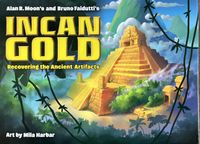
hi I'm admin whales and I've recently been talking about the different variety of board games that are available right now as well as the different types of cupboard dice games and the different mechanisms used in dice games so this is the final in that sort of trio of videos this video we're going to be looking at my top 10 different types of card game mechanisms now this was the hardest list of the three to make board games are diverse but card games really could feature anything and in fact there's many many board games that use cards so do they feature in a list like this or are they board games or other card games what if they use dice as well where do they fit so III admit this is not an exhaustive list by any means but these are games that I consider primarily card games and I've tried to categorize and and and hone the list down to just the sort of fundamental mechanisms involved with a few more than 10 but I'm going to give you my top 10 card game mechanisms today so the first category of card games on my list is going to be push your luck card games now there's not a huge number of these it's not a john Rijn that I think gets used actually all that often but the the the most significant entry into this genre is Alan moons diamant which was then re-released as Incan gold and I think is coming back as diamant again fairly soon now this is a classic game of pulling
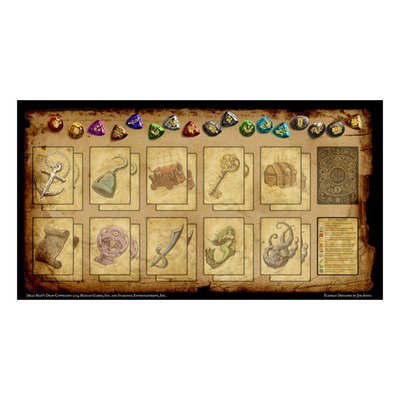
cards from a deck you're turning over a card and then you decide whether you want to continue to turn over more cards and so you push your luck and and and as long as hazards don't come out of that deck then you're okay and you're going to continue to gather treasure now the players are all doing this simultaneously and so you want to be the player that stays in the longest and takes the most treasure by doing that you make yourself vulnerable to the most hazards so you may be better off getting out with a small amount of treasure because pushing your luck and staying in for the maximum amount of treasure means that you might end up going away with nothing of course that's a classic sort of gaming mechanism but it's it's most effectively implemented in this game diamant or in Incan gold but a more recent game which has something similar is this little game dead man's draw now dead man's draw that different cards will have different effects so when you turn them over you will be stealing cards from other players or you'll be taking additional cards you'll be gaining additional benefits from the cards but if you turn over to many matching cards then you end up with nothing so dead man's draw is a really nice neat small implementation again of the genre another good one is poor trial which or portroyal which is a sort of pirate themed game with with an economy running through it as well so you're generating money I don't have a copy of that to show you so these are push your luck
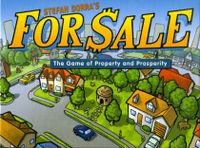
card games when you think of card games you don't necessarily think of economics and economic gaming but actually auction games are are well served by the sort of card game mechanisms and card handling and card play that idea of I lay out some cards and then we auction off who gets to take those cards it's a manner of drafting really a manner of working out who gets which cards is very effectively done in rynek in its ears game modern art which is a bit of a classic which has various different types of auctions and they all work differently now that's quite a heavy game but there is a simpler game which does options very well and that's for sale for sale has two different types of auctions it plays very quickly for three to six players plays whether all those different player counts and really is very sort of adaptable for all different gaming groups is an excellent excellent game and a game that's slightly less well known is free zuma tenten now free zuma tenten has friedman Freese's sort of traditional you know his trademark humor and and that sort of art style it's it's quite sort of frivolous and silly in its in its in its theming and it's by no means a masterpiece but it it feels a bit like a precursor to power in its economics we have factories that are producing and we're getting income from them which we then used to purchase other cards which are going to benefit us in some way it's quite a nasty sort
of edge to it you can attack other players only available in Germany and in German so my copy I've had to paste it up with English translations which was a lot of work but I'm glad that I did it because it is although an oddity and only something that I would play quite rarely it is a bit of a treat card play lends itself quite naturally to the idea of I play a card to attack another player and so there's a whole genre of what we call take that card games or I think the most combative sort of card games this date right back this is back from 1919 was a game I played a lot as a child when I was still interested in wrestling which I'm not talking now but this is still one of my favorite games rasslin is totally silly extremely random but essentially we're playing cards to attack other players and friedemann friese had landlord landlord is a game where we're playing cards and building up buildings with that each card is a floor on a building on the back of the cards we have those sort of building structures but on the front of the cards we have the tenants that we place into the buildings as well as tenants though you could place bombs or or murderers into these buildings or the police can then take away a murderer or you know there's all manner of different card play you can do to attack other players houses and and interact with them this is the older version of landlord there's a newer sort of fancier more colorful version that came out fairly recently and then we have little oddities like beastie bar from Jacques
this is a game where we have a bunch of animals trying to get into a nightclub and when I play an animal they'll push their way through that that cue to get in or they might get kicked out too depending on the different actions of the different animals crazy silly sort of theme again a fairly frivolous sort of game play and nasty in terms of its card flavor quite quick and fun then we have flash duel which is a Serling game very similar to Ryan it's ears on guard this is a game that has a lot of card play in it in terms of calculating numbers and things like this very simple basic central mechanism but what flash duel has is is many many characters with special powers and the card player is all about a battle of sort of advancing attacking retreating and trying to just get that attacking at just the right moment very quick games and it's fun and loads of variety in that box I didn't really know what to call this next genre of games so I'm going to call them follow the number essentially we're talking about games which have a number perhaps a color as well maybe a little bit more information but basically we're playing patterns of numbers trying to follow a sequence or trying to match numbers as suppose your most famous example is uno in terms of more modern games that have a little bit more decision-making than something like you know very popular one is no thanks and you go you couldn't get far wrong with
no thanks another really popular one would be six Nimtz so six nint as has been played a lot over over recent years but there are other lesser-known versions that are equally as good so 23 is a very good game about playing a number following different number sequences same with dict drain' okay so these this game is by nsv who make some some lovely games along these lines harbour vertic is another one by nsv but amigo is a good publisher to look at if you're interested in this sort of game they're great villas generally take 20-30 minutes can be fitted into a gaming evening at the beginning at the end or while you're waiting for other players to join so I think it's well worth players having you know a couple of these games in their bag whenever they go off to gaming things and have certainly having games like this in their collection for filling those those little gaps in between bigger games or perhaps for train journeys and things like that and so I'm calling this category follow the number a few years ago it was the case that Seven Wonders was the sort of figurehead for the cloud drafting games now of course when we talk about card drafting what we really mean is any form of selection where we have a series of cards and we choose them but it's come to mean this pass and playing mechanism where in seven wonders you would have a hand of cards you would select one of those cards and then pass the rest on to your neighbor and this was also utilized in a game called fairytale perhaps even
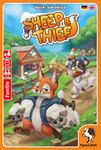
slightly earlier than in seven wonders but now the figurehead for the genre is probably sushi go sushi go has been an enormous hit this is the original Edition has been two more editions since then there's the Americans game right version in the little tin and then a lovely Zook version with some really crazy sort of artwork which is which is very pretty as well other games which have been successful in this genre recently medieval Academy has been a bit of a success there was a Donald x-pac arena game called greed that was quite good divin err perhaps is a slightly less well-known drafting game in this game is a deduction game so as those games cards are passed around obviously you're gaining information about which cards are in the deck in this game players then go on to make predictions about how many of each colored are in the deck and how and their predictions that the effectiveness of those predictions you know the accuracy is what generates you points and another great example of a drafting game that came out last year was sheep and thief so sheep and thief can paint can combines card drafting with sort of tile and mechanisms joining up roads and rivers and placing sheep around a bit like a sort of Carcassonne style gameplay but the tiles are cards which are drafted to you in the same manner as in games like sushi go this list would certainly not be complete without a mention of deck building games so deck
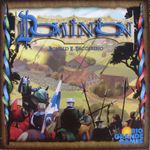
building was created really by the game of Dominion now this is a heavy box because I've got a number of expansions in here it's absolutely rammed full of cards what we're talking about with deck is essentially each play will start with a hand of cards and a small number and they will shuffle those cards up deal some out to themselves so they've got their own individual deck they'll then use the cards that they dealt themselves to purchase other cards so the amount of money that they they've dealt out to themselves will rather buy other cars which they then add into their deck the discard pile keeps getting shuffled in so the deck gets bigger and bigger throughout the game and the cards that they buy will give them all sorts of special abilities ultimately allowing them to spend quite a lot of money in a single turn to buy some really good cards that are going to win them the game so Dominion was the first of these games but it was quickly followed by games that tried to put a bit more theme into it sometimes successfully sometimes less so one of the first was Thunderstone this is a later version of thunder stone thunder stone numenera and but this put a fantasy theme onto it so instead of just buying cards that loosely represented property here with fighting monsters and we're using those cards to build weapons and and little armies basically that we send out to fight ins monsters in this dungeon it works fairly well it makes the game a lot longer and clogs it up a lot and there's something delightful about the simplicity of a game like Dominion which you can teach to people really easily and play very very quickly and then people start doing all sorts of weird
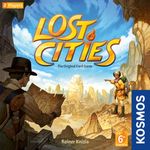
and wonderful things with deck building and friedemann friese game copycat which tried to combine deck building with Agricola and a little bit of through the ages put in there a little bit of Puerto Rico really an oddity but but a neat use of the deck building mechanism paper back so paper back is a word building so let's Scrabble but but with deck building so the cards are your letters and you deal out a certain number of letters you then spell a word and the quality of that word gives you the the income that allows you to buy better letters to put into your deck so your deck gets better more and more letters in it more useful letters different special abilities so paperback is a neat sort of in that genre but they've been all manner of debt building games over the last few years a little bit of a craze about deck-building slowing down slightly now maybe but it but it's a major genre in its own right all sparked off by that one game Dominion many many of the games on this list feature a former set collection whereby we're taking cards and we're putting them together like colors and numbers go together matching colors and numbers and that that features in many of these games certainly in games like sushi go and seven wonders and other games that we've already mentioned but some games make a feature of the simplicity of that and that's the next genre of games that I'm going to be showing you so we're talking about games like lost cities
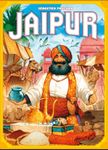
reineck glitzy is classic and for two players Jaipur also a good two-player game about sex and beautiful cards a lot of these games actually tend to be very good for two players set collection games that's certainly true of games like yacht-master yardmaster is an interesting case because it had this press Starck sort of graphic that was that was lovely and effective but it was replaced by a newer addition in some countries which is called our meanie circus so you can see here that the artwork in yardmaster is very stark really nice neat graphic design it's very effective but if we look at our Remini circus we've got a very childlike sort of art style which is probably more insuiting to the simplicity of the game in addition to those games we've also got games like Biblio s-- this is a slightly sort of the slightly more to this one but again it's basically set collection and we set the values of the different of the different sets by changing values on certain dice it's got this lovely sort of box which is in the shape of a book a particularly nice sort of feature because the theme is all about having a sort of library in the Middle Ages Kodama the tree spirits in this game we're laying out cards to build a tree and when we went when we placed branches onto this tree the symbols on those branches if they match their symbols
going down the branches onto the trunk we're going to gain more points so it's a form of set collection again house Dibakar is a slightly lesser known game a German game from amigo amigo make a ton of these small box card games a lot of them about set collection and this is a particularly cute example with some lovely sort of artwork you know based on sort of hamsters and the different things that they're eating but essentially it's another set collection game tableau building is a significant feature in many card games in fact it would be included in games like seven Wonders which we've mentioned previously and often it has a pacing that's similar to deck building games you classic tableau builder would be something like San Juan in San Juan you're using cards to buy other cards and you but in this game I'm like in a deck build you're actually discarding the cards that you use to purchase things but then the cards that you buy get laid out in front of you and they give you special abilities this is where it starts to pace like a deck builder because throughout the game your your your cards get better and your abilities get better and suddenly you're building an engine and you're generating more on your turn this is seen extremely effectively in the game San Petersburg this is the original edition of some Petersburg with this very unusual art style
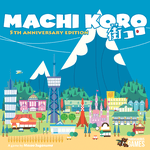
it's this is a fantastic card game it has got a board in it but the board is kind of irrelevant what we're doing is buying cards laying them out in front of us and they're going to keep generating us money all points throughout the game and in each term we're going to get better and better because of those abilities that are in front of us there is a newer version of some Petersburg which is this version which has got perhaps more generic style of artwork this has got added expansions and different options in it which work very well although I do like the charm of the original and then we have more modern game at this now this looks like it should be some sort of American thematic fantasy fighting game it's not at all it's a simple game of card play auctions but eventually building up cards in front of you with different abilities that mean that your terms just get better and better throughout the game same with the game like machi Koro this one's very simple very light and very similar to a deck builder in its feel this one because you've always got a series of decks of cards available on the table and you can choose which ones you buy and then you add them to your tableau and they're going to generate you income throughout the game so matchy Kuro is another good example of a tableau building card game now we really are on to one of my favorite genres so that is speed games now you these usually have a deck of cards you turn over a card and then you have to do something very quickly either deduce some sort of puzzle work out what you're supposed to say work out what you're supposed to grab and do it quicker than
all the other players I love these games anybody can play these games and not everybody can play them well with practice you get better at them but that doesn't mean that those skills have been a transfer to other games in the same genre so we're talking about games like ghost blitz probably the the best in the genre really ghost blitz is a fantastic game similar game same designer actually shaky Mickey again from Jacques some experiment but there's games like pick a dog tarantula tango a whole manner of these different games that that you have that speed and that element to them generally the games tend to be cheap portable play them with all different ages all different sizes of groups players so they're extremely versatile and again great fillers to put in between bigger games so I love speed games I think it's a fantastic category of card games and often overlooked now this really is one of my favorite genres of games so we're talking about trick-taking games now and the closely related genre climbing games now trick-taking games very very straightforward in their basic format I'll show you how that works I'm going to use a stick Elm deck in order to show you how a trick-taking game works now this doesn't particularly relate to stick L itself but this is how at the basis of all trick-taking games so essentially each player will have a hand of cards with numbers in different suits so different colors and the player will choose to play one of them so for
example he might choose to play the seven of purple the next player then looks at their own hand of cards and they also must play purple they've got to follow suit and they want to beat a seven so this player might for example choose to play a ten and so that the second player is now winning the third player then looks at their hand of cards now they don't have any Purple's so they can't follow suit and normally they would have to but because they don't have any they could play any color however they're going to lose as a result because you have to play the highest number in the lead suit so this player might choose to throw away here's one of green for example which means that the player played 210 wins the trick they take the cards to market and they put it in a pile alongside them that player then takes the next turn so the player who won that suit then has a look at their hand and they might choose to play for example and the two of blue they put to a flew down the player who's next in line says right he's going to try and beat it with a three of blue and then we come around to the final playing looks at their hand now they don't have any blues so they're going to have to play something else now in most trick-taking games in each round there will be a trump color so let's say for example that in this round gray was the Trump color and that means that although this player can't play any blue he can now play a Raye because he can play any color he likes and gray as the Trump so by playing his 13 of gray now he wins the
trick even though he hasn't played the highest in the net suit and he would take these cars trick-taking games are by their very nature random because you have a handful of cards that are dealt out to you and they may be good cards there may be bad cards and the way that a lot of games deal with this is by allowing you to make predictions so you make predictions about how many tricks you're going to win or how many tricks and the other players going to win or perhaps predicting it you're not going to win any at all so so often is an element of reading your hand and making predictions and then the accuracy of your predictions is what scores you points I actually have my first published game is coming out later this year and that is a trick-taking game called ruffling feathers and which works around this idea of predictions reading your hands reading the other player's hands and making judgments based on that so that'll be coming out of Essen in 2016 by Brain Gain it's surprising to think that that basic mechanism can be turned into all these different games and they all tweak it slightly in different ways so we have games like primal Plowman which has become a little bit more like an auction set collection things still with an element to trick-taking in it and pala pala allows you to take different color cards and combine them to make new colors so you can't make a blue and red together to make purple and things like that so we can mix up the suits as if they were colors on a paint palette potato man just changes the fact that you don't follow suit in fact you're not allowed
to follow suit so they all make slightly different changes some of them even for example stick meister it has all manner of different trick-taking games within the same box so this one every round the rules will be different something similar happens in Miette to a slightly lesser extent we have on the cards on the cards again different rule sets that every difference of round of the game in Chronicle we have different player powers on the different cards so it's of different cards have different abilities all in the matter of different things happen interests taking games so there we have my top ten card game mechanisms you'll notice that I've missed out some fairly significant genres in here largely because they don't suit my tastes I suppose most specifically I haven't taught about collectible card games like magic the gathering or yugioh and no they're extremely popular I've never really got into that whole collectible scene and likewise I haven't really got into the living card games the ones where you have to kind of you buy a box of of cards which is just starting pack and then they regularly release expansions like every every month or every couple of months and you have to keep up with those in order to stay competitive albeit they don't have the randomness of the sort of booster packs you get in those collectible card games I've never really got into any of that collectible stuff and I think you get a similar feel by playing games like deck building games and stuff like that I'm not pretending it's the same thing at all but for me it's enough of us sort of toe in those waters and to keep me satisfied without churning out a load of money and
and also those games tend to involve a lifestyle of playing the same game over and over and over again in order to stay competitive and then there's tournament play and those sort of things so I haven't touched on those games but hopefully I've given you a broad picture of the world of card games aside from those things of course we haven't mentioned every type I've just spotted on the side here got a little dexterity game that's a card game super rhino you know where we're stacking cards up you can all sorts of weird things with cards anyway thank you very much for watching and all the best